
 EN
EN


Common After-Sales Issues in NasalStrip Products
The growing popularity of nasal strips has led to increased consumer awareness about breathing enhancement solutions and sleep improvement products. However, with widespread adoption comes a variety of after-sales concerns that manufacturers and retailers must address effectively. Understanding these common issues helps both consumers make informed purchasing decisions and companies improve their product offerings and customer service protocols.
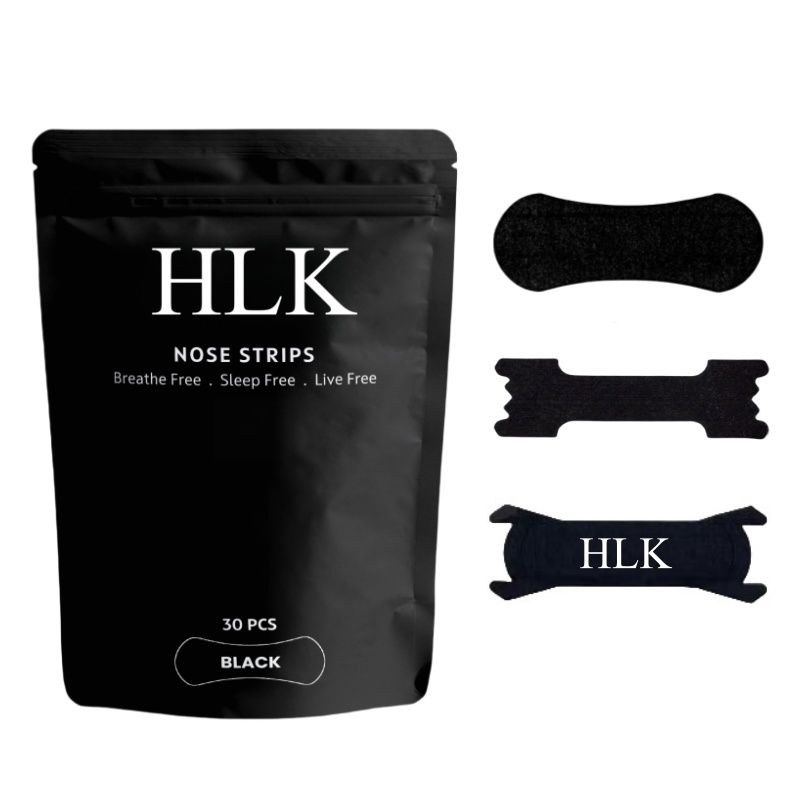
The after-sales experience significantly impacts customer satisfaction and brand loyalty in the competitive breathing aid market. Most complaints regarding nasal strips stem from product performance, application difficulties, skin reactions, and durability concerns. These issues often arise from improper usage, individual physiological differences, or product quality variations that become apparent only after extended use.
Product Performance and Effectiveness Concerns
Inconsistent Breathing Improvement Results
One of the most frequently reported after-sales issues involves customers experiencing inconsistent results with their nasal strips. Many users expect immediate and dramatic improvements in breathing, but individual responses vary significantly based on nasal anatomy, congestion severity, and underlying medical conditions. Some customers report that nasal strips work well initially but become less effective over time, leading to disappointment and return requests.
The effectiveness of nasal strips can be influenced by factors such as nostril shape, skin oiliness, and the presence of nasal hair. Customers with wider nostrils may find standard-sized strips inadequate, while those with sensitive skin might experience reduced adhesion due to natural oils. These variations create challenges for manufacturers in providing universal solutions that satisfy all user types.
Duration and Longevity Issues
Another common complaint centers around the duration of effectiveness during single-use applications. Many customers expect nasal strips to maintain their lifting power throughout an entire night's sleep, but factors like movement, sweating, and skin moisture can reduce adhesive strength. This leads to strips falling off prematurely or losing their structural integrity before the intended wear period ends.
Quality control variations can also result in batches of nasal strips that have weaker spring mechanisms or inferior adhesive properties. Customers who receive such products often contact customer service seeking replacements or refunds, creating additional costs for manufacturers and potentially damaging brand reputation if not handled promptly and professionally.
Application and Usage Difficulties
Proper Placement and Sizing Challenges
Many after-sales issues stem from incorrect application techniques that customers discover only after purchasing and attempting to use nasal strips for several nights. Proper placement requires positioning the strip across the widest part of the nostrils while ensuring adequate adhesion to clean, dry skin. However, many users struggle with finding the optimal position, leading to reduced effectiveness and frustration.
Size selection presents another challenge, as many brands offer limited size options that may not accommodate the full range of nasal anatomies. Customers often purchase standard sizes only to discover they need larger or smaller variants for optimal performance. This sizing issue becomes particularly problematic for online purchases where customers cannot physically test the product before buying.
Instructions and Educational Materials
Inadequate or unclear instructions contribute significantly to after-sales complaints about nasal strips. Many manufacturers provide minimal guidance on proper application, removal techniques, and usage frequency recommendations. Customers who receive insufficient information may apply strips incorrectly, remove them improperly, or use them more frequently than recommended, leading to skin irritation and product dissatisfaction.
The lack of comprehensive educational materials also means customers may not understand the limitations of nasal strips or have unrealistic expectations about their capabilities. This knowledge gap often results in complaints when products fail to address issues they were never designed to solve, such as severe sleep apnea or chronic sinusitis.
Skin Reactions and Comfort Issues
Adhesive-Related Skin Problems
Skin reactions represent a significant category of after-sales complaints for nasal strips, particularly among users with sensitive skin or allergies to adhesive materials. Common reactions include redness, itching, rash formation, and in severe cases, contact dermatitis. These reactions can occur immediately after application or develop gradually with repeated use, making it difficult for customers to identify the cause initially.
The adhesive strength required to keep nasal strips in place during sleep often necessitates materials that can irritate sensitive skin. Manufacturers face the challenge of balancing adhesion effectiveness with skin-friendly formulations. When customers experience skin reactions, they typically seek refunds and may leave negative reviews that impact future sales and brand perception.
Removal Pain and Skin Damage
Improper removal techniques can cause significant discomfort and even minor skin damage, leading to customer complaints and concerns about product safety. Many users attempt to remove nasal strips quickly or when the adhesive is at full strength, resulting in pain and potential skin irritation. The pulling sensation can be particularly uncomfortable for individuals with sensitive skin or those who have facial hair in the application area.
Some customers report experiencing red marks or temporary indentations after removing nasal strips, especially when worn for extended periods. While these effects are typically temporary, they can cause alarm and lead to customer service inquiries about potential long-term skin damage. Manufacturers must provide clear removal instructions and warnings about proper technique to minimize these issues.
Quality Control and Manufacturing Defects
Adhesive Failure and Structural Problems
Quality control issues in nasal strips manufacturing can result in products with inadequate adhesive coverage, uneven application, or weak spring mechanisms. Customers who receive defective products often experience immediate failure upon application or find that strips lose their shape and effectiveness within minutes of use. These defects create immediate after-sales issues requiring replacement or refund processing.
Structural problems can include strips that tear easily during application, adhesive that leaves residue on skin, or plastic components that break under normal handling. Such defects not only create customer dissatisfaction but can also raise safety concerns if sharp edges or chemical residues are involved. Manufacturers must implement robust quality control measures to minimize these occurrences and have clear protocols for handling defect-related complaints.
Packaging and Storage Issues
Environmental factors during shipping and storage can affect the quality of nasal strips, leading to customer complaints about products that appear damaged or ineffective upon arrival. Exposure to extreme temperatures, humidity, or pressure can compromise adhesive properties or cause structural damage to the strips before they reach consumers.
Packaging design plays a crucial role in maintaining product integrity, but inadequate protection can result in crushed strips, contaminated adhesives, or moisture exposure that renders products unusable. Customers who receive damaged products due to packaging failures require immediate replacement, creating additional costs and logistics challenges for manufacturers and retailers.
Customer Service and Return Policy Challenges
Communication and Response Time Issues
Effective customer service becomes crucial when dealing with after-sales issues related to nasal strips, as customers often have immediate concerns about skin reactions or product safety. Long response times to customer inquiries can escalate minor issues into major complaints, particularly when customers experience adverse reactions and seek immediate guidance or reassurance about product safety.
Language barriers and technical knowledge gaps among customer service representatives can further complicate issue resolution. When customers call with specific questions about nasal strips effectiveness or application techniques, representatives need adequate training to provide helpful guidance and appropriate solutions. Inadequate support often leads to customer frustration and negative reviews that impact brand reputation.
Return and Refund Processing
Processing returns for nasal strips presents unique challenges due to hygiene concerns and partial product usage. Unlike many consumer products, nasal strips are single-use items that come into contact with skin, making it difficult to accept returns once packages are opened. This creates policy dilemmas for retailers who must balance customer satisfaction with health and safety considerations.
Refund policies for nasal strips must account for legitimate complaints while preventing abuse from customers who simply want to try products without purchase commitment. Clear policies regarding acceptable reasons for returns, time limits, and refund procedures help manage customer expectations and reduce disputes. However, overly restrictive policies can damage customer relationships and brand loyalty.
Prevention and Solution Strategies
Improved Product Education and Instructions
Comprehensive educational materials can significantly reduce after-sales issues by helping customers understand proper usage techniques and realistic expectations for nasal strips performance. Detailed instruction sheets, video demonstrations, and online tutorials can address common application mistakes and provide guidance on optimal positioning and removal techniques.
Manufacturers should also provide clear information about who should and should not use nasal strips, including warnings for individuals with certain skin conditions or allergies. Transparent communication about product limitations helps set appropriate expectations and reduces complaints from customers who attempt to use nasal strips for conditions they cannot effectively address.
Enhanced Quality Control and Testing
Implementing rigorous quality control measures throughout the manufacturing process can prevent many after-sales issues related to defective products. Regular testing of adhesive strength, structural integrity, and skin compatibility helps identify potential problems before products reach consumers. Batch testing and tracking systems enable quick identification and recall of problematic products when issues arise.
Continuous improvement based on customer feedback allows manufacturers to refine their nasal strips formulations and address recurring issues. Collecting and analyzing complaint data helps identify patterns that may indicate manufacturing problems or design flaws requiring attention. This proactive approach can reduce future after-sales issues and improve overall customer satisfaction.
FAQ
What should customers do if nasal strips cause skin irritation
If customers experience skin irritation from nasal strips, they should immediately discontinue use and gently clean the affected area with mild soap and water. Most reactions are temporary and resolve within 24-48 hours. For persistent or severe reactions, customers should consult a healthcare provider and contact the manufacturer to report the issue. Many companies offer hypoallergenic alternatives or refunds for customers who experience adverse reactions.
How can customers ensure they are applying nasal strips correctly
Proper application of nasal strips requires clean, dry skin and correct positioning across the widest part of the nostrils. Customers should wash and thoroughly dry their nose before application, remove the strip carefully from its backing, and press firmly for several seconds to ensure adhesion. The strip should feel comfortable and provide gentle lifting sensation without causing pain or excessive tension.
What factors affect the effectiveness of nasal strips during use
Several factors can influence nasal strips effectiveness, including individual nasal anatomy, skin oiliness, sleeping position, and environmental conditions like humidity. Customers with very oily skin may need to use additional cleansing before application, while those who move frequently during sleep might experience reduced adhesion. Understanding these factors helps customers optimize their experience and set realistic expectations for product performance.
How should customers properly remove nasal strips to avoid discomfort
Proper removal technique involves gently loosening the edges of nasal strips first, then slowly peeling them away from the skin while holding the surrounding area taut. Customers should never pull strips off quickly or forcefully, as this can cause pain and skin irritation. Applying a small amount of oil or using a warm, damp cloth can help soften the adhesive for easier removal, particularly for individuals with sensitive skin.
One-Stop Custom Tape & Patch Supplier, Fully Certified & Safety Guaranteed
Name: Vicky Zhou
Call/Text: +86 198 0595 7675
Email: [email protected]
Website:https://www.hlktape.com
YouTube:https://www.youtube.com/@HLKTape