
 EN
EN


Storage Requirements for Aroma NasalStrips
Proper storage of aroma nasal strips is crucial for maintaining their effectiveness, adhesive properties, and therapeutic benefits. These innovative respiratory aids combine the mechanical advantages of nasal dilation with the therapeutic properties of essential oils, requiring specific environmental conditions to preserve their dual functionality. Understanding the correct storage requirements ensures that users can maximize the lifespan and performance of their aroma nasal strips while maintaining optimal hygiene standards.
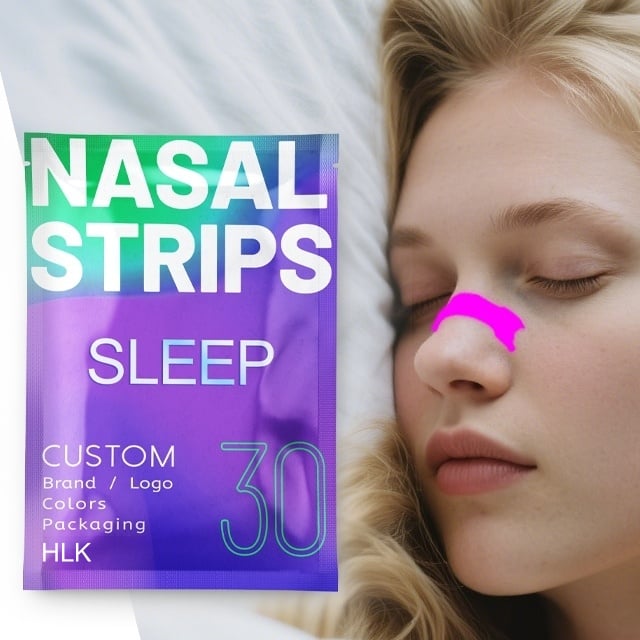
The storage environment significantly impacts the structural integrity of these specialized medical devices. Temperature fluctuations, humidity levels, and exposure to light can all compromise the adhesive backing and degrade the essential oil components that provide the aromatic benefits. Professional healthcare facilities and individual users must implement standardized storage protocols to ensure consistent product performance and patient safety.
Temperature Control Requirements
Optimal Temperature Range
Aroma nasal strips require storage within a temperature range of 59°F to 77°F (15°C to 25°C) for optimal preservation. This controlled environment prevents the adhesive from becoming too rigid in cold conditions or excessively tacky in warm temperatures. The essential oils embedded in the strips maintain their therapeutic properties when kept within this moderate temperature spectrum.
Temperature stability is particularly important for commercial storage facilities and medical practices that stock large quantities of these products. Sudden temperature changes can cause the backing material to expand or contract, potentially compromising the seal of individual packaging. Healthcare providers should monitor storage areas with digital thermometers to ensure consistent conditions throughout the day and seasonal changes.
Impact of Temperature Extremes
Exposure to temperatures below 50°F can cause the adhesive on aroma nasal strips to lose flexibility, making application difficult and potentially uncomfortable for users. The cold can also cause essential oils to crystallize or separate, reducing their aromatic effectiveness. Conversely, temperatures exceeding 86°F may cause the adhesive to become overly aggressive, making removal painful or leaving residue on the skin.
Long-term exposure to extreme temperatures can permanently alter the chemical composition of the aromatic compounds. This degradation not only reduces the therapeutic benefits but may also create unpleasant odors or skin irritation. Storage areas should be equipped with climate control systems to maintain consistent temperatures regardless of external weather conditions.
Humidity Management
Relative Humidity Guidelines
The ideal relative humidity range for storing aroma nasal strips falls between 30% and 60%. This moisture level prevents the adhesive from drying out while avoiding excessive humidity that could compromise the packaging integrity. Proper humidity control is essential for maintaining the balance between adhesion strength and comfortable removal.
High humidity environments can cause moisture to penetrate sealed packaging, leading to premature activation of the adhesive or degradation of the paper backing. This moisture intrusion can also promote bacterial or fungal growth, creating health risks for users. Storage facilities should utilize dehumidifiers or moisture-absorbing materials to maintain appropriate humidity levels.
Moisture Protection Strategies
Individual aroma nasal strips should remain in their original sealed packaging until use to protect against moisture exposure. For bulk storage, desiccant packets can be placed within storage containers to absorb excess moisture. These silica gel packets help maintain consistent humidity levels and protect against seasonal moisture variations.
Storage areas should be well-ventilated to prevent moisture accumulation while avoiding direct air currents that might cause rapid humidity fluctuations. Concrete floors in storage facilities should be sealed to prevent moisture wicking from the ground, and proper drainage systems should be in place to handle any potential water intrusion.
Light Protection and UV Exposure
Ultraviolet Radiation Effects
Direct exposure to ultraviolet light can significantly degrade the essential oils in aroma nasal strips, reducing their therapeutic effectiveness and potentially creating harmful breakdown products. UV radiation can also cause the adhesive backing to become brittle or discolored, affecting both performance and aesthetic appeal. Storage areas should be designed to minimize light exposure through appropriate window treatments or interior locations.
Even artificial lighting can contribute to product degradation over extended periods. Fluorescent lights, in particular, emit small amounts of UV radiation that can accumulate over time. Storage facilities should consider using LED lighting systems that produce minimal UV emissions and generate less heat than traditional fluorescent fixtures.
Protective Packaging Considerations
The original packaging of aroma nasal strips typically includes light-blocking materials to protect against photodegradation. These packages should never be opened until the product is ready for use, as exposure to ambient light begins the degradation process immediately. For facilities that repackage products, opaque containers or amber-colored storage materials should be used.
Storage areas should be designed with minimal windows or utilize UV-filtering glass to reduce light exposure. When artificial lighting is necessary, motion-activated systems can minimize the total light exposure time while still providing adequate visibility for inventory management and retrieval operations.
Air Quality and Contamination Prevention
Airborne Contaminant Control
Storage environments for aroma nasal strips must maintain clean air quality to prevent contamination of these medical devices. Dust, pollen, and other airborne particles can adhere to exposed surfaces and compromise product sterility. Air filtration systems with HEPA filters should be installed in storage areas to maintain appropriate cleanliness levels.
Chemical vapors from cleaning products, paints, or other storage materials can be absorbed by the essential oils in aroma nasal strips, altering their intended therapeutic properties. Storage areas should be dedicated specifically to medical devices and separated from areas where chemicals or strong-smelling materials are used or stored.
Ventilation Requirements
Proper ventilation is essential for maintaining air quality while preventing the buildup of volatile organic compounds that might interact with the aromatic components of nasal strips. Ventilation systems should provide regular air exchanges without creating excessive air movement that could disturb packaging or create temperature fluctuations.
Storage areas should be equipped with air quality monitoring systems to detect any chemical contamination or excessive particulate levels. Regular maintenance of ventilation systems, including filter replacement and ductwork cleaning, ensures continued protection of stored products.
Inventory Management and Rotation
First-In-First-Out Protocol
Implementing a first-in-first-out (FIFO) inventory system ensures that aroma nasal strips are used before their optimal storage period expires. This rotation system prevents products from remaining in storage beyond their recommended timeframes and helps maintain consistent quality for end users. Clear labeling with receipt dates and expiration information facilitates proper rotation.
Storage systems should be organized to make older inventory easily accessible while protecting newer stock from unnecessary handling. Shelving systems with angled surfaces or gravity-fed dispensers can help ensure natural rotation without requiring manual intervention for each transaction.
Expiration Date Monitoring
Regular inspection of stored aroma nasal strips for expiration dates prevents the distribution of potentially degraded products. Even when stored under optimal conditions, these medical devices have finite shelf lives due to the natural degradation of essential oils and adhesive materials. Automated inventory systems can provide alerts when products approach their expiration dates.
Visual inspection should accompany date checking to identify any signs of packaging damage, adhesive failure, or aromatic changes that might indicate premature degradation. Products showing any signs of deterioration should be removed from inventory regardless of their printed expiration dates.
Packaging Integrity Maintenance
Seal Inspection Procedures
The integrity of individual packaging seals is critical for maintaining the sterility and effectiveness of aroma nasal strips. Regular inspection of stored products should include examination of package seals for any signs of damage, tampering, or failure. Compromised packaging can lead to contamination or premature degradation of the enclosed products.
Training staff to recognize signs of packaging failure, such as edge lifting, discoloration, or unusual odors, helps maintain quality control throughout the storage period. Any packages showing signs of compromise should be immediately removed from inventory and properly disposed of according to medical waste protocols.
Handling and Transport Considerations
Proper handling techniques during storage and retrieval operations help maintain package integrity. Staff should be trained to handle packages gently, avoiding excessive pressure or bending that could damage seals or adhesive backing. Storage containers and shelving should be designed to support products without applying pressure to individual packages.
When transporting aroma nasal strips from storage to dispensing areas, protective containers should be used to prevent package damage. Temperature-controlled transport may be necessary for products moving between different climate zones or during extreme weather conditions.
FAQ
How long can aroma nasal strips be stored under optimal conditions
Under proper storage conditions with controlled temperature, humidity, and light exposure, aroma nasal strips typically maintain their effectiveness for 18 to 24 months from the manufacturing date. However, the essential oil components may begin to lose potency after 12 months, even under ideal conditions. Always check the manufacturer's expiration date and follow their specific storage recommendations for maximum shelf life.
What happens if aroma nasal strips are stored in high humidity environments
High humidity can cause moisture to penetrate the packaging of aroma nasal strips, leading to adhesive failure, bacterial growth, and degradation of the paper backing material. The essential oils may also become diluted or develop off-odors. Products exposed to excessive humidity should be discarded as they may not provide proper adhesion and could pose health risks due to contamination.
Can aroma nasal strips be stored in bathroom medicine cabinets
Bathroom storage is not recommended for aroma nasal strips due to high humidity levels and temperature fluctuations from hot showers and baths. These conditions can rapidly degrade both the adhesive properties and essential oil effectiveness. Instead, store these products in a cool, dry location such as a bedroom drawer or dedicated medicine storage area with stable environmental conditions.
Is it safe to use aroma nasal strips that have been stored improperly
Using improperly stored aroma nasal strips can result in reduced effectiveness, skin irritation, or potential health risks from contamination. Products that have been exposed to extreme temperatures, high humidity, or contaminated environments should not be used. If you suspect storage conditions have been compromised, it is safer to discard the products and purchase fresh ones to ensure both safety and therapeutic effectiveness.
One-Stop Custom Tape & Patch Supplier, Fully Certified & Safety Guaranteed
Name: Vicky Zhou
Call/Text: +86 198 0595 7675
Email: [email protected]
Website:https://www.hlktape.com
YouTube:https://www.youtube.com/@HLKTape