
 EN
EN


Preventing Deformation and Adhesive Failure During Shipping
In today's global marketplace, ensuring product integrity during transportation has become a critical challenge for manufacturers and logistics professionals. The process of preventing deformation and adhesive failure during shipping requires comprehensive planning, proper materials selection, and strategic packaging solutions. Companies worldwide face significant financial losses when products arrive damaged, making it essential to implement robust protection strategies that maintain structural integrity and adhesive performance throughout the supply chain.
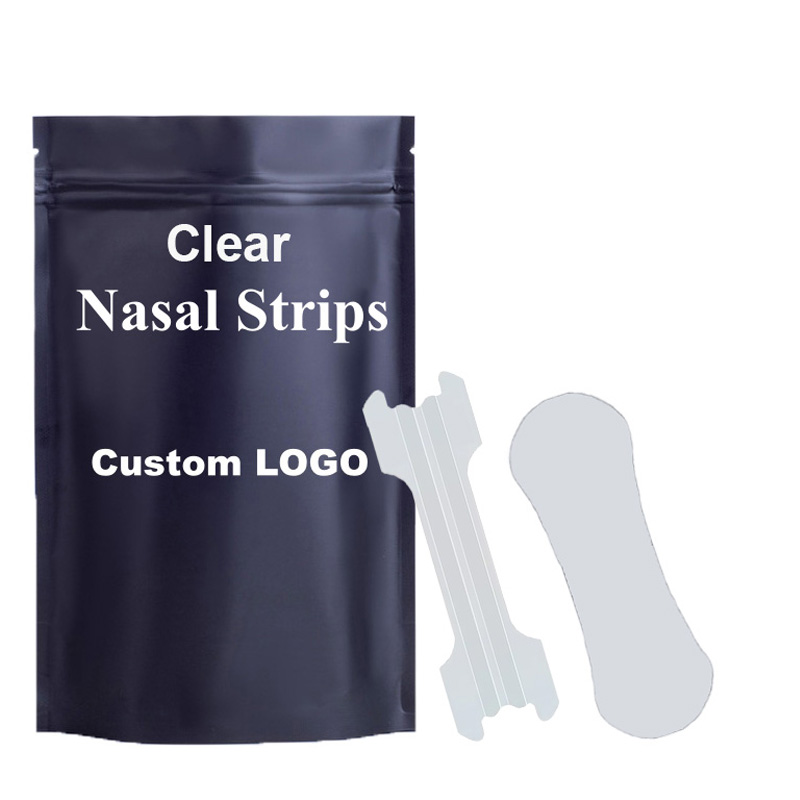
The shipping environment presents numerous challenges that can compromise product quality, from temperature fluctuations and humidity changes to mechanical stresses and vibration. Understanding these factors is crucial for developing effective protection strategies that safeguard both structural components and adhesive bonds. Modern shipping solutions must address multiple variables simultaneously, ensuring that products maintain their intended performance characteristics from manufacturing facility to end user.
Understanding Shipping-Related Deformation Risks
Mechanical Stress Factors
Mechanical stresses during transportation represent one of the primary causes of product deformation. These forces can manifest in various forms, including compression, tension, shear, and impact loads that exceed the material's elastic limits. The cumulative effect of repeated loading cycles during handling, stacking, and vehicle movement can gradually weaken structural integrity, leading to permanent deformation that compromises product functionality.
Preventing deformation and adhesive failure during shipping requires careful analysis of expected stress patterns throughout the logistics chain. Different transportation modes impose unique stress profiles, with air freight typically involving rapid pressure changes, while ground transportation subjects products to continuous vibration and occasional shock loads. Understanding these distinct stress environments enables engineers to design appropriate protection strategies.
Environmental Temperature Effects
Temperature variations during shipping can significantly impact material properties and dimensional stability. Extreme temperatures can cause thermal expansion or contraction, leading to internal stresses that may result in warping, cracking, or other forms of deformation. Materials with different thermal expansion coefficients within the same product assembly are particularly vulnerable to temperature-induced stress concentrations.
The challenge of preventing deformation and adhesive failure during shipping becomes more complex when considering seasonal variations and geographic temperature differences. Products may experience temperature swings of 50 degrees Celsius or more during transcontinental shipping, requiring protective strategies that accommodate these extreme conditions while maintaining structural integrity.
Adhesive Performance Challenges in Transit
Humidity and Moisture Effects
Adhesive bonds are particularly susceptible to environmental conditions during shipping, with humidity and moisture being primary factors affecting performance. High humidity can cause some adhesives to soften or lose bond strength, while extremely dry conditions may make certain formulations brittle and prone to failure. The cyclical nature of humidity changes during extended shipping periods can create fatigue conditions that gradually weaken adhesive joints.
Moisture ingress represents a critical threat to adhesive integrity, particularly for products with inadequate sealing or protective barriers. Water can interfere with adhesive chemistry, cause swelling of substrate materials, and create conditions for corrosion that further compromises bond strength. Effective strategies for preventing deformation and adhesive failure during shipping must include comprehensive moisture protection measures.
Chemical Compatibility Considerations
The shipping environment may expose adhesive bonds to various chemicals that can affect performance, including cleaning agents, fuel vapors, and atmospheric pollutants. Some adhesives may experience degradation when exposed to specific chemicals, leading to bond failure or reduced service life. Understanding potential chemical exposure risks is essential for selecting appropriate adhesive systems and protective measures.
Preventing deformation and adhesive failure during shipping requires careful consideration of adhesive compatibility with packaging materials, protective coatings, and other substances that may come into contact with the product. Cross-contamination between different chemical systems can sometimes result in unexpected reactions that compromise adhesive performance, making material selection and isolation strategies critically important.
Strategic Packaging Solutions
Cushioning and Support Systems
Effective cushioning systems form the foundation of any comprehensive protection strategy, distributing forces and minimizing stress concentrations that could lead to deformation. Modern cushioning materials range from traditional foam products to advanced engineered systems that provide graduated protection based on impact severity. The selection of appropriate cushioning depends on product weight, fragility, and expected shipping conditions.
Custom-designed support structures can provide targeted protection for critical areas while maintaining cost-effectiveness for large-volume shipments. These systems often incorporate multiple material types, combining rigid supports with flexible cushioning elements to create optimal protection profiles. When properly implemented, such systems significantly improve success rates in preventing deformation and adhesive failure during shipping.
Container Design and Reinforcement
The shipping container itself plays a crucial role in product protection, serving as the primary barrier against external forces and environmental conditions. Container design must consider both structural requirements and environmental sealing capabilities, ensuring adequate protection without excessive weight or cost. Reinforcement strategies may include internal bracing, external protection, and specialized mounting systems.
Advanced container designs incorporate features such as shock absorption, climate control, and real-time monitoring capabilities that provide enhanced protection for sensitive products. These systems enable proactive management of shipping conditions, allowing for intervention when parameters exceed acceptable limits. Such technologies represent valuable tools for preventing deformation and adhesive failure during shipping of high-value or critical products.
Quality Control and Monitoring
Pre-Shipment Testing Protocols
Comprehensive testing before shipment helps identify potential vulnerabilities and validate protection strategies under controlled conditions. Simulation testing can replicate expected shipping stresses, temperature cycles, and humidity variations to evaluate product resilience and packaging effectiveness. These tests provide valuable data for optimizing protection strategies and identifying areas requiring additional attention.
Standardized testing protocols ensure consistent evaluation across different products and shipping scenarios, enabling systematic improvement of protection strategies. Regular testing programs help maintain quality standards while providing feedback for continuous improvement initiatives. The investment in pre-shipment testing typically pays substantial dividends through reduced damage rates and improved customer satisfaction.
Real-Time Monitoring Technologies
Modern monitoring technologies enable real-time tracking of critical parameters during shipping, providing immediate alerts when conditions exceed acceptable limits. These systems can monitor temperature, humidity, shock levels, and other factors that influence the success of preventing deformation and adhesive failure during shipping. Data collected from monitoring systems provides valuable insights for improving future shipments and identifying problem areas in the logistics chain.
Advanced monitoring systems integrate with logistics management platforms, enabling proactive response to adverse conditions and automated documentation of shipping conditions. This capability proves particularly valuable for products with strict quality requirements or when shipping to challenging environments. The data generated by these systems supports continuous improvement initiatives and helps build confidence in shipping processes.
Material Selection and Engineering
Adhesive System Optimization
Selecting appropriate adhesive systems requires careful consideration of expected shipping conditions and performance requirements. High-performance adhesives designed for demanding environments typically offer superior resistance to temperature variations, humidity changes, and mechanical stresses. These formulations may incorporate specialized additives that enhance environmental resistance while maintaining bond strength under adverse conditions.
The development of shipping-specific adhesive formulations represents an emerging trend in materials engineering, with manufacturers creating products specifically designed for transportation challenges. These specialized systems often feature enhanced flexibility, improved temperature stability, and superior aging characteristics that support long-term performance in demanding shipping environments.
Substrate Preparation and Treatment
Proper substrate preparation significantly influences adhesive performance and long-term reliability during shipping. Surface treatments may include cleaning, abrading, priming, or chemical modification to enhance bond strength and environmental resistance. The investment in proper preparation typically results in substantial improvements in adhesive performance and reduced failure rates.
Advanced surface treatments can provide additional protection against environmental factors while improving adhesive compatibility. These treatments may incorporate barrier coatings, corrosion inhibitors, or other protective systems that work synergistically with adhesive bonds to enhance overall performance. Such comprehensive approaches to preventing deformation and adhesive failure during shipping often prove most effective for critical applications.
Implementation Best Practices
Training and Documentation
Successful implementation of protection strategies requires comprehensive training programs that ensure all personnel understand proper procedures and requirements. Training should cover packaging techniques, handling procedures, environmental considerations, and quality control measures. Regular refresher training helps maintain standards while incorporating lessons learned from shipping experience.
Detailed documentation provides essential guidance for consistent implementation and serves as a reference for troubleshooting when problems occur. Documentation should include material specifications, procedure details, quality standards, and contingency plans for various scenarios. Well-maintained documentation systems support continuous improvement and help ensure consistent results across different locations and personnel.
Continuous Improvement Programs
Systematic evaluation of shipping performance enables identification of improvement opportunities and validation of protection strategies. Regular analysis of damage reports, customer feedback, and monitoring data provides insights for refining approaches and addressing emerging challenges. Successful programs incorporate feedback mechanisms that capture lessons learned and translate them into actionable improvements.
Collaboration between design, manufacturing, and logistics teams ensures that shipping considerations are integrated throughout the product development process. This integrated approach often reveals opportunities for design modifications that improve shipping resilience while maintaining functionality and cost-effectiveness. Such collaborative efforts represent best practices for preventing deformation and adhesive failure during shipping across diverse product categories.
FAQ
What are the most common causes of deformation during shipping
The most common causes of deformation during shipping include mechanical stresses from handling and stacking, temperature fluctuations causing thermal expansion and contraction, vibration from transportation vehicles, and inadequate packaging support. Impact loads during loading and unloading operations also contribute significantly to deformation problems, particularly when products are not properly cushioned or secured within their packaging.
How can humidity affect adhesive performance during transit
Humidity can significantly impact adhesive performance by causing softening of certain adhesive types, promoting moisture absorption that weakens bonds, and creating conditions for substrate swelling or corrosion. High humidity environments may also accelerate aging processes in some adhesive formulations, while extremely dry conditions can make adhesives brittle and prone to cracking under stress.
What testing methods help evaluate shipping protection effectiveness
Effective testing methods include vibration testing to simulate transportation conditions, temperature cycling to evaluate thermal stress effects, drop testing to assess impact resistance, and compression testing to verify stacking strength. Package testing standards such as ISTA and ASTM protocols provide standardized approaches for evaluating protection effectiveness under various shipping scenarios.
How do monitoring systems improve shipping success rates
Monitoring systems improve shipping success rates by providing real-time data on critical parameters, enabling proactive intervention when conditions exceed acceptable limits, and generating documentation that supports quality improvement initiatives. These systems help identify problem areas in the logistics chain and provide evidence for insurance claims when damage does occur, ultimately supporting better decision-making for preventing deformation and adhesive failure during shipping.
One-Stop Custom Tape & Patch Supplier, Fully Certified & Safety Guaranteed
Name: Vicky Zhou
Call/Text: +86 198 0595 7675
Email: [email protected]
Website:https://www.hlktape.com
YouTube:https://www.youtube.com/@HLKTape