 EN
EN


Mouth Tape and Its Role in Sleep Behavior Products
Sleep quality has become a critical concern for millions of people worldwide, with various sleep behavior products emerging to address common issues like snoring, sleep apnea, and restless nights. Among these innovative solutions, mouth tape has gained significant attention as a simple yet effective tool for improving sleep patterns and promoting better breathing habits during rest. This specialized adhesive product is designed to gently keep the mouth closed during sleep, encouraging nasal breathing and potentially reducing sleep disruptions caused by mouth breathing or snoring.

The growing awareness of sleep hygiene has led to increased interest in non-invasive sleep aids, with mouth tape representing a cost-effective alternative to more complex medical devices. Professional sleep specialists and healthcare providers increasingly recognize the potential benefits of controlled mouth breathing during sleep, particularly for individuals who struggle with chronic snoring or mild breathing irregularities. Understanding how mouth tape functions within the broader category of sleep behavior products can help consumers make informed decisions about their nighttime wellness routine.
Understanding the Science Behind Mouth Tape Technology
Physiological Mechanisms of Nasal Breathing
The human respiratory system is naturally designed to favor nasal breathing, which offers numerous advantages over mouth breathing during sleep. When individuals use mouth tape, they encourage their body to maintain this preferred breathing pattern throughout the night. Nasal breathing helps filter, warm, and humidify incoming air more effectively than mouth breathing, creating optimal conditions for healthy sleep cycles.
Research demonstrates that nasal breathing during sleep promotes better oxygen saturation levels and can reduce the likelihood of sleep-related breathing disruptions. The nasal passages contain specialized structures that regulate airflow and maintain proper air pressure, supporting more stable breathing patterns. Mouth tape works by providing gentle encouragement for these natural processes to occur without interference from unconscious mouth opening during sleep.
Material Composition and Safety Considerations
Modern mouth tape products utilize hypoallergenic materials specifically formulated for extended skin contact during sleep hours. These adhesives are typically designed to provide secure yet comfortable adherence without causing skin irritation or discomfort upon removal. Advanced formulations incorporate breathable materials that allow for natural skin respiration while maintaining effective mouth closure.
Safety features in quality mouth tape products include easy-release properties that allow users to quickly remove the tape if necessary during emergencies. The adhesive strength is carefully calibrated to provide effective mouth closure while ensuring that users can easily breathe through their nose and remove the tape without difficulty. Medical-grade materials are often preferred for their proven biocompatibility and reduced risk of allergic reactions.
Applications in Sleep Behavior Management
Snoring Reduction and Sleep Quality Improvement
One of the primary applications of mouth tape in sleep behavior management is snoring reduction, which can significantly impact both the user and their sleep partner. Snoring often occurs when mouth breathing leads to tissue vibration in the throat and soft palate areas. By promoting nasal breathing, mouth tape can help reduce these vibrations and create quieter, more restful sleep environments.
Clinical observations suggest that consistent use of mouth tape may contribute to improved sleep quality metrics, including deeper sleep phases and reduced sleep fragmentation. Users often report feeling more refreshed upon waking and experiencing fewer instances of sleep disruption. The gentle encouragement to maintain nasal breathing can help establish healthier long-term breathing patterns that extend beyond the period of tape use.
Integration with Comprehensive Sleep Hygiene Programs
Sleep specialists often recommend mouth tape as part of a comprehensive approach to sleep hygiene improvement, combining it with other behavioral modifications and environmental optimizations. This holistic strategy addresses multiple factors that influence sleep quality, from breathing patterns to bedroom conditions. The simplicity of mouth tape makes it an accessible entry point for individuals beginning their sleep improvement journey.
When integrated with proper sleep positioning, consistent bedtime routines, and appropriate bedroom temperature control, mouth tape can enhance the effectiveness of overall sleep behavior modification programs. Healthcare providers may recommend gradual introduction of mouth tape use, allowing users to adapt comfortably to the sensation while monitoring their response to the intervention.
Product Features and Selection Criteria
Design Variations and Customization Options
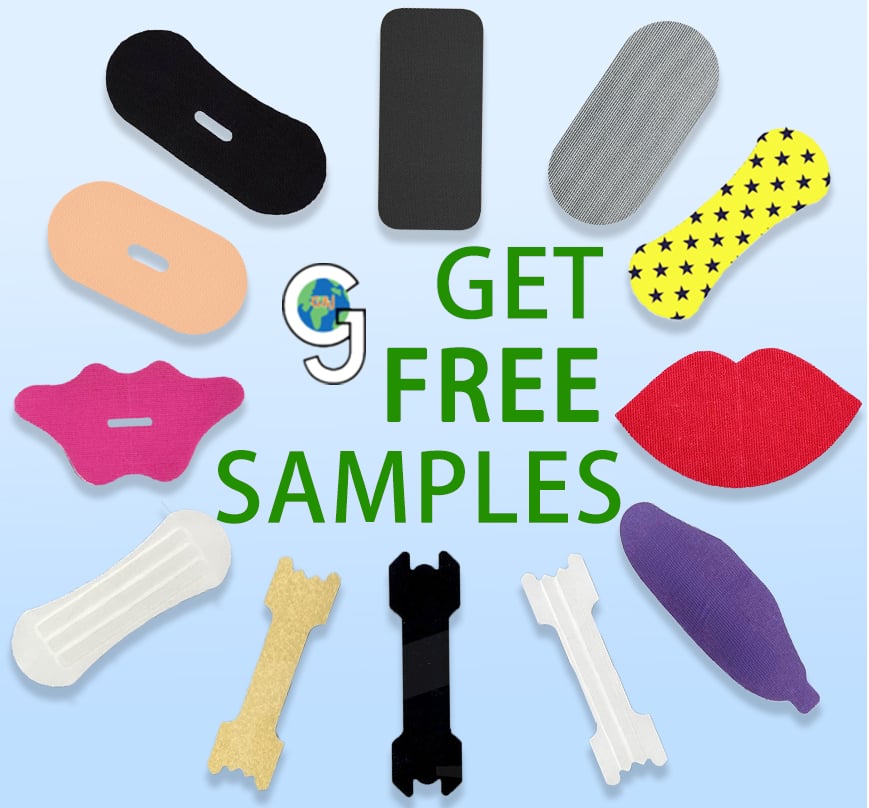
Contemporary mouth tape products offer various design options to accommodate different facial structures and personal preferences. Some products feature lip-shaped designs that follow natural mouth contours, while others utilize simple strip formats for straightforward application. Advanced formulations may include moisturizing properties to prevent lip dryness during extended use periods.
Customization options in premium mouth tape products can include different adhesive strengths for varying skin sensitivities, multiple size options for different facial dimensions, and specialized materials for users with specific skin conditions. The development of these variations reflects the growing recognition that effective sleep behavior products must accommodate individual differences in anatomy and comfort preferences.
Quality Indicators and Performance Standards
High-quality mouth tape products demonstrate consistent adhesive performance throughout typical sleep durations without losing effectiveness or causing discomfort. Professional-grade products undergo testing for skin compatibility, adhesive durability, and ease of removal to ensure user safety and satisfaction. Quality indicators include uniform adhesive distribution, reliable packaging that maintains product integrity, and clear usage instructions.
Performance standards for mouth tape often include specific metrics for adhesive strength, breathability ratings for skin contact materials, and durability testing under various environmental conditions. Reputable manufacturers provide detailed information about their testing protocols and safety certifications to help consumers make informed purchasing decisions.
Implementation Guidelines and Best Practices
Proper Application Techniques
Successful mouth tape implementation requires attention to proper application techniques that maximize effectiveness while maintaining user comfort and safety. The skin around the mouth area should be clean and dry before tape application to ensure optimal adhesion. Users should avoid applying moisturizers or lip balms immediately before tape use, as these products can interfere with adhesive performance.
Positioning of mouth tape should allow for natural lip closure without creating excessive tension or discomfort. The tape should be centered over the lip area and smoothed gently to eliminate air bubbles that might compromise adhesion. Users should practice removal techniques during daytime hours to become familiar with the process before nighttime use.
Gradual Adaptation and Usage Monitoring
Healthcare professionals often recommend a gradual approach to mouth tape adoption, beginning with short periods of daytime use to assess individual tolerance and comfort levels. This adaptation period allows users to become accustomed to the sensation of having their mouth gently secured while maintaining confidence in their ability to remove the tape when necessary.
Regular monitoring of sleep quality indicators can help users evaluate the effectiveness of mouth tape in their specific situation. Keeping a sleep diary that tracks factors such as sleep duration, perceived restfulness, and any instances of sleep disruption can provide valuable insights into the product's impact on overall sleep behavior patterns.
Market Trends and Consumer Considerations
Growing Awareness of Sleep Health Importance
The expanding market for sleep behavior products reflects increasing consumer awareness of sleep health's critical role in overall wellness and productivity. Mouth tape has emerged as an accessible option for individuals seeking non-pharmaceutical interventions for common sleep challenges. This trend aligns with broader movements toward preventive healthcare and self-directed wellness management.
Consumer education about sleep hygiene has contributed to more informed purchasing decisions regarding sleep behavior products, including mouth tape options. Online communities and wellness platforms frequently discuss experiences with various sleep aids, creating valuable feedback loops that inform product development and usage recommendations.
Professional Healthcare Integration
Healthcare providers increasingly recognize mouth tape as a legitimate tool within comprehensive sleep management strategies, particularly for patients seeking alternatives to more invasive treatments. Sleep medicine specialists may recommend mouth tape as an initial intervention for mild snoring or as a complementary approach alongside other sleep behavior modifications.
The integration of mouth tape recommendations into professional healthcare practices reflects growing acceptance of simple, low-risk interventions that can provide meaningful benefits for sleep quality improvement. Medical professionals appreciate the cost-effectiveness and accessibility of mouth tape compared to more complex sleep disorder treatments.
FAQ
Is mouth tape safe for everyone to use during sleep
While mouth tape is generally safe for most healthy adults, individuals with certain medical conditions should consult healthcare providers before use. People with severe nasal congestion, sleep apnea, or respiratory conditions should avoid mouth tape without medical supervision. The product is designed with safety features that allow for easy removal, but users must ensure they can breathe comfortably through their nose before application.
How long does it typically take to see results from using mouth tape
Most users notice some immediate effects from mouth tape use, such as reduced snoring or different breathing sensations during sleep. However, significant improvements in overall sleep quality and daytime energy levels typically become apparent after one to two weeks of consistent use. Individual results vary based on the underlying causes of sleep disruption and overall sleep hygiene practices.
Can mouth tape be used alongside other sleep behavior products
Mouth tape can often be safely combined with other sleep behavior products such as sleep positioning devices, white noise machines, or appropriate bedding modifications. However, users should avoid combining mouth tape with other products that affect breathing or mouth positioning without consulting healthcare professionals. The simplicity of mouth tape makes it compatible with most standard sleep hygiene practices.
What should I do if the mouth tape causes skin irritation
If skin irritation occurs with mouth tape use, discontinue application immediately and allow the skin to recover completely before considering alternative products. Look for hypoallergenic formulations or products specifically designed for sensitive skin. Some users may benefit from applying the tape for shorter periods initially or using products with gentler adhesive formulations. Persistent irritation should be evaluated by healthcare professionals.
One-Stop Custom Tape & Patch Supplier, Fully Certified & Safety Guaranteed
Name: Vicky Zhou
Call/Text: +86 198 0595 7675
Email: [email protected]
Website:https://www.hlktape.com
YouTube:https://www.youtube.com/@HLKTape