 EN
EN


Occlusive Design Principles in Moisturizing Mouth Tapes
The science of occlusive design has revolutionized the development of moisturizing mouth tapes, creating products that not only promote nasal breathing during sleep but also maintain optimal hydration levels around the mouth and lips. These innovative adhesive solutions combine advanced materials engineering with dermatological principles to deliver comfort and effectiveness throughout the night. Understanding the fundamental design principles behind moisturizing mouth tapes enables users to make informed decisions about their sleep health and breathing optimization strategies.
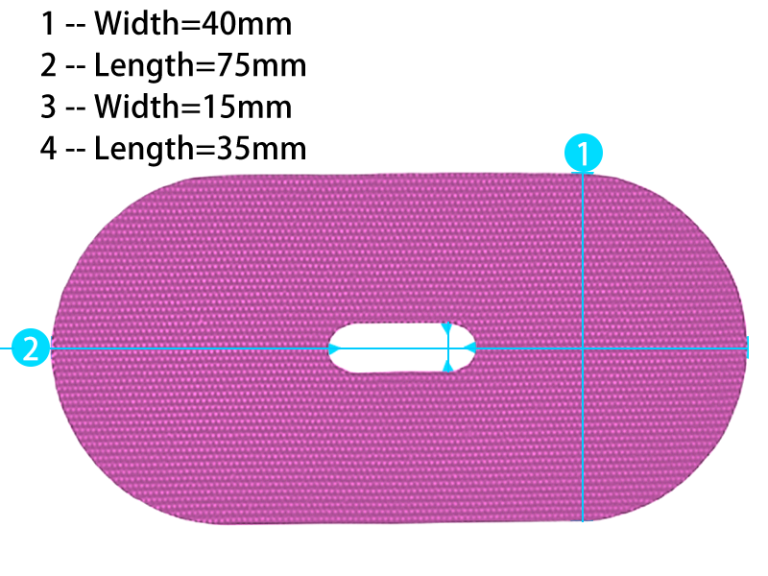
Modern moisturizing mouth tapes utilize sophisticated occlusive barrier technologies that prevent transepidermal water loss while maintaining skin integrity. The design philosophy centers on creating a breathable yet protective seal that allows natural moisture retention without compromising adhesion quality. These products represent a significant advancement over traditional mouth tapes, incorporating hydrogel matrices and specialized adhesive formulations that work synergistically to enhance user comfort and therapeutic outcomes.
Fundamental Occlusive Barrier Technology
Hydrogel Matrix Integration
The cornerstone of effective moisturizing mouth tapes lies in their hydrogel matrix composition, which creates a moisture-rich environment against the skin surface. These matrices are engineered using cross-linked polymers that can absorb and retain water molecules while releasing them gradually to maintain optimal hydration levels. The hydrogel component acts as a reservoir, continuously supplying moisture to the lip and perioral areas throughout the sleep cycle, preventing the dryness commonly associated with mouth breathing cessation devices.
Advanced hydrogel formulations in moisturizing mouth tapes incorporate biocompatible materials such as polyethylene glycol and sodium hyaluronate, which enhance water retention capacity and skin compatibility. The cross-linking density is carefully calibrated to achieve the ideal balance between structural integrity and moisture permeability. This sophisticated design ensures that the tape maintains its adhesive properties while continuously delivering hydration to the underlying skin, creating a therapeutic microenvironment that supports natural healing and comfort.
Selective Permeability Mechanisms
The occlusive design of moisturizing mouth tapes incorporates selective permeability features that allow controlled moisture exchange while preventing excessive water loss. This is achieved through micro-porous structures within the tape material that permit vapor transmission at optimal rates. The permeability characteristics are engineered to match the natural transpiration rates of facial skin, ensuring that moisture balance is maintained without creating an overly humid environment that could compromise adhesion or skin health.
Selective permeability in moisturizing mouth tapes is further enhanced by gradient porosity designs, where the tape structure varies in density from the skin-contact surface to the external layer. This creates a moisture management system that draws humidity from the ambient environment while retaining therapeutic moisture at the skin interface. The result is a dynamic equilibrium that adapts to changing environmental conditions throughout the night, maintaining consistent hydration levels regardless of room humidity or temperature fluctuations.
Adhesive Chemistry and Skin Compatibility
Hypoallergenic Adhesive Formulations
The adhesive chemistry used in moisturizing mouth tapes must balance strong adherence with gentle skin interaction, requiring specialized formulations that minimize allergic reactions while maintaining overnight durability. Medical-grade adhesives based on silicone or acrylate polymers are commonly employed, as they provide excellent biocompatibility and reduced potential for sensitization. These adhesives are designed to form temporary bonds with the stratum corneum without disrupting the skin barrier function or causing irritation upon removal.
Modern moisturizing mouth tapes utilize pressure-sensitive adhesives that are specifically formulated to work in conjunction with hydrogel matrices. The adhesive layer is often modified with moisturizing agents such as glycerin or aloe vera extracts, creating a dual-function system that provides both adhesion and therapeutic benefits. This integration ensures that the adhesive itself contributes to the overall moisturizing effect rather than competing with or negating the hydrogel's benefits.
Removal Characteristics and Skin Protection
The design of moisturizing mouth tapes must account for safe and comfortable removal after extended wear periods, incorporating features that minimize trauma to the delicate perioral skin. Advanced formulations include debonding agents that are activated by moisture or gentle stretching, allowing the tape to release gradually rather than requiring forceful removal. This consideration is particularly important for moisturizing mouth tapes, as the hydrated skin condition may be more susceptible to damage during removal.
Protective removal systems in moisturizing mouth tapes often incorporate shape memory materials that return to their original configuration when removal force is applied, reducing stress concentration on the skin. Additionally, the edges of these tapes are frequently designed with tapered profiles that distribute removal forces more evenly across the adhesive interface. These engineering considerations ensure that users can safely remove moisturizing mouth tapes without experiencing skin irritation, redness, or discomfort that might discourage continued use.
Therapeutic Moisture Management Systems
Controlled Release Hydration
The therapeutic effectiveness of moisturizing mouth tapes depends heavily on their ability to deliver controlled hydration throughout the wear period. This is achieved through sophisticated release mechanisms that regulate the rate at which moisture is transferred from the hydrogel matrix to the skin surface. Time-release formulations ensure that hydration levels remain consistent from application to removal, preventing the initial moisture surge followed by gradual depletion that characterizes less advanced products.
Controlled release systems in moisturizing mouth tapes often incorporate multiple hydration phases, with different components activated at various time intervals during wear. Initial rapid hydration helps restore moisture to dehydrated skin immediately upon application, while sustained release mechanisms maintain optimal hydration levels throughout the night. This multi-phase approach mimics the natural circadian rhythm of skin hydration, providing enhanced therapeutic benefits and improved user comfort compared to static moisture delivery systems.
Microclimate Optimization
The creation of an optimal microclimate beneath moisturizing mouth tapes involves careful consideration of temperature, humidity, and air circulation factors. The occlusive design must maintain elevated humidity levels while preventing the accumulation of condensation that could compromise adhesion or promote bacterial growth. Advanced moisturizing mouth tapes incorporate ventilation channels or permeable zones that allow gentle air circulation while maintaining the therapeutic moisture environment.
Microclimate optimization in moisturizing mouth tapes also involves thermal management considerations, as the insulating properties of the tape material can affect local skin temperature. Designs that incorporate thermally conductive elements or phase-change materials help regulate temperature fluctuations, maintaining a comfortable and therapeutically beneficial environment. This comprehensive approach to microclimate control distinguishes premium moisturizing mouth tapes from basic occlusive devices, providing superior user experience and therapeutic outcomes.
Material Science and Manufacturing Considerations
Substrate Material Selection
The substrate materials used in moisturizing mouth tapes must possess specific mechanical and chemical properties to support the occlusive design principles while maintaining manufacturability and cost-effectiveness. Non-woven fabrics, polyurethane films, and composite materials are commonly evaluated for their flexibility, breathability, and compatibility with hydrogel systems. The substrate serves as the structural foundation that maintains tape integrity while supporting the various functional layers required for optimal performance.
Advanced moisturizing mouth tapes often utilize multi-layer substrate constructions that combine different materials to achieve optimal performance characteristics. For example, a flexible polyurethane backing may be laminated with a non-woven fabric that enhances moisture management and adhesive compatibility. These composite constructions allow engineers to optimize individual properties such as conformability, strength, and moisture vapor transmission while maintaining overall product cohesion and manufacturing efficiency.
Quality Control and Performance Validation
Manufacturing moisturizing mouth tapes requires rigorous quality control processes to ensure consistent performance across production batches. Critical parameters include adhesive bond strength, moisture retention capacity, hydrogel uniformity, and dimensional stability under various environmental conditions. Advanced testing protocols evaluate these products under simulated use conditions, including extended wear tests, temperature cycling, and humidity exposure to validate their performance claims.
Performance validation for moisturizing mouth tapes extends beyond basic adhesion testing to include biocompatibility assessments, moisture delivery characterization, and user comfort evaluations. Clinical testing protocols often involve sleep studies that monitor both the therapeutic effectiveness of nasal breathing promotion and the moisturizing benefits throughout typical wear periods. This comprehensive validation approach ensures that moisturizing mouth tapes meet both functional and safety requirements for their intended applications.
Clinical Applications and User Benefits
Sleep Quality Enhancement
The primary therapeutic benefit of moisturizing mouth tapes lies in their ability to promote nasal breathing during sleep while maintaining oral comfort through continuous hydration. By gently encouraging mouth closure, these devices help users transition from mouth breathing to nasal breathing patterns, which can reduce snoring, improve oxygen saturation, and enhance overall sleep quality. The moisturizing component addresses a common complaint associated with mouth breathing cessation devices by preventing the dry mouth sensation that often accompanies their use.
Clinical studies have demonstrated that moisturizing mouth tapes can significantly improve sleep continuity by reducing arousal events associated with dry mouth discomfort. Users report fewer instances of waking due to thirst or oral discomfort, leading to more restorative sleep cycles. The combination of breathing optimization and moisture therapy creates a synergistic effect that enhances the overall therapeutic value of these devices beyond simple mechanical mouth closure.
Dermatological Benefits and Skin Health
Beyond their primary function as sleep aids, moisturizing mouth tapes provide significant dermatological benefits by delivering targeted hydration to the perioral region. This therapeutic effect can help address common skin concerns such as chapped lips, perioral dryness, and fine lines caused by dehydration. The overnight application period allows for extended moisture therapy that can complement daily skincare routines and provide visible improvements in skin texture and appearance.
The dermatological benefits of moisturizing mouth tapes extend to individuals with specific skin conditions such as atopic dermatitis or xerosis, where maintaining adequate skin hydration is crucial for symptom management. The occlusive design creates an ideal environment for barrier repair and can help reduce inflammatory responses associated with dry, compromised skin. Regular use of moisturizing mouth tapes may contribute to improved skin barrier function and reduced susceptibility to environmental irritants in the perioral area.
Future Innovations and Technology Trends
Smart Materials Integration
The future of moisturizing mouth tapes lies in the integration of smart materials that can respond dynamically to user needs and environmental conditions. Shape memory polymers, thermochromic materials, and pH-responsive hydrogels represent emerging technologies that could enhance the adaptive capabilities of these products. Smart moisturizing mouth tapes might automatically adjust their permeability, adhesion strength, or moisture release rate based on real-time feedback from skin sensors or environmental monitoring systems.
Nanotechnology applications in moisturizing mouth tapes could enable the incorporation of active ingredients at the molecular level, creating products that deliver not only moisture but also therapeutic compounds such as antimicrobials, anti-inflammatories, or sleep-promoting substances. These advanced formulations would transform moisturizing mouth tapes from passive devices into active therapeutic systems that provide comprehensive sleep and skin health benefits through sophisticated delivery mechanisms.
Personalization and Customization
Advances in manufacturing technology and user assessment tools are enabling the development of personalized moisturizing mouth tapes tailored to individual anatomical and physiological characteristics. 3D scanning technologies can create custom-fit products that optimize adhesion and comfort while maximizing therapeutic effectiveness. Personalized hydrogel formulations based on skin type, environmental conditions, and specific therapeutic needs represent the next frontier in moisturizing mouth tape development.
The integration of wearable technology and mobile health platforms could enable continuous monitoring and optimization of moisturizing mouth tape performance. Smart sensors could track sleep quality, breathing patterns, and skin hydration levels, providing data-driven insights for product customization and usage optimization. This personalized approach would ensure that users receive maximum therapeutic benefit from their moisturizing mouth tapes while minimizing any potential adverse effects or comfort issues.
FAQ
How do moisturizing mouth tapes differ from regular mouth tapes
Moisturizing mouth tapes incorporate hydrogel matrices and specialized adhesive formulations that actively deliver moisture to the skin throughout wear, while regular mouth tapes focus solely on mechanical mouth closure. The occlusive design of moisturizing mouth tapes creates a therapeutic microenvironment that prevents water loss and maintains optimal hydration levels, addressing the common complaint of dry mouth associated with traditional mouth breathing cessation devices.
Are moisturizing mouth tapes safe for sensitive skin
High-quality moisturizing mouth tapes are formulated with hypoallergenic adhesives and biocompatible materials specifically designed for sensitive skin applications. The hydrogel component often includes soothing ingredients that can actually benefit sensitive skin by providing protective moisture barrier effects. However, individuals with known adhesive sensitivities should perform patch testing before regular use and consult healthcare providers if they have concerns about skin reactions.
How long can moisturizing mouth tapes be worn safely
Most moisturizing mouth tapes are designed for overnight wear, typically 6-8 hours, which aligns with normal sleep durations. The occlusive design and controlled moisture release systems are calibrated for this wear period to ensure optimal therapeutic benefits without skin irritation. Extended wear beyond the recommended duration may compromise adhesion effectiveness and could potentially lead to skin maceration or other adverse effects.
Do moisturizing mouth tapes require special removal techniques
Moisturizing mouth tapes are typically designed with gentle removal characteristics that minimize skin trauma. The recommended removal technique involves slowly peeling the tape from one corner while supporting the skin with the other hand, allowing the adhesive to release gradually. The moisture content from the hydrogel actually facilitates easier removal compared to dry adhesive tapes, as the hydrated skin and adhesive interface separates more readily with gentle pressure.
One-Stop Custom Tape & Patch Supplier, Fully Certified & Safety Guaranteed
Name: Vicky Zhou
Call/Text: +86 198 0595 7675
Email: [email protected]
Website:https://www.hlktape.com
YouTube:https://www.youtube.com/@HLKTape