
 EN
EN


NasalStrips as a Non-Invasive Sleep Aid Product Category
Sleep quality has become a critical concern for millions of individuals worldwide, with many seeking non-invasive solutions to address breathing difficulties and snoring issues during rest. Among the various sleep aid products available in the market, nasal strips have emerged as a popular and effective solution for improving nighttime breathing patterns. These innovative devices work by gently lifting and opening the nasal passages, allowing for increased airflow and reduced respiratory resistance during sleep.
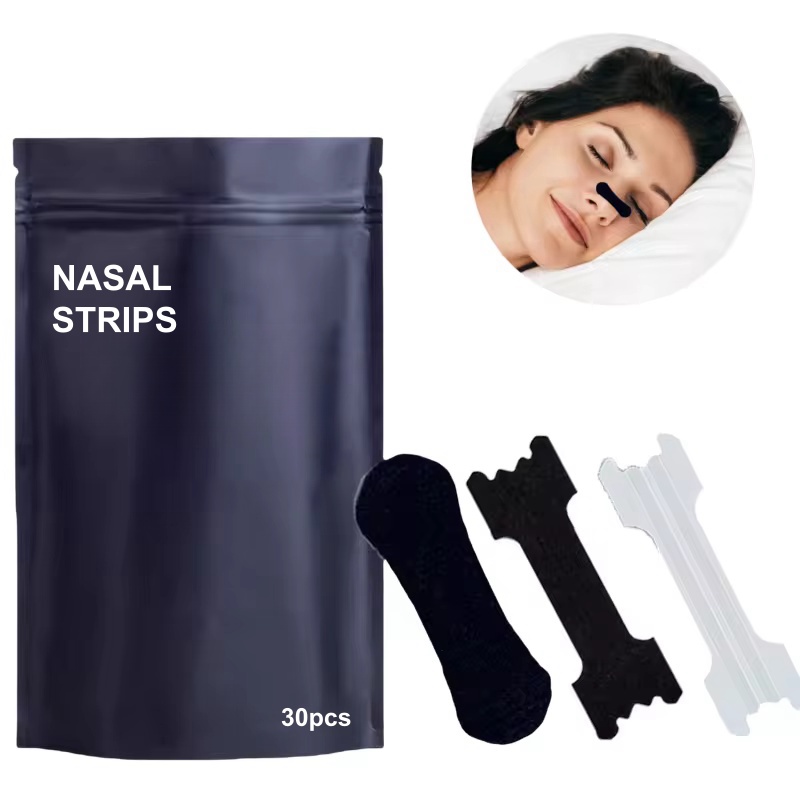
The growing awareness of sleep disorders and their impact on overall health has driven significant demand for accessible, drug-free alternatives to traditional sleep aids. Nasal strips represent a breakthrough in this category, offering immediate relief without the side effects commonly associated with pharmaceutical interventions. These external devices provide mechanical support to the nasal structure, creating optimal conditions for unobstructed breathing throughout the night.
Modern consumers increasingly prefer non-invasive sleep solutions that can be easily integrated into their nightly routines without requiring medical supervision or prescription requirements. The simplicity and effectiveness of nasal strips have positioned them as a leading choice among sleep aid products, appealing to both occasional users and individuals with chronic breathing challenges during sleep.
Understanding the Mechanism of Nasal Strip Technology
Physical Structure and Design Principles
The engineering behind nasal strips involves a sophisticated understanding of nasal anatomy and airflow dynamics. These devices typically consist of flexible bands embedded with spring-like elements that create gentle outward tension when applied to the external nose surface. The adhesive backing ensures secure placement throughout the night while maintaining skin-friendly properties to prevent irritation or discomfort during extended wear.
Advanced nasal strips incorporate breathable materials that allow proper ventilation of the skin underneath while maintaining their structural integrity. The design must balance sufficient lifting force with user comfort, ensuring that the device remains effective without causing pressure points or skin damage. Modern manufacturing techniques have enabled the production of ultra-thin profiles that provide maximum lifting power while remaining virtually invisible during use.
Airflow Enhancement Mechanisms
When properly applied, nasal strips work by mechanically widening the narrowest part of the nasal valve area, which is often the primary source of breathing resistance during sleep. This external support reduces the collapse tendency of soft tissues that can obstruct airflow, particularly when lying in horizontal positions. The improved nasal patency allows for more efficient oxygen intake and carbon dioxide elimination during the sleep cycle.
Research has demonstrated that even modest improvements in nasal airflow can significantly impact sleep quality and reduce snoring intensity. The enhanced breathing efficiency achieved through nasal strips helps maintain optimal blood oxygen levels throughout the night, contributing to deeper, more restorative sleep phases.
Clinical Applications and Therapeutic Benefits
Sleep Disorder Management
Healthcare professionals increasingly recognize nasal strips as valuable adjunct treatments for various sleep-related breathing disorders. While not intended to replace comprehensive sleep apnea therapies, these devices can provide meaningful improvement for individuals with mild to moderate nasal obstruction issues. The non-invasive nature of nasal strips makes them suitable for long-term use without the complications associated with surgical interventions or continuous positive airway pressure devices.
Clinical studies have shown that nasal strips can reduce snoring frequency and intensity in a significant percentage of users, particularly those whose snoring originates from nasal congestion or structural limitations. The improved sleep quality benefits extend beyond the primary user, as reduced snoring also enhances sleep quality for bed partners and household members. This dual benefit has contributed to the widespread adoption of nasal strips as a family-friendly sleep improvement solution.
Athletic Performance Enhancement
Beyond sleep applications, nasal strips have found significant utility in sports and athletic performance enhancement. Athletes utilize these devices to optimize breathing efficiency during training and competition, particularly in endurance sports where oxygen delivery is crucial for performance. The improved nasal airflow can reduce the work of breathing, allowing athletes to maintain higher intensity levels for extended periods.
Professional sports teams and training facilities have incorporated nasal strips into their performance optimization protocols, recognizing the connection between efficient breathing and athletic achievement. The devices are particularly beneficial for athletes who experience exercise-induced nasal congestion or those competing in environments with challenging air quality conditions. The external nature of nasal strips makes them compatible with most sports equipment and regulations.
Product Categories and Technological Variations
Standard Adhesive Nasal Strips
Traditional nasal strips rely on medical-grade adhesives combined with flexible polymer bands to create the necessary lifting force. These products are designed for single-use applications and are available in various sizes to accommodate different nasal anatomies. The adhesive formulations have been refined over years of development to provide secure attachment while allowing for comfortable removal without skin irritation.
Modern standard nasal strips incorporate hypoallergenic materials and skin-friendly adhesives that maintain their effectiveness even in the presence of natural skin oils or light perspiration. The manufacturing process ensures consistent performance across individual units, with quality control measures that verify both adhesive strength and lifting capacity. These products represent the most widely available category of nasal strips and have established the foundation for broader market acceptance.
Advanced Magnetic and Reusable Systems
Innovative magnetic nasal strips represent the latest evolution in sleep aid technology, offering reusable solutions that eliminate the need for adhesive materials. These systems utilize carefully calibrated magnetic forces to maintain positioning while providing consistent nasal support throughout the night. The absence of adhesives makes these products suitable for individuals with sensitive skin or those who prefer environmentally sustainable options.
Reusable nasal strips incorporate advanced materials engineering to ensure durability and consistent performance across multiple applications. The magnetic systems are designed with safety considerations to prevent discomfort while maintaining sufficient force to achieve therapeutic benefits. These premium products often feature adjustable tension settings, allowing users to customize the level of nasal support based on their specific needs and comfort preferences.
Market Trends and Consumer Preferences
Demographic Analysis and Usage Patterns
Market research indicates that nasal strips appeal to a diverse demographic range, with significant adoption across age groups and lifestyle categories. Middle-aged adults represent the largest user segment, often seeking solutions for age-related changes in nasal structure and increased snoring tendencies. However, younger demographics, including college students and young professionals, increasingly utilize nasal strips to optimize sleep quality in demanding academic and career environments.
Geographic variations in usage patterns reflect both climate factors and cultural attitudes toward sleep health. Regions with higher pollution levels or seasonal allergen exposure show increased demand for nasal breathing aids, while areas with strong wellness cultures demonstrate higher adoption rates of preventive sleep improvement products. The global expansion of nasal strips markets indicates growing international awareness of the importance of quality sleep and non-pharmaceutical health solutions.
Innovation Drivers and Future Developments
Technological advancement in materials science continues to drive innovation in nasal strips design and functionality. Research focuses on developing even more comfortable materials, improved adhesive systems, and enhanced lifting mechanisms that can accommodate varying nasal anatomies. Smart technology integration represents an emerging frontier, with concepts for nasal strips that could monitor breathing patterns or adjust their support levels based on sleep position changes.
Environmental sustainability concerns are influencing product development directions, with manufacturers exploring biodegradable materials and reduced packaging options. The trend toward personalized healthcare solutions is driving interest in customizable nasal strips that can be tailored to individual anatomical measurements and specific breathing challenge profiles. These developments suggest continued growth and diversification within the nasal strips product category.
Safety Considerations and Best Practices
Proper Application Techniques
Achieving optimal results with nasal strips requires proper application techniques that ensure both effectiveness and user safety. The skin surface must be clean and dry before application, with any oils, lotions, or makeup removed from the nasal area. Correct positioning involves centering the device over the nasal bridge with the widest portion spanning the flare of the nostrils to maximize lifting effect on the nasal passages.
Users should apply firm pressure during initial placement to ensure complete adhesive contact, then allow a brief settling period before engaging in normal activities. Removal should be performed gently, preferably after moistening the adhesive edges with warm water to reduce skin tension during the process. Following manufacturer guidelines for application and removal helps prevent skin irritation while maximizing the therapeutic benefits of nasal strips.
Contraindications and Precautionary Measures
While nasal strips are generally safe for most users, certain conditions require careful consideration or medical consultation before use. Individuals with active nasal injuries, recent facial surgery, or chronic skin conditions should seek professional advice before incorporating nasal strips into their sleep routine. Allergic reactions to adhesive materials, though rare, can occur and require immediate discontinuation of use.
Long-term users should monitor their skin for any signs of irritation or sensitization, rotating application areas when possible to prevent localized skin stress. The devices should not be used as substitutes for professional medical treatment of serious sleep disorders or breathing conditions. Regular evaluation of effectiveness and comfort helps ensure that nasal strips continue to provide benefits without adverse effects during extended use periods.
FAQ
How long can I safely use nasal strips each night
Nasal strips are designed for overnight use and can typically be worn safely for 8-12 hours without adverse effects. Most users apply them before bedtime and remove them upon waking, which provides optimal sleep benefits while minimizing skin exposure time. If you experience any skin irritation or discomfort, reduce the wearing duration or take breaks between applications to allow your skin to recover.
Can nasal strips help with sleep apnea symptoms
While nasal strips can improve nasal airflow and may reduce some snoring associated with nasal obstruction, they are not a treatment for sleep apnea. Sleep apnea is a serious medical condition requiring professional diagnosis and treatment. Nasal strips may be used as a complementary aid alongside prescribed therapies, but you should consult with a sleep specialist for proper evaluation and treatment of suspected sleep apnea.
Are there different sizes available for various nose shapes
Yes, most nasal strips manufacturers offer multiple sizes to accommodate different nasal anatomies and face structures. Standard sizing typically includes small, medium, and large options, with some brands providing extra-large sizes for broader nasal bridges. Choosing the correct size is important for both comfort and effectiveness, as properly fitted strips provide optimal lifting force while maintaining secure placement throughout the night.
How do magnetic nasal strips compare to traditional adhesive versions
Magnetic nasal strips offer the advantage of being reusable and eliminate concerns about adhesive sensitivity or residue. They typically provide consistent lifting force and can be more environmentally friendly due to their reusable nature. However, traditional adhesive strips often provide more secure placement and may be more cost-effective for occasional use. The choice depends on individual preferences, skin sensitivity, and frequency of use patterns.
One-Stop Custom Tape & Patch Supplier, Fully Certified & Safety Guaranteed
Name: Vicky Zhou
Call/Text: +86 198 0595 7675
Email: [email protected]
Website:https://www.hlktape.com
YouTube:https://www.youtube.com/@HLKTape