
 EN
EN


Non-Woven NasalStrips for Running and Fitness Applications
Athletic performance depends heavily on optimal breathing patterns, and non-woven nasal strips have emerged as a revolutionary solution for runners and fitness enthusiasts seeking enhanced respiratory efficiency. These innovative breathing aids utilize advanced textile technology to mechanically lift nasal passages, creating wider airways that facilitate increased oxygen intake during physical exertion. The growing popularity of non-woven nasal strips among professional athletes and recreational fitness participants demonstrates their effectiveness in improving endurance performance and reducing exercise-induced breathing difficulties.
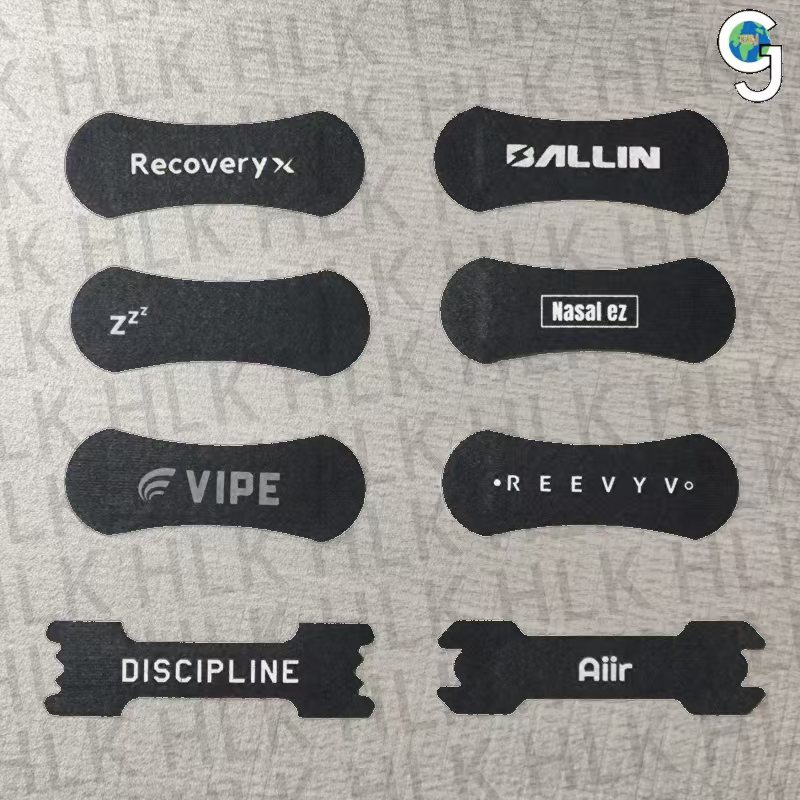
Modern athletic training demands precise attention to physiological optimization, where every marginal gain contributes to competitive advantage. Non-woven nasal strips represent a breakthrough in sports science applications, offering athletes a non-invasive method to enhance their natural breathing capacity without pharmaceutical intervention. The lightweight construction and moisture-resistant properties make these strips particularly suitable for high-intensity training sessions and competitive events where consistent performance is essential.
Understanding Non-Woven Technology in Athletic Applications
Material Science Behind Performance Enhancement
Non-woven nasal strips incorporate sophisticated textile engineering principles that distinguish them from conventional woven fabrics. The manufacturing process involves bonding synthetic fibers through thermal, chemical, or mechanical methods, creating a unified structure without traditional weaving patterns. This construction methodology results in superior flexibility, breathability, and adhesion properties essential for athletic applications where movement and perspiration are constant factors.
The fiber orientation in non-woven nasal strips is strategically designed to provide directional strength while maintaining conformability to facial contours. Advanced polymer compositions ensure these strips maintain their structural integrity throughout extended exercise sessions, even under challenging environmental conditions. Athletes benefit from this technological sophistication through consistent performance enhancement that remains stable regardless of workout intensity or duration.
Temperature regulation represents another critical advantage of non-woven construction, as the microporous structure facilitates air circulation around the nasal area. This ventilation capability prevents moisture accumulation that could compromise adhesion or cause discomfort during prolonged physical activity. The result is a breathing aid that integrates seamlessly into athletic routines without creating additional thermal stress.
Biomechanical Principles of Nasal Dilation
The effectiveness of non-woven nasal strips relies on proven biomechanical principles governing airway dynamics and respiratory mechanics. These strips function by applying gentle outward tension across the nasal bridge, mechanically lifting the nasal cartilage and expanding the internal nasal valve area. This expansion directly increases the cross-sectional area of nasal passages, reducing airflow resistance and enabling more efficient oxygen delivery to working muscles.
Research demonstrates that even modest increases in nasal passage diameter can significantly improve airflow characteristics due to the exponential relationship between radius and flow rate governed by fluid dynamics principles. Non-woven nasal strips capitalize on this relationship by providing consistent, controlled expansion that optimizes breathing efficiency without interfering with natural respiratory rhythms. Athletes experience this improvement as enhanced endurance capacity and reduced perceived exertion during demanding workouts.
The positioning and tension distribution of non-woven nasal strips are engineered to work synergistically with natural facial muscle movements during exercise. This compatibility ensures that the beneficial effects persist throughout dynamic activities involving varied facial expressions and head positions. The biomechanical optimization extends beyond simple dilation to encompass the entire respiratory cycle, supporting both inhalation and exhalation phases.
Performance Benefits for Running and Endurance Sports
Oxygen Uptake Enhancement During Cardiovascular Exercise
Cardiovascular performance fundamentally depends on efficient oxygen transport from the atmosphere to working muscle tissues, making respiratory optimization a critical factor in athletic success. Non-woven nasal strips directly address this requirement by increasing nasal airflow capacity, enabling athletes to maintain higher oxygen saturation levels during intense exercise. The improved breathing efficiency translates to enhanced aerobic capacity and delayed onset of fatigue-inducing anaerobic metabolism.
Distance runners particularly benefit from the sustained performance improvements offered by non-woven nasal strips, as marathon and half-marathon events demand consistent oxygen delivery over extended periods. The strips maintain their effectiveness throughout long-duration activities, providing reliable respiratory support when traditional breathing patterns become compromised by fatigue. This consistency allows athletes to maintain target pace zones for longer periods while experiencing reduced respiratory distress.
Scientific studies measuring oxygen consumption in athletes using non-woven nasal strips demonstrate measurable improvements in VO2 max values and oxygen utilization efficiency. These physiological enhancements directly correlate with improved race times and enhanced training capacity, making nasal strips valuable tools for competitive athletes seeking performance optimization through legal, safe methods.
Recovery and Adaptation Improvements
Post-exercise recovery represents an often-overlooked aspect of athletic performance where non-woven nasal strips provide significant benefits through enhanced respiratory function. Improved breathing efficiency during recovery periods accelerates lactate clearance and promotes faster restoration of normal metabolic balance. Athletes using these strips experience reduced recovery times between high-intensity intervals and improved adaptation to training stimuli.
The enhanced oxygen availability facilitated by non-woven nasal strips supports optimal protein synthesis and cellular repair processes that occur during recovery periods. This physiological advantage becomes particularly important for athletes following intensive training schedules where rapid recovery between sessions is essential for performance progression. The consistent respiratory support helps maintain homeostasis during the critical post-exercise period when physiological systems work to restore baseline function.
Sleep quality improvements represent another significant recovery benefit, as many athletes use non-woven nasal strips during overnight rest periods to maintain optimal breathing patterns. Enhanced sleep quality directly impacts training adaptation, immune function, and overall athletic performance, creating a comprehensive performance enhancement system that extends beyond exercise sessions into crucial recovery phases.
Application Techniques and Best Practices
Proper Fitting and Positioning Methods
Optimal performance from non-woven nasal strips requires precise application techniques that ensure proper adhesion and positioning for maximum respiratory benefit. The application process begins with thorough cleaning of the nasal bridge area to remove oils, sweat, and debris that could compromise adhesive contact. Athletes should use alcohol-based cleansers or specialized skin preparation products to create an ideal bonding surface.
Positioning accuracy directly influences the effectiveness of non-woven nasal strips, with the center of the strip aligned precisely over the nasal bridge at the point of maximum cartilage flexibility. The strips should be applied while the facial muscles are relaxed, allowing the adhesive to form a secure bond before the mechanical tension begins affecting nasal passage geometry. Proper positioning ensures that the lifting action targets the optimal anatomical structures for maximum airway expansion.
Pressure application during the bonding process requires graduated force that allows the adhesive to conform to skin contours without creating excessive stress concentrations. Athletes should apply firm, even pressure for approximately thirty seconds to ensure complete adhesion while avoiding aggressive handling that could pre-stretch the strip and reduce its lifting effectiveness. The final positioning should feel comfortable and secure without creating tension or discomfort.
Integration with Training Routines
Successful integration of non-woven nasal strips into established training routines requires strategic timing and gradual adaptation to maximize their performance benefits. Athletes should begin using strips during moderate-intensity sessions to become accustomed to the sensation and breathing pattern changes before progressing to high-intensity or competitive applications. This adaptation period typically requires one to two weeks for complete physiological and psychological adjustment.
Training periodization considerations include using non-woven nasal strips strategically during specific workout phases where respiratory demand is highest or recovery optimization is most critical. Interval training sessions, tempo runs, and threshold workouts represent ideal applications where the breathing enhancement provides measurable performance benefits. Athletes should maintain detailed training logs documenting strip usage and perceived performance improvements to optimize their application strategy.
Competition preparation protocols should include practice sessions using non-woven nasal strips under race-specific conditions to ensure comfort and effectiveness during important events. Athletes must verify that strips maintain adhesion throughout the expected competition duration while providing consistent respiratory benefits. This preparation prevents unexpected issues during critical competitive situations where performance optimization is essential.
Comparative Analysis with Alternative Breathing Aids
Advantages Over Traditional Athletic Aids
Non-woven nasal strips offer distinct advantages compared to alternative breathing enhancement methods commonly used in athletic applications. Unlike internal nasal dilators or nasal clips, non-woven strips provide external mechanical support without requiring insertion into sensitive nasal passages. This external approach eliminates discomfort associated with internal devices while maintaining superior effectiveness in expanding nasal airways during physical activity.
The flexibility and conformability of non-woven nasal strips surpass rigid plastic or metal alternatives that may shift or become uncomfortable during dynamic movements. Athletes benefit from the natural feel and secure adhesion that maintains consistent performance throughout varied exercise positions and intensities. The breathable material construction prevents moisture accumulation and skin irritation commonly associated with non-porous alternatives.
Cost-effectiveness represents another significant advantage, as non-woven nasal strips provide professional-grade performance enhancement at a fraction of the cost of electronic or mechanical breathing aids. This accessibility makes respiratory optimization available to recreational athletes and amateur competitors who may not have access to expensive performance enhancement technologies. The disposable nature ensures optimal hygiene without requiring complex cleaning or maintenance procedures.
Technology Integration and Future Developments
Emerging technologies in non-woven nasal strips incorporate advanced materials science innovations that enhance performance characteristics beyond traditional textile applications. Smart materials responsive to temperature and humidity changes provide adaptive breathing support that adjusts to environmental conditions and exercise intensity levels. These developments represent the evolution of simple mechanical devices into sophisticated athletic performance systems.
Integration with wearable fitness technology creates opportunities for comprehensive performance monitoring that combines respiratory enhancement with real-time physiological feedback. Future non-woven nasal strips may incorporate sensors that monitor airflow rates, breathing patterns, and oxygen saturation levels to provide athletes with detailed performance data. This integration supports evidence-based training optimization and personalized performance enhancement strategies.
Sustainable manufacturing approaches are driving innovation in biodegradable non-woven nasal strips that maintain performance characteristics while reducing environmental impact. These developments address growing athlete concern for environmental responsibility while preserving the performance benefits that make these strips essential training tools. The combination of performance and sustainability represents the future direction of athletic breathing aids.
Safety Considerations and Usage Guidelines
Skin Compatibility and Allergic Reactions
Athletes with sensitive skin or known allergies should carefully evaluate non-woven nasal strips for potential adverse reactions before incorporating them into regular training routines. The adhesive compounds used in quality strips undergo dermatological testing to minimize allergic potential, but individual sensitivity variations require personalized assessment. Patch testing on small skin areas helps identify potential reactions before full application during exercise sessions.
Proper removal techniques prevent skin damage and reduce the likelihood of irritation from repeated use of non-woven nasal strips. Athletes should remove strips gently using warm water or specialized adhesive removers rather than forceful peeling that can damage delicate facial skin. The removal process should occur gradually, allowing adhesive bonds to release naturally without creating excessive mechanical stress on skin surfaces.
Continuous usage monitoring helps athletes maintain healthy skin condition while benefiting from respiratory enhancement provided by non-woven nasal strips. Regular skin inspection identifies early signs of irritation or adverse reactions that require modification of application techniques or temporary discontinuation. Professional consultation with dermatologists or sports medicine physicians provides specialized guidance for athletes with complex skin sensitivities.
Performance Monitoring and Adaptation
Systematic performance tracking enables athletes to quantify the benefits provided by non-woven nasal strips and optimize their usage patterns for maximum effectiveness. Heart rate monitoring, perceived exertion scales, and objective performance metrics provide measurable data that demonstrates respiratory enhancement impacts. This quantitative approach supports evidence-based decisions regarding strip usage in various training and competitive scenarios.
Physiological adaptation to non-woven nasal strips may occur over extended usage periods, potentially requiring periodic assessment and adjustment of application strategies. Athletes should maintain awareness of changing effectiveness and modify their approach to ensure continued performance benefits. Professional sports science consultation provides expert guidance for optimizing long-term usage patterns and maximizing respiratory enhancement outcomes.
Individual variation in response to non-woven nasal strips necessitates personalized approaches that account for anatomical differences, training intensities, and performance objectives. Athletes benefit from systematic experimentation with different strip types, positioning techniques, and usage schedules to identify optimal configurations for their specific requirements. This individualized approach ensures maximum performance enhancement while maintaining comfort and safety.
FAQ
How long can non-woven nasal strips be worn during exercise sessions
Non-woven nasal strips are designed for single-use applications and can typically be worn safely for up to 12 hours during extended exercise sessions or competitive events. The adhesive maintains its bonding strength throughout this period while the non-woven material retains its structural integrity and lifting effectiveness. Athletes participating in ultra-endurance events like ironman competitions or multi-stage races can rely on consistent performance throughout their event duration without requiring replacement.
Do non-woven nasal strips work effectively for all types of athletic activities
Non-woven nasal strips provide respiratory benefits across diverse athletic applications, from high-intensity interval training to steady-state endurance activities. The mechanical lifting action effectively enhances nasal airflow regardless of exercise type, though the perceived benefits may vary based on individual breathing patterns and nasal anatomy. Contact sports athletes should consider strip durability under physical impact conditions, while swimmers may need water-resistant formulations for aquatic training applications.
Are there any contraindications for using non-woven nasal strips in athletic training
Athletes with active nasal injuries, chronic sinusitis, or severe nasal septum deviations should consult medical professionals before using non-woven nasal strips for athletic training. Additionally, individuals with known adhesive allergies or extremely sensitive skin may require specialized hypoallergenic formulations or alternative breathing enhancement methods. Pregnant athletes should verify safety with their healthcare providers, though external nasal strips generally pose minimal risk compared to internal breathing aids.
How do environmental conditions affect the performance of non-woven nasal strips during outdoor activities
Environmental factors including temperature, humidity, and precipitation can influence the adhesive performance and structural integrity of non-woven nasal strips during outdoor athletic activities. High temperatures may reduce adhesive strength while extreme cold can make the material less flexible, though quality strips are engineered to maintain functionality across normal athletic environmental ranges. Excessive moisture from rain or high humidity may compromise adhesion, requiring athletes to carry backup strips for extended outdoor training sessions or competitions.
One-Stop Custom Tape & Patch Supplier, Fully Certified & Safety Guaranteed
Name: Vicky Zhou
Call/Text: +86 198 0595 7675
Email: [email protected]
Website:https://www.hlktape.com
YouTube:https://www.youtube.com/@HLKTape