
 EN
EN


Sweat Resistance and Adhesion in Sports NasalStrips
Athletic performance relies heavily on optimal breathing, and sports nasal strips have emerged as a game-changing solution for athletes seeking enhanced respiratory efficiency. These innovative devices provide external nasal dilation, improving airflow during intense physical activities while maintaining superior adhesion even under challenging conditions. The effectiveness of sports nasal strips depends significantly on their ability to resist moisture, sweat, and movement while delivering consistent breathing enhancement throughout extended training sessions and competitions.
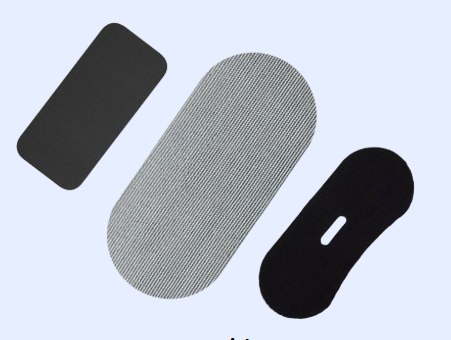
Modern sports nasal strips incorporate advanced adhesive technologies specifically engineered to withstand the rigorous demands of athletic activities. Unlike traditional nasal strips designed for nighttime use, these specialized versions feature enhanced polymer compositions that maintain their grip even when exposed to perspiration and rapid movements. The development of sweat-resistant formulations represents a significant advancement in sports medicine accessories, enabling athletes to maintain consistent breathing support without concerns about product failure during critical performance moments.
Advanced Adhesive Technology in Athletic Applications
Polymer-Based Adhesion Systems
The foundation of effective sports nasal strips lies in their sophisticated adhesive systems, which utilize medical-grade polymers specifically formulated for skin contact during physical exertion. These polymers create a molecular bond with skin surfaces that strengthens under moisture conditions rather than weakening, contrary to conventional adhesives. The chemistry behind these formulations involves hydrophobic properties that repel water while maintaining elasticity and grip strength, ensuring that sports nasal strips remain securely positioned throughout intense workouts.
Advanced polymer technology incorporates micro-structured adhesive surfaces that increase contact area while distributing stress evenly across the nasal bridge. This design prevents the concentration of pulling forces that could cause discomfort or premature detachment. The result is a sports nasal strips system that adapts to facial movements and expressions while maintaining its primary function of nasal dilation, providing athletes with confidence in their breathing enhancement equipment.
Moisture Management Properties
Effective moisture management represents a critical aspect of sports nasal strips performance, particularly in high-intensity activities where perspiration rates can exceed normal levels. The adhesive formulations incorporate hygroscopic inhibitors that prevent moisture absorption while allowing controlled vapor transmission. This balanced approach ensures that sweat does not compromise the adhesive bond while preventing excessive moisture buildup beneath the strip that could cause skin irritation or bacterial growth.
The engineering of moisture-resistant sports nasal strips involves multiple layers of specialized materials, each serving specific functions in the overall performance profile. The base adhesive layer maintains skin contact, while intermediate layers provide structural support and moisture barriers. The outer layer often features hydrophobic coatings that channel moisture away from the adhesive interface, maintaining optimal bonding conditions even during prolonged athletic activities.
Performance Characteristics Under Physical Stress
Dynamic Adhesion During Movement
Athletic movements create complex stress patterns on sports nasal strips, requiring adhesive systems that can accommodate dynamic forces while maintaining their primary function. Running, jumping, and rapid directional changes generate varying loads on the nasal strip, testing both the adhesive strength and the structural integrity of the device. Advanced sports nasal strips utilize flexible backing materials that move with facial muscles and skin, distributing mechanical stresses to prevent localized failures that could compromise performance.
The biomechanical interaction between sports nasal strips and facial anatomy during exercise involves continuous micro-adjustments as muscles contract and relax. Successful adhesion requires materials that can accommodate these movements without losing their grip or causing discomfort. Modern formulations achieve this through controlled elasticity that allows movement while providing restoring forces that maintain optimal positioning for nasal dilation effectiveness.
Temperature Resistance and Stability
Temperature variations during athletic activities can significantly impact the performance of sports nasal strips, making thermal stability a crucial design consideration. Body heat generated during exercise, combined with environmental temperature changes, can affect adhesive properties and material flexibility. High-performance sports nasal strips incorporate thermally stable polymers that maintain consistent adhesion characteristics across a wide temperature range, ensuring reliable performance regardless of exercise intensity or environmental conditions.
Cold weather applications present unique challenges for sports nasal strips, as low temperatures can reduce adhesive flexibility and increase the risk of brittle failure. Advanced formulations address these concerns through cold-weather additives that maintain adhesive flow properties and prevent temperature-induced brittleness. This thermal adaptability ensures that athletes can rely on their sports nasal strips in diverse climatic conditions without performance degradation.
Design Engineering for Athletic Performance
Anatomical Conformity and Fit
The effectiveness of sports nasal strips depends heavily on their ability to conform to diverse nasal anatomies while providing consistent dilation forces. Athletic populations exhibit significant variation in nasal bridge dimensions, requiring flexible design approaches that accommodate different facial structures without compromising performance. Modern sports nasal strips utilize pre-formed curvatures and flexible backing materials that automatically adjust to individual anatomy, ensuring optimal fit and function across diverse user populations.
Ergonomic design principles guide the development of sports nasal strips that minimize pressure points while maximizing comfort during extended wear periods. The distribution of forces across the nasal bridge requires careful consideration of material properties and geometric configurations. Advanced designs incorporate graduated stiffness zones that provide strong dilation forces while maintaining comfort at contact points, allowing athletes to focus on performance rather than equipment awareness.
Breathability and Skin Health
Long-term skin health considerations play a crucial role in sports nasal strips design, particularly for athletes who use these devices regularly during training and competition. The materials in contact with skin must allow adequate air circulation while preventing moisture accumulation that could lead to skin irritation or infection. Advanced sports nasal strips incorporate micro-perforated adhesive layers that maintain bonding strength while promoting air exchange and moisture vapor transmission.
Biocompatible materials ensure that sports nasal strips can be used safely during extended athletic activities without causing allergic reactions or skin sensitization. Medical-grade adhesives undergo extensive testing to verify their safety profile for repeated skin contact under exercise conditions. The selection of materials prioritizes both performance and safety, ensuring that athletes can use sports nasal strips with confidence in their long-term skin health and comfort.
Manufacturing Quality and Consistency
Production Standards and Testing
The manufacturing of high-quality sports nasal strips requires stringent quality control measures that ensure consistent performance across production batches. Adhesive application processes must maintain uniform thickness and coverage to prevent weak spots that could lead to premature failure during athletic activities. Advanced manufacturing facilities utilize precision coating equipment and continuous monitoring systems to maintain the exacting standards required for reliable sports nasal strips performance.
Quality testing protocols for sports nasal strips include simulated exercise conditions that replicate the environmental stresses encountered during athletic activities. These tests evaluate adhesive strength, moisture resistance, and durability under controlled conditions that mirror real-world usage patterns. Manufacturers implement comprehensive testing matrices that assess performance across temperature ranges, humidity levels, and mechanical stress conditions to ensure that sports nasal strips meet the demanding requirements of athletic applications.
Material Sourcing and Validation
The sourcing of raw materials for sports nasal strips requires careful supplier qualification and ongoing validation to ensure consistent quality and performance. Adhesive polymers, backing materials, and protective liners must meet strict specifications for chemical composition, physical properties, and manufacturing consistency. Advanced manufacturers maintain detailed supplier qualification programs that include regular audits and material testing to verify compliance with established standards.
Material traceability systems enable manufacturers to track the source and performance history of components used in sports nasal strips production. This comprehensive approach to material management ensures that any performance issues can be quickly identified and resolved, maintaining the high reliability standards that athletes depend upon. The integration of advanced testing equipment and data management systems supports continuous improvement in sports nasal strips quality and performance characteristics.
Application Techniques for Maximum Effectiveness
Skin Preparation and Application
Proper application technique significantly influences the performance and longevity of sports nasal strips during athletic activities. Skin preparation involves thorough cleaning to remove oils, lotions, and debris that could compromise adhesive bonding. Athletes should use mild soap and water followed by complete drying to create optimal conditions for sports nasal strips application. The removal of natural skin oils is particularly important, as these substances can interfere with adhesive performance under exercise conditions.
The application process for sports nasal strips requires careful attention to positioning and pressure distribution to ensure optimal adhesion and nasal dilation effectiveness. The strip should be centered on the nasal bridge with equal extension on both sides, and firm pressure should be applied to activate the adhesive and eliminate air bubbles. Proper application technique can significantly extend the effective wear time of sports nasal strips and improve their performance during intense physical activities.
Removal and Reapplication Considerations
The removal of sports nasal strips requires gentle techniques that minimize skin irritation while preserving skin integrity for future applications. Gradual peeling from the edges while supporting the surrounding skin helps prevent discomfort and reduces the risk of skin damage. Athletes who use sports nasal strips regularly should allow adequate recovery time between applications to prevent cumulative skin stress and maintain optimal adhesion performance.
Post-removal skin care practices support the long-term use of sports nasal strips without compromising skin health or comfort. Gentle cleansing to remove adhesive residue followed by moisturizing helps maintain skin condition and prepares the application site for future use. Athletes should monitor their skin response to sports nasal strips usage and adjust application frequency or technique as needed to maintain optimal comfort and performance.
FAQ
How long can sports nasal strips maintain adhesion during intense exercise?
High-quality sports nasal strips are designed to maintain effective adhesion for 8-12 hours during intense physical activity, including prolonged training sessions and competitive events. The actual duration depends on factors such as sweat production, environmental conditions, and individual skin characteristics. Advanced formulations with sweat-resistant properties can maintain their grip even during high-intensity activities that generate significant perspiration, ensuring consistent breathing enhancement throughout extended athletic performances.
What makes sports nasal strips different from regular nasal strips?
Sports nasal strips incorporate specialized adhesive formulations specifically engineered to withstand the challenges of athletic activities, including sweat, rapid movements, and temperature variations. Unlike regular nasal strips designed for stationary nighttime use, sports versions feature enhanced polymer compositions that actually strengthen their grip under moisture conditions. They also utilize flexible backing materials that accommodate facial movements during exercise while maintaining optimal nasal dilation forces for improved breathing performance.
Can sports nasal strips be used in water-based activities?
While sports nasal strips are designed with superior moisture resistance, their performance in water-based activities depends on the specific formulation and application conditions. Some advanced sports nasal strips can maintain adhesion during light water exposure such as swimming training, but prolonged submersion may compromise their effectiveness. For water sports applications, athletes should look for specifically designated waterproof formulations and ensure proper skin preparation and application technique for optimal performance.
Are there any skin sensitivity concerns with regular use of sports nasal strips?
Sports nasal strips manufactured to medical device standards use biocompatible adhesives that are generally well-tolerated for regular use. However, individuals with sensitive skin or adhesive allergies should perform a patch test before regular use and monitor their skin response during initial applications. Proper application and removal techniques, along with adequate skin recovery time between uses, help minimize the risk of irritation while maintaining the benefits of enhanced breathing performance during athletic activities.
One-Stop Custom Tape & Patch Supplier, Fully Certified & Safety Guaranteed
Name: Vicky Zhou
Call/Text: +86 198 0595 7675
Email: [email protected]
Website:https://www.hlktape.com
YouTube:https://www.youtube.com/@HLKTape