
 EN
EN


Peel Strength Optimization for NasalStrip Adhesives
The effectiveness of nasal strips relies heavily on the balance between secure adhesion and comfortable removal, making peel strength optimization a critical factor in product development. Manufacturing companies must carefully engineer adhesive formulations that provide sufficient holding power during use while maintaining safe removal characteristics that prevent skin irritation or damage. This delicate equilibrium requires comprehensive understanding of adhesive chemistry, substrate interactions, and human skin physiology to achieve optimal performance outcomes.
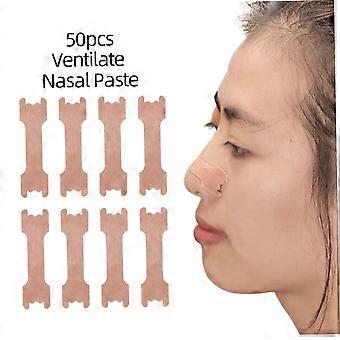
Professional adhesive engineers recognize that peel strength optimization extends beyond simple adhesion measurements to encompass user comfort, product longevity, and regulatory compliance. The challenge involves creating adhesive systems that maintain consistent performance across diverse environmental conditions, skin types, and usage scenarios while meeting stringent safety standards for direct skin contact applications.
Fundamentals of Adhesive Peel Strength Engineering
Molecular Adhesion Mechanisms in Medical Applications
Understanding the molecular foundations of adhesive bonding enables engineers to develop sophisticated peel strength optimization strategies for nasal strip applications. Van der Waals forces, hydrogen bonding, and mechanical interlocking contribute to overall adhesion performance, with each mechanism playing distinct roles depending on surface characteristics and environmental conditions. These molecular interactions must be precisely controlled to achieve predictable peel strength values that ensure reliable product function.
Surface energy matching between adhesive formulations and human skin represents a fundamental principle in medical adhesive design. Engineers must consider the natural variation in skin surface properties, including sebum production, moisture content, and micro-texture variations that influence adhesive performance. Successful peel strength optimization requires comprehensive characterization of these substrate variables to develop robust adhesive systems.
Quantitative Measurement Standards and Protocols
Standardized testing methodologies provide the foundation for reliable peel strength optimization in industrial adhesive development. ASTM D3330 and similar protocols establish consistent measurement parameters that enable comparative analysis across different formulations and manufacturing batches. These standards specify critical variables including peel angle, removal speed, and environmental conditions that significantly impact measured adhesion values.
Advanced testing equipment incorporates real-time data acquisition systems that capture detailed force profiles during peel testing procedures. This comprehensive data collection enables engineers to identify adhesion characteristics that correlate with user experience factors such as removal comfort and residue formation. Modern peel strength optimization leverages these detailed measurements to refine adhesive formulations systematically.
Advanced Adhesive Chemistry for Nasal Strip Applications
Polymer Selection and Modification Strategies
Strategic polymer selection forms the cornerstone of effective peel strength optimization for medical adhesive applications. Acrylic-based polymers offer excellent biocompatibility combined with tunable adhesion characteristics that enable precise performance control. These materials can be modified through copolymerization techniques that adjust molecular weight distribution, crosslinking density, and functional group incorporation to achieve desired peel strength profiles.
Silicone-based adhesive systems provide alternative solutions for sensitive skin applications where gentle removal characteristics take precedence over maximum holding power. These materials exhibit inherent low surface energy properties that facilitate clean removal while maintaining sufficient adhesion for functional requirements. Peel strength optimization with silicone systems requires careful balance of catalyst systems and crosslinking mechanisms to achieve optimal performance characteristics.
Tackifying Agent Integration and Performance Enhancement
Tackifying resins play crucial roles in peel strength optimization by modifying the viscoelastic properties of adhesive formulations. Rosin-based tackifiers provide excellent initial tack development while maintaining removability characteristics essential for comfortable user experience. The molecular weight and softening point of these additives directly influence the final peel strength values achieved in production formulations.
Synthetic hydrocarbon tackifiers offer enhanced stability and consistency compared to natural alternatives, enabling more predictable peel strength optimization outcomes. These materials resist oxidation and thermal degradation that can compromise adhesive performance during storage and use. Strategic selection of tackifying agents allows formulators to fine-tune adhesion profiles while maintaining long-term stability requirements.
Manufacturing Process Optimization for Consistent Peel Strength
Coating Technology and Uniformity Control
Precision coating technologies ensure consistent adhesive distribution that directly impacts peel strength optimization outcomes across production batches. Gravure coating systems provide exceptional thickness control and uniformity that minimize performance variations in finished products. The relationship between coating weight and peel strength follows predictable patterns that enable process engineers to establish reliable production parameters.
Hot-melt coating processes require careful temperature management to prevent adhesive degradation while ensuring complete substrate wetting. Thermal history effects can significantly influence final peel strength values, making process monitoring and control essential components of successful manufacturing operations. Advanced process control systems integrate real-time feedback mechanisms that maintain optimal coating conditions throughout production runs.
Curing and Crosslinking Parameter Management
Controlled crosslinking reactions enable precise peel strength optimization through systematic modification of adhesive network structures. UV-initiated crosslinking provides rapid processing capabilities while offering excellent control over final adhesive properties. The degree of crosslinking directly correlates with peel strength values, enabling formulators to achieve specific performance targets through process parameter adjustment.
Thermal curing protocols require careful management of temperature profiles and residence times to achieve optimal crosslinking without causing adhesive degradation. Excessive crosslinking can result in brittle failure modes that compromise user comfort, while insufficient crosslinking may lead to cohesive failure and residue formation. Successful peel strength optimization balances these competing requirements through systematic process development.
Quality Control and Testing Methodologies
Statistical Process Control Implementation
Robust quality control systems incorporate statistical analysis methods that ensure consistent peel strength optimization across production volumes. Control chart methodologies identify process variations before they impact product performance, enabling proactive adjustments that maintain specification compliance. These systems integrate multiple measurement points throughout the manufacturing process to provide comprehensive performance monitoring.
Sampling protocols must account for natural variation in raw materials and processing conditions to provide representative assessment of peel strength characteristics. Statistical sampling plans balance testing costs with confidence levels required for regulatory compliance and customer satisfaction. Advanced quality systems utilize predictive modeling techniques that anticipate performance trends based on historical data analysis.
Accelerated Aging and Stability Assessment
Comprehensive stability testing protocols evaluate long-term peel strength optimization performance under various storage and use conditions. Accelerated aging studies provide rapid assessment of adhesive stability while predicting real-world performance characteristics. These evaluations must consider the effects of temperature, humidity, and UV exposure on adhesive properties over extended time periods.
Shelf-life determination requires correlation of accelerated test results with real-time aging data to establish reliable product dating protocols. Peel strength optimization must account for acceptable performance ranges throughout the intended product lifespan while maintaining safety margins for user comfort and product efficacy. These assessments inform packaging requirements and storage recommendations for optimal product performance.
Regulatory Compliance and Safety Considerations
Biocompatibility Testing Requirements
Medical device regulations mandate comprehensive biocompatibility assessment for adhesive materials intended for direct skin contact applications. ISO 10993 testing protocols evaluate cytotoxicity, sensitization potential, and irritation characteristics that directly relate to peel strength optimization objectives. These evaluations ensure that adhesive formulations meet safety requirements while delivering desired performance characteristics.
Patch testing protocols assess skin compatibility under controlled conditions that simulate actual use scenarios. These studies evaluate both immediate reactions and delayed sensitivity responses that could compromise user acceptance. Successful peel strength optimization must balance adhesion performance with demonstrated safety profiles that support regulatory approval processes.
Documentation and Traceability Systems
Comprehensive documentation systems support regulatory compliance while enabling continuous improvement of peel strength optimization processes. Batch records must include detailed formulation information, process parameters, and quality control data that demonstrate consistent manufacturing practices. These records provide essential traceability for regulatory audits and customer quality requirements.
Change control procedures ensure that modifications to adhesive formulations or manufacturing processes undergo appropriate evaluation before implementation. These systems prevent unintended impacts on peel strength optimization while facilitating systematic product improvements. Effective change control balances innovation opportunities with regulatory compliance and product consistency requirements.
FAQ
What factors most significantly influence peel strength optimization in nasal strip adhesives
The primary factors affecting peel strength optimization include adhesive polymer selection, tackifier content, coating thickness, and crosslinking density. Environmental conditions such as temperature and humidity also play crucial roles in determining final adhesion performance. Substrate preparation and surface energy matching between the adhesive and skin significantly impact both initial adhesion and removal characteristics.
How do manufacturers ensure consistent peel strength across production batches
Consistent peel strength optimization requires robust process control systems that monitor critical parameters including coating weight, curing temperature, and raw material specifications. Statistical process control methods identify variations before they impact product performance, while comprehensive testing protocols verify that each batch meets established performance criteria. Regular calibration of testing equipment and standardized sample preparation procedures ensure measurement reliability.
What testing methods provide the most reliable peel strength measurements
ASTM D3330 and similar standardized protocols provide the most reliable framework for peel strength optimization assessment. These methods specify critical parameters including peel angle, removal speed, and environmental conditions that ensure reproducible results. Advanced testing equipment with real-time data acquisition capabilities provides detailed force profiles that enable comprehensive analysis of adhesive performance characteristics.
How does skin variation affect peel strength optimization requirements
Natural variation in skin properties including surface energy, moisture content, and texture significantly impacts adhesive performance requirements. Successful peel strength optimization must account for these variations through formulation strategies that provide consistent performance across diverse user populations. Clinical testing on representative skin types ensures that adhesive systems deliver reliable performance while maintaining comfort and safety standards for all intended users.
One-Stop Custom Tape & Patch Supplier, Fully Certified & Safety Guaranteed
Name: Vicky Zhou
Call/Text: +86 198 0595 7675
Email: [email protected]
Website:https://www.hlktape.com
YouTube:https://www.youtube.com/@HLKTape