 EN
EN


Promoting Nasal Breathing Through Mouth Tape Design
The science of sleep optimization has increasingly focused on breathing patterns, with mouth tape design emerging as a revolutionary solution for promoting healthier nighttime respiration. Modern sleep specialists recognize that nasal breathing during sleep offers significant advantages over mouth breathing, including improved oxygen absorption, enhanced sleep quality, and reduced snoring incidents. The strategic development of mouth tape design has transformed this concept from a simple adhesive solution into a sophisticated sleep enhancement tool that addresses multiple physiological needs while ensuring comfort and safety throughout the night.

Contemporary mouth tape design incorporates advanced materials and ergonomic principles to create products that effectively encourage nasal breathing without compromising user comfort or safety. The evolution of these designs reflects a deep understanding of facial anatomy, skin sensitivity, and the physiological requirements for optimal sleep breathing patterns. Healthcare professionals and sleep researchers continue to refine mouth tape design approaches, leading to innovative solutions that cater to diverse user needs and preferences while maintaining the core objective of promoting natural nasal breathing habits.
Understanding the Physiology Behind Nasal Breathing Benefits
Respiratory Efficiency and Oxygen Optimization
Nasal breathing provides superior respiratory efficiency compared to mouth breathing due to the natural filtration and conditioning processes that occur within the nasal passages. The nasal cavity warms, humidifies, and filters incoming air, creating optimal conditions for gas exchange in the lungs. Advanced mouth tape design leverages this physiological advantage by gently encouraging users to maintain nasal breathing patterns throughout their sleep cycles, resulting in improved oxygen saturation and enhanced overall respiratory function.
The nitric oxide production that occurs during nasal breathing represents another significant benefit that mouth tape design helps preserve during sleep. This naturally occurring gas acts as a vasodilator, improving blood circulation and enhancing oxygen delivery to vital organs. When mouth tape design effectively maintains nasal breathing patterns, users experience the full benefits of nitric oxide production, contributing to better cardiovascular health and improved sleep quality.
Sleep Quality Enhancement Through Proper Breathing
Research demonstrates that individuals who maintain nasal breathing during sleep experience deeper, more restorative sleep phases compared to mouth breathers. The strategic application of mouth tape design helps maintain these beneficial breathing patterns by creating a gentle reminder for the respiratory system to utilize nasal pathways. This approach supports natural sleep architecture, allowing for proper progression through REM and deep sleep stages that are essential for physical recovery and cognitive restoration.
The relationship between breathing patterns and sleep quality extends beyond simple oxygen delivery, encompassing nervous system regulation and stress hormone management. Effective mouth tape design facilitates the parasympathetic nervous system activation that occurs during nasal breathing, promoting relaxation and supporting the body's natural sleep mechanisms. This physiological response contributes to reduced sleep fragmentation and improved morning alertness, making mouth tape design an valuable tool for comprehensive sleep optimization.
Material Innovation in Modern Mouth Tape Design
Hypoallergenic Adhesive Technologies
Contemporary mouth tape design incorporates advanced hypoallergenic adhesive technologies that provide secure adherence while minimizing skin irritation and allergic reactions. These innovative materials undergo rigorous dermatological testing to ensure compatibility with sensitive skin types, making mouth tape design accessible to a broader range of users. The development of medical-grade adhesives specifically for mouth tape design applications has revolutionized the user experience, providing reliable performance without the discomfort associated with traditional adhesive products.
The breathability characteristics of modern adhesive formulations represent a significant advancement in mouth tape design engineering. These materials allow for natural skin respiration while maintaining adhesive integrity throughout extended wear periods. The strategic integration of microporous structures in mouth tape design ensures that users can comfortably wear the product for entire sleep cycles without experiencing skin maceration or excessive moisture buildup that could compromise adhesive performance or user comfort.
Ergonomic Shape Considerations
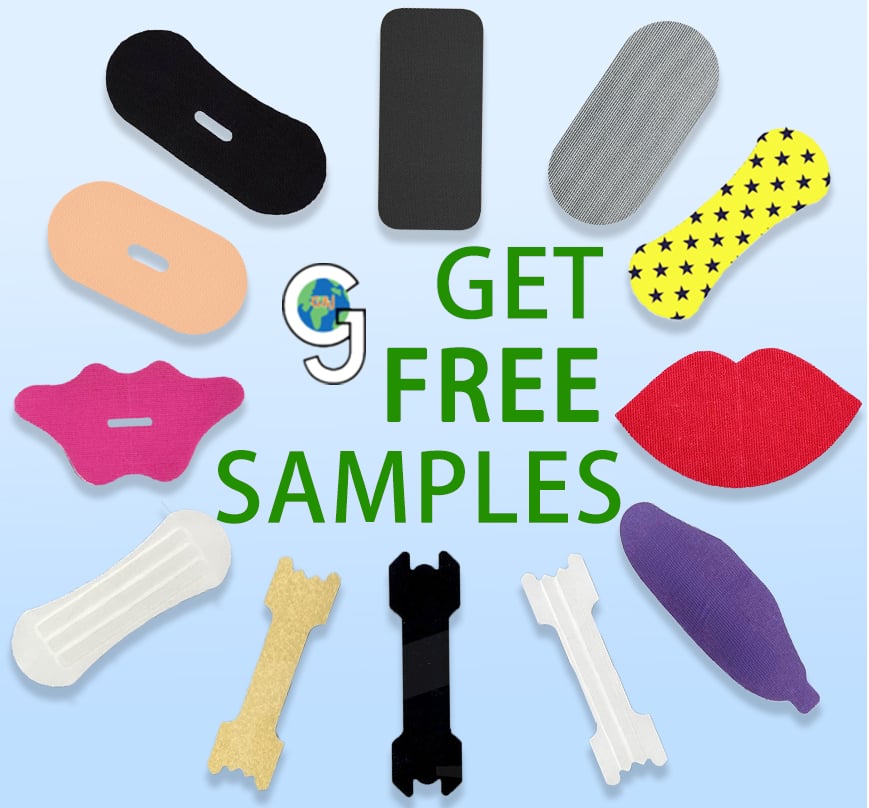
The geometric aspects of mouth tape design play a crucial role in both effectiveness and user acceptance. Modern designs incorporate anatomical research to create shapes that conform naturally to facial contours while providing optimal coverage for mouth breathing prevention. The lip-shaped configurations found in advanced mouth tape design products represent the pinnacle of this ergonomic approach, offering enhanced comfort and improved adherence compared to traditional rectangular formats.
The size optimization in mouth tape design requires careful balance between coverage area and user comfort. Oversized designs may cause discomfort or anxiety, while undersized products might not effectively prevent mouth breathing. Contemporary mouth tape design utilizes anthropometric data to establish optimal dimensions that accommodate diverse facial structures while maintaining consistent performance across different user populations. This scientific approach to sizing ensures that mouth tape design products deliver reliable results regardless of individual anatomical variations.
Safety Protocols and User Guidelines
Proper Application Techniques
The effectiveness of mouth tape design depends significantly on proper application techniques that ensure secure adherence while maintaining user safety and comfort. Users should begin by cleansing the perioral area to remove oils, lotions, or other substances that might interfere with adhesive performance. The strategic placement of mouth tape design products requires gentle but firm pressure to activate the adhesive bond while avoiding excessive force that could cause skin irritation or discomfort during removal.
Temperature considerations play an important role in mouth tape design application success. The adhesive properties of most mouth tape design products are optimized for body temperature activation, meaning that the tape should be applied at room temperature and allowed to warm naturally against the skin. This approach ensures optimal adhesive performance while preventing the discomfort that can result from temperature shock or inadequate adhesive activation during the initial application process.
Contraindications and Precautions
While mouth tape design offers significant benefits for many users, certain medical conditions and circumstances require careful consideration before implementation. Individuals with nasal congestion, deviated septum, or other nasal airway obstructions should consult healthcare professionals before using mouth tape design products. The safety profile of mouth tape design depends on the user's ability to breathe effectively through nasal passages, making pre-existing respiratory conditions important factors in determining product suitability.
Sleep disorders such as sleep apnea require specialized medical evaluation before incorporating mouth tape design into treatment regimens. While some research suggests potential benefits for certain types of sleep-disordered breathing, the complex nature of these conditions necessitates professional medical guidance to ensure that mouth tape design use aligns with comprehensive treatment strategies. Healthcare providers can assess individual risk factors and determine whether mouth tape design represents an appropriate addition to existing therapeutic approaches.
Clinical Research and Evidence Base
Sleep Study Findings
Polysomnographic studies examining the effects of mouth tape design on sleep parameters have revealed significant improvements in sleep efficiency and respiratory stability among users who successfully transition to nasal breathing patterns. These clinical investigations demonstrate that proper mouth tape design implementation can reduce sleep fragmentation associated with mouth breathing while promoting more consistent oxygen saturation levels throughout the night. The objective measurements obtained through sleep laboratory studies provide compelling evidence for the physiological benefits of mouth tape design interventions.
Long-term follow-up studies of mouth tape design users reveal sustained improvements in subjective sleep quality measures, including reduced morning grogginess, improved daytime alertness, and decreased fatigue levels. These outcomes suggest that the benefits of mouth tape design extend beyond immediate respiratory improvements to encompass broader aspects of sleep health and daytime functioning. The consistency of these findings across diverse study populations strengthens the evidence base supporting mouth tape design as an effective sleep optimization strategy.
Comparative Effectiveness Research
Comparative studies examining different mouth tape design approaches have identified key factors that influence product effectiveness and user satisfaction. Research comparing various adhesive formulations, shape configurations, and material compositions provides valuable insights for optimizing mouth tape design parameters to meet diverse user needs. These investigations reveal that personalized mouth tape design selection based on individual anatomical and preference factors significantly improves compliance and therapeutic outcomes.
The integration of mouth tape design with other sleep optimization strategies has been examined through controlled clinical trials that assess synergistic effects and potential interactions. Studies combining mouth tape design with sleep position therapy, nasal dilators, and environmental modifications demonstrate enhanced overall effectiveness compared to isolated interventions. These findings support the concept of comprehensive sleep optimization approaches that incorporate mouth tape design as one component of multifaceted therapeutic strategies.
Market Trends and Consumer Preferences
Demographic Usage Patterns
Market research reveals distinct demographic patterns in mouth tape design adoption, with usage rates varying significantly across age groups, geographic regions, and lifestyle factors. Younger adults demonstrate higher acceptance rates for mouth tape design products, often incorporating them into broader wellness and biohacking routines. This demographic trend reflects growing awareness of sleep optimization strategies and willingness to experiment with innovative approaches to health enhancement through mouth tape design implementation.
Professional athletes and fitness enthusiasts represent a rapidly growing segment of the mouth tape design market, driven by recognition of the performance benefits associated with improved sleep quality and respiratory efficiency. This population values the recovery enhancement and performance optimization potential of mouth tape design, leading to increased adoption rates and positive word-of-mouth marketing within athletic communities. The influence of high-profile endorsements and social media discussions has further accelerated mouth tape design awareness among fitness-oriented consumers.
Product Differentiation Strategies
Manufacturers of mouth tape design products have implemented various differentiation strategies to capture market share in this rapidly expanding sector. Premium positioning based on advanced materials, clinical research backing, and superior comfort features represents one successful approach to mouth tape design marketing. These premium products often incorporate innovative adhesive technologies, ergonomic design elements, and comprehensive user education resources to justify higher price points and build brand loyalty.
Customization options in mouth tape design have emerged as another significant differentiator, with manufacturers offering personalized sizing, adhesive strength variations, and aesthetic customizations to meet individual preferences. This approach to mouth tape design marketing recognizes the diverse needs and preferences of users while building stronger emotional connections between consumers and brands. The success of customized mouth tape design products demonstrates the value of user-centric approaches in this competitive market segment.
Future Developments and Innovation Opportunities
Smart Technology Integration
The integration of smart technology with mouth tape design represents an exciting frontier for sleep optimization innovation. Conceptual designs incorporating sensors that monitor breathing patterns, sleep position, and physiological parameters could provide real-time feedback on mouth tape design effectiveness while collecting valuable data for continuous improvement. These advanced systems would enable personalized optimization of mouth tape design parameters based on individual response patterns and sleep characteristics.
Connectivity features in future mouth tape design products could enable integration with comprehensive sleep tracking ecosystems, providing users with detailed insights into the relationship between nasal breathing promotion and overall sleep quality. The potential for artificial intelligence algorithms to analyze mouth tape design usage patterns and provide personalized recommendations represents a significant opportunity for enhancing user outcomes while building stronger engagement with sleep optimization programs.
Sustainable Material Development
Environmental sustainability concerns are driving innovation in mouth tape design materials, with manufacturers exploring biodegradable adhesives and recyclable backing materials that maintain performance standards while reducing ecological impact. The development of plant-based adhesive formulations specifically for mouth tape design applications represents a promising avenue for meeting growing consumer demand for environmentally responsible products without compromising effectiveness or safety.
Circular economy principles are being applied to mouth tape design packaging and distribution systems, with initiatives focused on reducing waste generation and promoting reusable components where appropriate. These sustainability-focused approaches to mouth tape design development align with broader consumer trends toward environmental responsibility while potentially reducing manufacturing costs and improving brand positioning in environmentally conscious market segments.
FAQ
How long does it take to adapt to using mouth tape design products
Most users adapt to mouth tape design products within three to seven nights of consistent use, though individual adaptation periods may vary based on existing breathing habits and nasal airway function. The key to successful adaptation lies in gradual introduction, starting with shorter wear periods during daytime rest or meditation before progressing to full nighttime use. Users should expect some initial awareness of the mouth tape design during the first few nights, but this sensation typically diminishes as nasal breathing patterns become more established and natural.
Can mouth tape design products be used with other sleep aids
Mouth tape design products are generally compatible with most sleep aids and optimization strategies, including sleep masks, earplugs, and positional therapy devices. However, users should exercise caution when combining mouth tape design with nasal strips or dilators, as the simultaneous use of multiple nasal breathing aids may cause discomfort or interfere with natural respiratory patterns. Consultation with healthcare providers is recommended when integrating mouth tape design into existing treatment regimens for sleep disorders or respiratory conditions.
What should users do if they experience skin irritation from mouth tape design products
Skin irritation from mouth tape design products typically indicates either allergic sensitivity to adhesive components or excessive adhesive strength for individual skin characteristics. Users experiencing irritation should discontinue use temporarily and consider switching to hypoallergenic mouth tape design formulations specifically designed for sensitive skin. Proper skin preparation, including thorough cleansing and ensuring the area is completely dry before application, can help minimize irritation risks while maintaining effective mouth tape design performance.
Are there specific facial anatomy considerations that affect mouth tape design effectiveness
Individual facial anatomy variations, including lip size, beard presence, and facial hair density, can significantly influence mouth tape design effectiveness and comfort. Users with fuller lips may benefit from larger mouth tape design configurations, while those with facial hair should ensure proper adhesive contact by trimming hair in the application area or selecting products specifically designed for use with facial hair. Anatomical factors such as jaw position and dental work may also affect optimal mouth tape design placement and should be considered during product selection and application technique development.
One-Stop Custom Tape & Patch Supplier, Fully Certified & Safety Guaranteed
Name: Vicky Zhou
Call/Text: +86 198 0595 7675
Email: [email protected]
Website:https://www.hlktape.com
YouTube:https://www.youtube.com/@HLKTape