
 EN
EN


Building a Reliable After-Sales System for NasalStrips
Establishing a comprehensive after-sales system for nasal strips requires careful consideration of customer needs, product performance monitoring, and continuous support mechanisms. Companies manufacturing nasal strips must develop robust frameworks that address customer inquiries, product effectiveness concerns, and long-term satisfaction metrics. The success of any nasal strips business depends not only on the initial product quality but also on the ongoing relationship with customers who rely on these breathing aids for improved sleep and respiratory comfort.
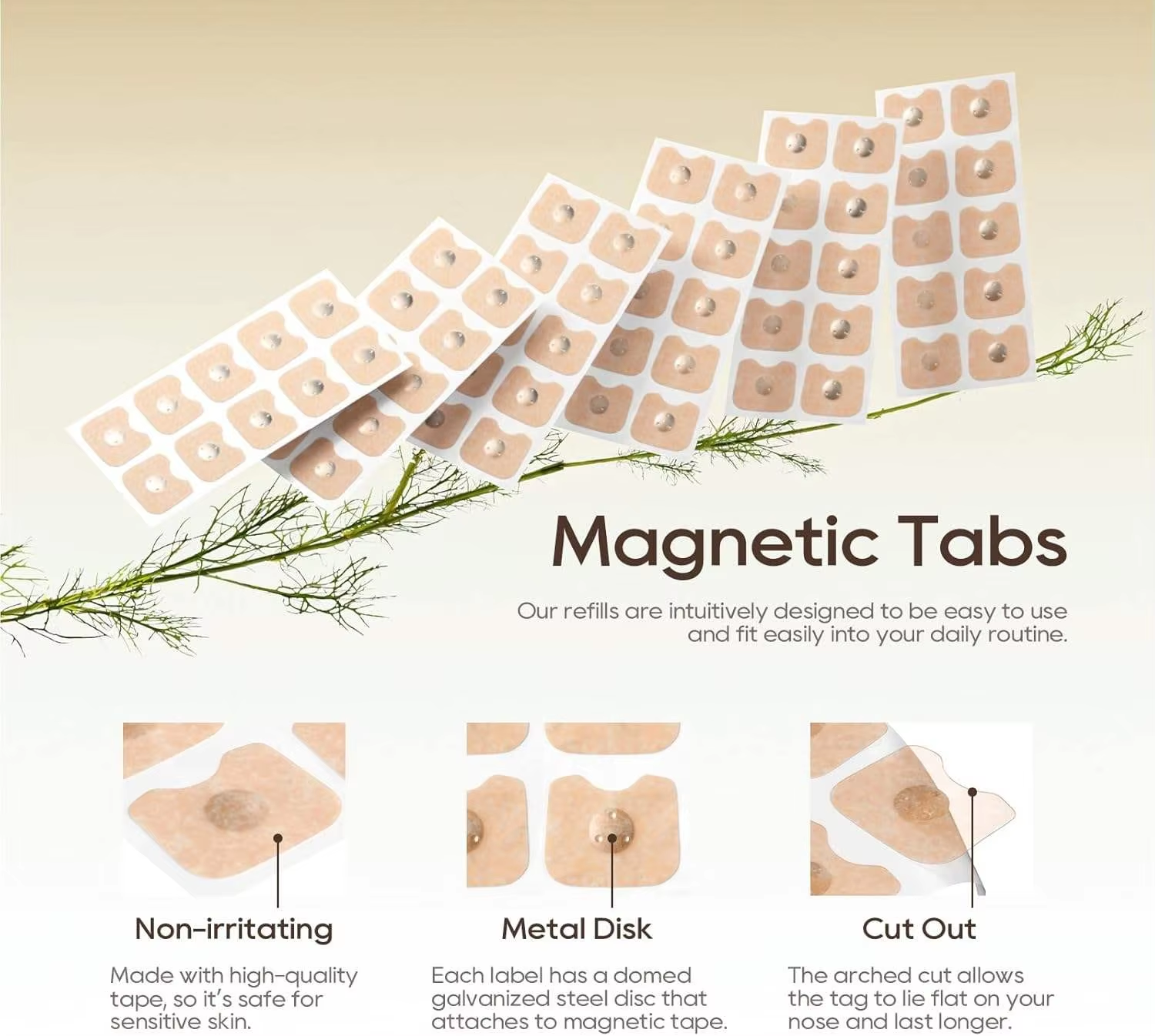
Foundation Elements of After-Sales Support
Customer Service Infrastructure Development
Building an effective customer service infrastructure for nasal strips begins with establishing multiple communication channels that accommodate diverse customer preferences. Modern consumers expect immediate responses through various platforms including phone support, email assistance, live chat functionality, and social media engagement. The infrastructure must be staffed with knowledgeable representatives who understand the technical aspects of nasal strips, their application methods, and common usage challenges that customers may encounter during their experience with the product.
Training programs for customer service representatives should cover the anatomical considerations of nasal strip placement, the materials science behind adhesive properties, and the physiological benefits that users experience. Representatives need comprehensive knowledge about different nasal strips variants, sizing recommendations, and compatibility with various skin types to provide accurate guidance. This expertise enables them to address technical questions about product performance, adhesion duration, and optimal placement techniques that maximize the effectiveness of nasal strips for individual users.
Quality Assurance and Feedback Collection
Implementing systematic quality assurance processes ensures that nasal strips maintain consistent performance standards throughout their lifecycle. Regular feedback collection mechanisms should capture user experiences, including comfort levels, adhesion effectiveness, and overall satisfaction with breathing improvement results. This feedback becomes invaluable for identifying potential product improvements and addressing recurring issues that customers encounter with nasal strips applications in real-world conditions.
Structured surveys and follow-up communications help manufacturers understand how nasal strips perform across different demographic groups, seasonal variations, and usage patterns. The data collected through these channels provides insights into product durability, skin compatibility, and effectiveness variations that may not be apparent during initial testing phases. This information directly contributes to product development decisions and helps establish realistic expectations for new customers considering nasal strips as a breathing aid solution.
Technical Support and Education Programs
Application Guidance and Best Practices
Comprehensive technical support for nasal strips includes detailed application guidance that addresses proper placement techniques, skin preparation requirements, and optimal timing for application. Many users initially struggle with achieving consistent results from nasal strips due to improper application methods or inadequate understanding of positioning principles. Educational materials should include visual guides, video demonstrations, and step-by-step instructions that help users maximize the benefits of their nasal strips investment.
Best practices documentation should cover pre-application skin cleaning procedures, proper strip alignment with nasal anatomy, and techniques for ensuring secure adhesion without causing skin irritation. Users need clear guidance on how long to wear nasal strips, appropriate removal methods, and post-use care recommendations. This educational approach reduces customer frustration and increases satisfaction rates by helping users achieve optimal results from their nasal strips consistently.
Troubleshooting and Problem Resolution
Developing comprehensive troubleshooting protocols helps address common issues that users encounter with nasal strips, including adhesion problems, skin sensitivity reactions, and inconsistent breathing improvement results. Support teams must be equipped with systematic diagnostic approaches that help identify the root causes of customer concerns and provide targeted solutions. This includes understanding individual anatomical variations that may affect nasal strips effectiveness and recommending appropriate adjustments or alternative approaches.
Problem resolution procedures should include escalation pathways for complex technical issues, replacement policies for defective products, and alternative product recommendations when standard nasal strips may not be suitable for specific customer needs. Support representatives need access to comprehensive databases that track customer history, previous interactions, and resolution outcomes to ensure continuity in service delivery and avoid repeated troubleshooting of similar issues.
Customer Relationship Management Strategies
Personalized Support Approaches
Personalized support strategies recognize that nasal strips users have diverse needs, preferences, and anatomical considerations that influence their experience with the product. Customer relationship management systems should capture individual usage patterns, effectiveness feedback, and personal preferences to enable customized support interactions. This approach helps build stronger relationships with customers who rely on nasal strips for consistent breathing improvement and sleep quality enhancement.
Personalization extends beyond basic demographic information to include detailed usage tracking, seasonal preference variations, and individual response patterns to different nasal strips configurations. This data enables support teams to provide targeted recommendations, proactive maintenance reminders, and personalized troubleshooting assistance that addresses specific customer circumstances rather than generic solutions that may not be applicable to individual situations.
Loyalty Programs and Long-Term Engagement
Implementing loyalty programs specifically designed for nasal strips users encourages long-term engagement and provides additional value beyond the primary product benefits. These programs can include subscription services that ensure consistent supply availability, educational content updates about breathing health, and access to new product innovations before general market release. Loyalty initiatives help maintain ongoing relationships with satisfied customers while providing platforms for continuous feedback collection.
Long-term engagement strategies should include periodic check-ins to assess continued satisfaction with nasal strips performance, opportunities for product education updates, and invitations to participate in beta testing programs for new features or improvements. This approach transforms one-time purchasers into committed brand advocates who provide valuable insights for product development while maintaining consistent usage patterns that support business sustainability.
Performance Monitoring and Continuous Improvement
Metrics and Key Performance Indicators
Establishing meaningful metrics for after-sales performance requires tracking multiple indicators that reflect both immediate customer satisfaction and long-term success with nasal strips usage. Key performance indicators should include response time metrics for customer inquiries, resolution rates for technical issues, customer retention rates, and overall satisfaction scores specific to nasal strips effectiveness. These metrics provide quantitative foundations for evaluating after-sales system performance and identifying improvement opportunities.
Advanced metrics might include correlation analyses between customer demographics and nasal strips effectiveness, seasonal variation patterns in support requests, and trending issues that may indicate product design or manufacturing considerations. Regular analysis of these metrics helps identify systematic patterns that inform both immediate operational adjustments and strategic product development decisions that enhance overall customer experience with nasal strips products.
Feedback Integration and Product Development
Systematic integration of customer feedback into product development processes ensures that after-sales insights contribute directly to product improvements and innovation initiatives. Customer experiences with nasal strips provide real-world performance data that may not be captured through laboratory testing or clinical trials. This feedback helps identify opportunities for material improvements, design modifications, and feature enhancements that address actual user needs and preferences.
Feedback integration processes should include regular communication channels between after-sales teams and product development groups, systematic documentation of customer suggestions and concerns, and structured evaluation processes for implementing customer-driven improvements. This approach ensures that nasal strips evolution reflects actual user needs while maintaining the technical performance characteristics that make these products effective for breathing improvement applications.
Technology Integration and Digital Solutions
Digital Platform Development
Modern after-sales systems for nasal strips benefit significantly from integrated digital platforms that provide customers with self-service options, educational resources, and tracking capabilities for their product usage patterns. Mobile applications and web portals can offer personalized dashboards that help users monitor their experience with nasal strips, track effectiveness patterns, and access troubleshooting resources without requiring direct customer service interaction for routine questions or concerns.
Digital solutions should include comprehensive databases of frequently asked questions, video tutorials for proper nasal strips application techniques, and interactive tools that help users optimize their experience with the product. These platforms can also facilitate community features where experienced users share tips and experiences with nasal strips, creating peer-to-peer support networks that complement formal customer service channels and provide additional value to the user community.
Automated Support Systems
Implementing automated support systems helps manage routine inquiries about nasal strips while ensuring that complex technical issues receive appropriate human attention. Chatbot technologies can handle initial customer interactions, provide basic troubleshooting guidance, and collect preliminary information that helps human representatives provide more targeted assistance when needed. Automation also enables 24-hour availability for basic support functions, addressing customer needs outside traditional business hours.
Automated systems should be designed with escalation protocols that recognize when customer inquiries require human expertise, particularly for complex technical issues related to nasal strips performance or individual anatomical considerations. The integration between automated and human support channels should be seamless, ensuring that customers experience continuous service quality regardless of which support method they initially contact for assistance with their nasal strips concerns.
FAQ
How should companies handle customer complaints about nasal strips adhesion issues?
Companies should approach adhesion complaints systematically by first gathering detailed information about application methods, skin preparation, and environmental conditions during use. Support representatives should guide customers through proper application techniques and recommend skin preparation strategies that improve adhesion. If issues persist after proper application guidance, companies should investigate potential product defects and offer replacements or alternative solutions that better match individual customer needs and skin characteristics.
What training do customer service representatives need for nasal strips support?
Customer service representatives require comprehensive training covering nasal anatomy basics, adhesive technology principles, and proper application techniques for nasal strips. Training should include hands-on experience with the products, common troubleshooting scenarios, and clear protocols for escalating technical issues beyond basic support capabilities. Representatives also need education about individual variation in nasal strip effectiveness and appropriate ways to set realistic customer expectations while maintaining positive support relationships.
How can companies measure the effectiveness of their nasal strips after-sales programs?
Effectiveness measurement requires tracking multiple metrics including customer satisfaction scores, repeat purchase rates, and resolution times for technical support requests. Companies should also monitor customer retention rates, referral patterns, and feedback trends that indicate overall satisfaction with nasal strips performance. Regular surveys and follow-up communications provide qualitative insights that complement quantitative metrics, helping companies understand both immediate customer needs and long-term satisfaction with their nasal strips products and support services.
What role does customer education play in nasal strips after-sales success?
Customer education serves as a foundation for successful nasal strips usage and reduces the need for reactive customer service interventions. Comprehensive educational programs help users achieve consistent results, understand proper application techniques, and set appropriate expectations for product performance. Well-educated customers experience fewer usage problems, report higher satisfaction levels, and are more likely to recommend nasal strips to others, creating positive word-of-mouth marketing while reducing support costs through proactive problem prevention rather than reactive issue resolution.
One-Stop Custom Tape & Patch Supplier, Fully Certified & Safety Guaranteed
Name: Vicky Zhou
Call/Text: +86 198 0595 7675
Email: [email protected]
Website:https://www.hlktape.com
YouTube:https://www.youtube.com/@HLKTape