
 EN
EN


Testing Standards for OEM NasalStrip Manufacturing
Manufacturing high-quality nasal strips requires adherence to stringent testing standards that ensure both safety and effectiveness for end users. Original Equipment Manufacturers (OEMs) must implement comprehensive quality control protocols throughout the production process to meet regulatory requirements and maintain consumer trust. The complexity of nasal strips manufacturing involves multiple material components, adhesive formulations, and structural designs that must work harmoniously to provide optimal breathing enhancement. Testing standards serve as the foundation for consistent product quality, helping manufacturers identify potential issues before products reach the market.
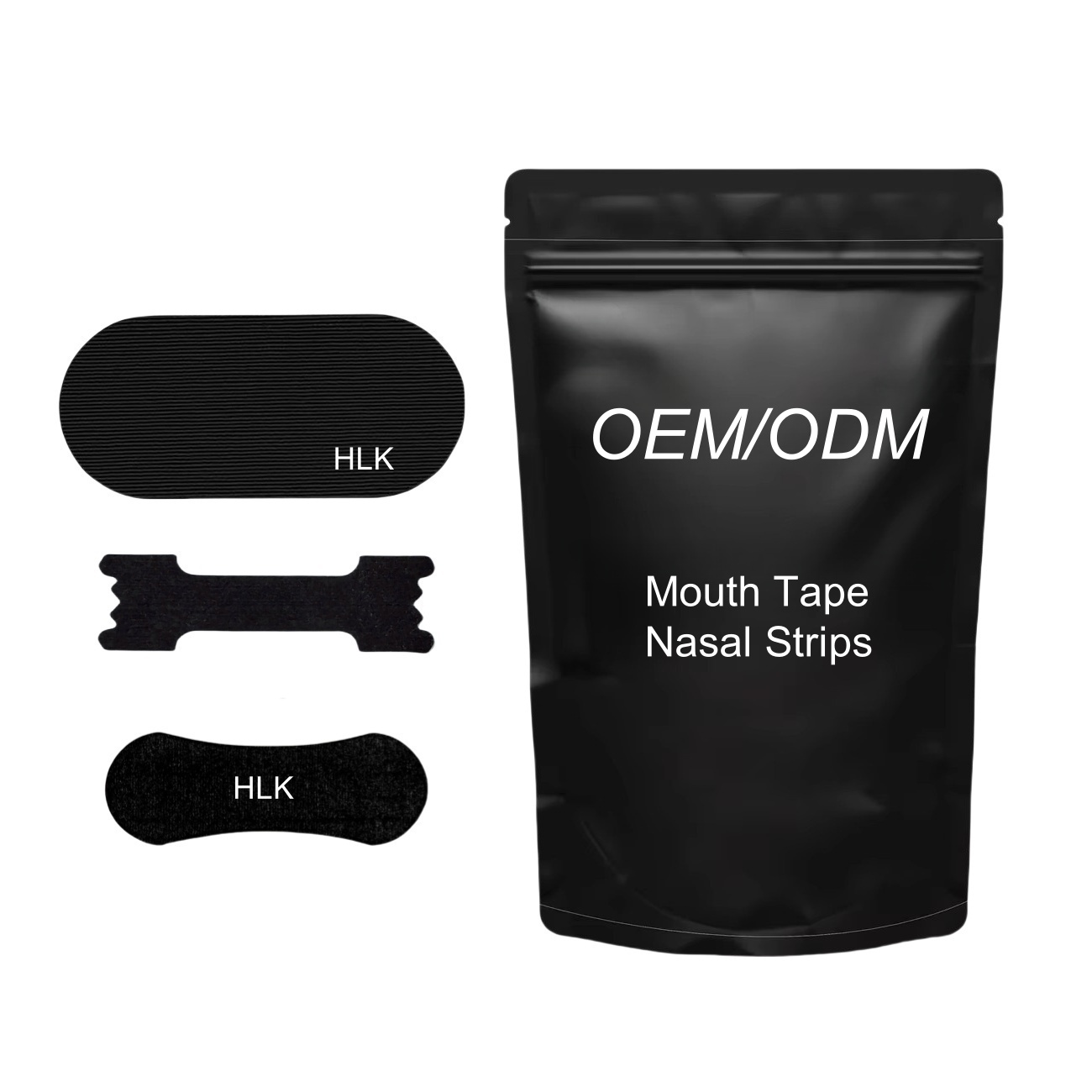
Material Composition Testing for Nasal Strip Components
Adhesive Performance Evaluation
The adhesive layer of nasal strips undergoes rigorous testing to determine its bonding strength, skin compatibility, and removal characteristics. Manufacturers conduct peel adhesion tests using standardized equipment that measures the force required to remove the strip from various surface types including synthetic skin models and human volunteer studies. Temperature and humidity variations are simulated during testing to ensure consistent performance across different environmental conditions. Aging tests evaluate how adhesive properties change over time, particularly when exposed to varying storage conditions that products may encounter during distribution and retail.
Cytotoxicity testing ensures that adhesive materials do not cause cellular damage when in contact with human skin. This involves exposing cell cultures to adhesive extracts and monitoring for any toxic reactions over specified time periods. Additional biocompatibility assessments include skin sensitization studies using guinea pig models or alternative testing methods that evaluate potential allergic reactions. The adhesive must maintain its holding power while remaining gentle enough for safe removal without causing skin irritation or damage.
Substrate Material Analysis
The flexible substrate that forms the backbone of nasal strips requires comprehensive mechanical testing to verify tensile strength, elongation properties, and fatigue resistance. Manufacturers perform stress-strain analyses to determine optimal thickness and material composition that provides adequate lifting force while maintaining comfort during extended wear. Breathability tests measure moisture vapor transmission rates to ensure the substrate allows proper skin ventilation and prevents moisture accumulation that could compromise adhesive performance.
Chemical composition analysis verifies that substrate materials contain no harmful substances and comply with relevant safety regulations. Gas chromatography-mass spectrometry testing identifies any volatile organic compounds that might be present in the material. UV stability testing exposes samples to accelerated aging conditions to simulate long-term storage effects and ensure material integrity remains intact throughout the product's shelf life.
Functional Performance Testing Protocols
Nasal Passage Opening Effectiveness
Functional testing of nasal strips involves measuring their ability to physically open nasal passages and improve airflow. Manufacturers utilize rhinomanometry equipment to quantify changes in nasal resistance before and after strip application on test subjects. These measurements provide objective data on the degree of nasal passage dilation achieved by different strip designs and sizes. Computational fluid dynamics modeling supplements physical testing by simulating airflow patterns through nasal cavities with and without strip application.
Clinical trials involving volunteer participants provide real-world performance data under controlled conditions. Participants wear nasal strips during various activities including sleep, exercise, and normal daily routines while researchers monitor breathing patterns and subjective comfort ratings. Sleep study evaluations using polysomnography equipment measure changes in respiratory parameters including airflow rates, oxygen saturation levels, and snoring frequency when participants use nasal strips during overnight testing sessions.
Durability and Wear Testing
Extended wear testing evaluates how nasal strips maintain their lifting force and adhesive properties over typical usage periods. Test protocols simulate various wearing conditions including exposure to perspiration, facial movements, and environmental factors that could affect strip performance. Mechanical cycling tests apply repeated stress to strips while monitoring for material fatigue, adhesive failure, or structural degradation that could impact effectiveness.
Water resistance testing exposes nasal strips to controlled moisture conditions to verify that adhesive bonds remain secure during activities that generate perspiration or when used in humid environments. Manufacturers conduct accelerated aging studies that compress months of typical wear into shorter testing periods by applying elevated temperatures and humidity levels. These studies help predict long-term performance characteristics and establish appropriate shelf life recommendations for finished products.
Quality Assurance in Manufacturing Processes
Production Line Testing Standards
Manufacturing quality control begins with incoming material inspections that verify raw components meet predetermined specifications before entering the production process. Automated testing equipment continuously monitors critical parameters including adhesive coating thickness, substrate dimensions, and lamination quality throughout production runs. Statistical process control methods track production variables and identify trends that could indicate equipment drift or material variations before they result in defective products.
In-line testing systems sample finished nasal strips at regular intervals to verify conformance with specifications for dimensions, adhesive strength, and visual appearance. These systems can automatically reject products that fall outside acceptable tolerance ranges, preventing defective items from continuing through the packaging process. Real-time data collection enables manufacturers to make immediate process adjustments when testing reveals parameter deviations that could affect product quality.
Batch Testing and Validation
Each production batch of nasal strips undergoes comprehensive testing to verify consistency with established quality standards. Representative samples from every batch are subjected to the full range of performance tests including adhesive strength, dimensional accuracy, and functional effectiveness. Batch records document all testing results and provide traceability for quality assurance purposes and regulatory compliance requirements.
Validation protocols ensure that manufacturing processes consistently produce nasal strips that meet specified quality criteria. Process validation involves running multiple production batches under normal operating conditions while conducting extensive testing to demonstrate process capability and product consistency. Change control procedures require revalidation whenever modifications are made to materials, equipment, or processes that could potentially impact product quality or performance characteristics.
Regulatory Compliance and Safety Standards
Medical Device Classification Requirements
Nasal strips manufactured for therapeutic purposes must comply with medical device regulations that vary by geographic market and intended use claims. In the United States, these products typically fall under FDA Class I medical device requirements that mandate good manufacturing practices and appropriate labeling. European markets require CE marking compliance that demonstrates conformity with applicable European Union directives for medical devices.
Biocompatibility testing according to ISO 10993 standards evaluates potential biological risks associated with device materials and their interaction with human tissue. These comprehensive evaluations include cytotoxicity, sensitization, and irritation testing using standardized protocols that provide regulatory agencies with evidence of product safety. Risk management processes identify and mitigate potential hazards throughout the product lifecycle from design through disposal.
Documentation and Traceability Systems
Comprehensive documentation systems maintain detailed records of all testing activities, results, and corrective actions taken in response to quality issues. These systems enable manufacturers to demonstrate compliance with regulatory requirements and provide traceability for individual products back to specific production batches and material lots. Electronic documentation systems facilitate data integrity and enable efficient retrieval of information during regulatory inspections or customer inquiries.
Supplier qualification programs ensure that raw material providers meet appropriate quality standards and maintain consistent supply of materials that comply with specifications. Regular audits of supplier facilities verify that appropriate quality systems are in place and functioning effectively. Supply chain documentation tracks materials from their source through final product assembly, enabling rapid identification and isolation of potentially affected products if quality issues arise.
Advanced Testing Technologies and Innovations
Digital Testing Integration
Modern manufacturing facilities increasingly integrate digital technologies into their testing protocols to improve accuracy, efficiency, and data collection capabilities. Computer vision systems automatically inspect nasal strips for visual defects, dimensional accuracy, and proper adhesive placement with greater consistency than manual inspection methods. Automated testing equipment interfaces with manufacturing execution systems to provide real-time quality data and enable immediate response to quality deviations.
Artificial intelligence algorithms analyze testing data patterns to identify potential quality issues before they result in product failures. Machine learning models process historical testing data to predict optimal process parameters and identify subtle correlations between manufacturing variables and product performance. These predictive capabilities enable proactive quality management and continuous improvement of manufacturing processes.
Non-Destructive Testing Methods
Advanced testing techniques enable evaluation of nasal strips properties without destroying the samples, allowing for more comprehensive testing while reducing waste. Ultrasonic testing methods can detect internal defects in laminated structures and verify adhesive coverage without damaging the product. Thermal imaging identifies temperature variations that could indicate inconsistent adhesive application or material defects during the manufacturing process.
Spectroscopic analysis techniques verify material composition and detect contamination without requiring sample destruction. These methods enable testing of finished products rather than just raw materials, providing greater confidence in final product quality. Non-destructive testing protocols allow manufacturers to inspect larger sample sizes and implement more comprehensive quality verification while maintaining production efficiency.
FAQ
What are the key performance metrics tested for nasal strips during manufacturing
Key performance metrics include adhesive peel strength measured in Newtons per inch, tensile strength of the substrate material, dimensional accuracy within specified tolerances, and functional effectiveness measured through airflow improvement studies. Manufacturers also test for biocompatibility, durability under various environmental conditions, and consistency across production batches. These metrics ensure that nasal strips provide reliable performance while maintaining safety standards throughout their intended use period.
How do manufacturers ensure nasal strips maintain quality during storage and transportation
Storage quality is maintained through accelerated aging studies that simulate long-term storage conditions using elevated temperature and humidity levels. Packaging integrity testing verifies that protective packaging maintains product quality during distribution. Manufacturers establish stability programs that monitor stored products over time to verify that adhesive properties, material flexibility, and functional performance remain within acceptable ranges. Temperature and humidity monitoring during transportation helps identify potential quality issues before products reach end users.
What regulatory standards must OEM nasal strip manufacturers comply with
OEM manufacturers must comply with medical device regulations including FDA Quality System Regulation 21 CFR 820 in the United States and ISO 13485 internationally. Biocompatibility testing according to ISO 10993 standards is required to demonstrate material safety. European manufacturers must comply with Medical Device Regulation MDR 2017/745 and obtain CE marking. Additional requirements may include Good Manufacturing Practices, risk management according to ISO 14971, and clinical evaluation standards depending on intended use claims and target markets.
How are nasal strips tested for effectiveness in improving breathing
Breathing effectiveness testing combines objective measurements using rhinomanometry equipment with subjective evaluations from human volunteers. Rhinomanometry quantifies nasal resistance changes before and after strip application, while acoustic rhinometry measures nasal cavity cross-sectional areas. Clinical studies monitor participants during sleep using polysomnography to measure respiratory parameters including airflow rates and oxygen saturation. Computational fluid dynamics modeling supplements physical testing by simulating airflow patterns through nasal passages with different strip configurations and placement positions.
One-Stop Custom Tape & Patch Supplier, Fully Certified & Safety Guaranteed
Name: Vicky Zhou
Call/Text: +86 198 0595 7675
Email: [email protected]
Website:https://www.hlktape.com
YouTube:https://www.youtube.com/@HLKTape