
 EN
EN


Process Stability and Consistency in Large-Scale NasalStrip Orders
Manufacturing large-scale orders of nasal strips requires meticulous attention to process stability and quality consistency throughout every stage of production. Healthcare providers, sleep clinics, and retail distributors depend on reliable suppliers who can maintain strict quality standards while scaling production volumes efficiently. The success of any nasal strips manufacturing operation hinges on establishing robust quality control systems that ensure each product meets exact specifications regardless of batch size.
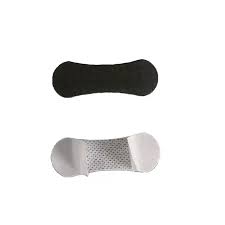
Process stability becomes increasingly critical when dealing with high-volume production runs where even minor variations can result in thousands of defective units. Manufacturers must implement comprehensive monitoring systems that track material consistency, adhesive performance, and dimensional accuracy across multiple production lines simultaneously. The challenge lies in maintaining the delicate balance between production efficiency and the exacting standards required for medical-grade nasal strips.
Modern nasal strips manufacturing facilities employ advanced statistical process control methods to identify potential quality deviations before they impact finished products. These systems continuously monitor key parameters such as adhesive curing temperatures, backing material tension, and die-cutting precision to ensure consistent product performance. Successful manufacturers recognize that investing in sophisticated quality assurance infrastructure ultimately reduces waste, minimizes customer complaints, and protects brand reputation in the competitive healthcare market.
Quality Control Systems for Nasal Strips Production
Raw Material Verification Protocols
Establishing rigorous incoming material inspection procedures forms the foundation of consistent nasal strips production quality. Every shipment of adhesive compounds, backing materials, and packaging components undergoes comprehensive testing to verify compliance with predetermined specifications. Material certificates alone prove insufficient for maintaining quality standards, as suppliers may experience batch-to-batch variations that could compromise final product performance.
Advanced testing protocols include viscosity measurements for adhesive materials, tensile strength evaluations for backing substrates, and biocompatibility assessments for all skin-contact components. These verification steps prevent substandard materials from entering production lines and causing quality issues that would only be discovered after significant processing investments. Manufacturers maintaining multiple supplier relationships implement standardized testing procedures that ensure consistency regardless of material source.
Documentation systems track material lot numbers throughout the production process, enabling rapid identification and isolation of affected products should quality issues arise. This traceability becomes essential when managing large-scale orders where materials from multiple suppliers may be used simultaneously. Effective material verification protocols significantly reduce the risk of widespread quality problems that could impact entire production runs.
In-Process Monitoring Technologies
Real-time monitoring systems provide immediate feedback on critical production parameters that directly influence nasal strips quality and consistency. Temperature sensors continuously track adhesive curing processes to ensure optimal bonding characteristics, while pressure monitors verify that die-cutting operations maintain precise dimensional tolerances. These automated systems respond faster than manual inspection methods and provide consistent monitoring coverage across multiple production shifts.
Vision inspection systems examine each nasal strip for surface defects, dimensional accuracy, and proper adhesive coverage patterns. Machine learning algorithms trained on acceptable product samples can identify subtle quality variations that might escape human inspectors, particularly during high-speed production runs. Integration of these technologies with production line controls enables automatic rejection of defective units without disrupting overall manufacturing flow.
Data logging capabilities create comprehensive production records that support statistical analysis of quality trends and process optimization efforts. Manufacturers can identify recurring quality issues, correlate problems with specific equipment or operators, and implement targeted corrective actions. This continuous improvement approach ensures that quality performance steadily improves over time rather than remaining static.
Scaling Production While Maintaining Consistency
Equipment Standardization Strategies
Maintaining consistent nasal strips quality across multiple production lines requires standardized equipment configurations and operating procedures. Identical machinery setups ensure that products manufactured on different lines exhibit the same performance characteristics and dimensional specifications. This standardization becomes particularly important when scaling production to meet large orders that exceed single-line capacity.
Preventive maintenance programs keep production equipment operating within specified tolerances and prevent gradual drift in critical parameters. Regular calibration of temperature controllers, pressure regulators, and positioning systems maintains the precision required for consistent nasal strips manufacturing. Equipment standardization also simplifies operator training, spare parts inventory management, and troubleshooting procedures across the facility.
Manufacturing flexibility improves when standardized equipment configurations allow seamless transfer of production between lines as demand fluctuates. This capability proves essential for managing large orders efficiently while maintaining delivery commitments. Standardization investments typically generate returns through improved quality consistency, reduced training costs, and simplified maintenance operations.
Operator Training and Certification Programs
Comprehensive operator training programs ensure that human factors contribute positively to nasal strips production consistency rather than introducing variability. Standardized procedures document every aspect of equipment operation, quality inspection, and problem resolution to minimize differences in individual operator approaches. Regular competency assessments verify that operators maintain required skill levels and stay current with procedural updates.
Certification programs create accountability for quality performance while providing career advancement opportunities for production personnel. Operators earning advanced certifications often become quality champions who mentor newer employees and identify process improvement opportunities. This approach builds organizational knowledge while reducing dependence on individual expertise that could be lost through personnel changes.
Cross-training initiatives ensure that qualified operators remain available for all production lines, preventing bottlenecks when regular personnel are unavailable. Multi-skilled operators can seamlessly move between different nasal strips configurations without requiring extensive retraining. Investment in operator development programs typically yields returns through improved quality consistency, reduced scrap rates, and enhanced production flexibility.
Supply Chain Integration for Large Orders
Supplier Partnership Development
Building strategic partnerships with key material suppliers creates the foundation for successful large-scale nasal strips production campaigns. Long-term agreements provide suppliers with demand visibility that enables capacity planning and inventory management aligned with customer requirements. These partnerships often result in preferential treatment during material shortages and access to technical expertise for product development initiatives.
Supplier quality agreements establish clear expectations for material specifications, delivery performance, and quality documentation requirements. Regular supplier audits verify compliance with agreed standards and identify opportunities for continuous improvement. Joint problem-solving sessions address quality issues collaboratively rather than through adversarial relationships that could compromise supply security.
Diversification strategies balance the benefits of partnership development with risk management considerations for critical materials. Multiple qualified suppliers for essential components provide backup options when primary sources experience difficulties. However, excessive supplier proliferation can complicate quality management and increase administrative overhead, requiring careful balance between security and complexity.
Inventory Management Systems
Sophisticated inventory management systems ensure that adequate raw materials remain available throughout extended production campaigns without tying up excessive working capital. Demand forecasting algorithms analyze historical patterns, seasonal variations, and customer order commitments to optimize inventory levels. These systems prevent production delays caused by material shortages while minimizing storage costs and obsolescence risks.
Material rotation procedures ensure that older inventory gets consumed before newer arrivals, preventing quality degradation from extended storage periods. Automated tracking systems monitor material age and provide alerts when items approach expiration dates. This first-in-first-out approach becomes particularly important for adhesive materials and other components with limited shelf lives.
Integration between inventory management and production planning systems enables automatic material allocation for scheduled nasal strips production runs. This coordination prevents conflicts between competing orders and ensures that material availability aligns with production schedules. Real-time inventory visibility supports dynamic production planning that can respond to changing customer priorities.
Technology Integration in Manufacturing
Automation Systems Implementation
Advanced automation systems reduce variability in nasal strips manufacturing while increasing production capacity and consistency. Robotic handling systems eliminate human-induced variations in material placement and component assembly processes. Automated feeding mechanisms ensure consistent material flow rates and reduce the risk of contamination from manual handling operations.
Programmable logic controllers coordinate complex production sequences and provide precise timing control for adhesive application, curing, and cutting operations. These systems can execute thousands of identical cycles without fatigue or distraction, maintaining consistent quality standards throughout extended production runs. Integration with quality monitoring systems enables automatic adjustments when process parameters drift from optimal settings.
Data connectivity between automation systems and enterprise software provides real-time production visibility and enables rapid response to quality issues or equipment problems. Production managers can monitor multiple lines simultaneously and make informed decisions about resource allocation and scheduling priorities. This connectivity also supports predictive maintenance programs that prevent unexpected equipment failures during critical production periods.
Digital Quality Management Platforms
Cloud-based quality management systems centralize quality data from multiple production lines and provide comprehensive analytics for process optimization. These platforms automatically collect inspection results, environmental conditions, and production parameters to create detailed quality histories for every batch of nasal strips produced. Statistical analysis tools identify trends and correlations that might not be apparent through manual data review.
Mobile devices enable quality inspectors to capture inspection results directly into digital systems, eliminating transcription errors and improving data timeliness. Photo documentation capabilities provide visual records of quality issues that support root cause analysis and corrective action verification. Digital workflows ensure that quality issues receive appropriate attention and follow-up actions get completed promptly.
Integration with customer portals provides transparency into quality performance and delivery status for large orders. Customers can access real-time production progress reports and quality metrics without requiring direct communication with production personnel. This transparency builds trust and confidence while reducing administrative overhead for customer service operations.
Cost Optimization Strategies
Waste Reduction Programs
Comprehensive waste reduction programs identify opportunities to minimize material consumption and scrap generation throughout nasal strips production processes. Lean manufacturing principles help eliminate non-value-added activities that consume resources without improving product quality or customer satisfaction. Statistical analysis of waste sources enables targeted improvement efforts that generate the highest returns on investment.
Material optimization studies examine opportunities to reduce waste through improved cutting patterns, more efficient material utilization, and recycling of production byproducts. Advanced nesting algorithms maximize the number of nasal strips produced from each sheet of backing material while maintaining required dimensional tolerances. Adhesive application systems use precise metering to eliminate excess material usage without compromising bond strength.
Employee engagement programs encourage production personnel to identify waste reduction opportunities and suggest process improvements. Recognition programs reward successful improvement suggestions and create positive reinforcement for continuous improvement activities. This grassroots approach often identifies practical solutions that management might overlook while building organizational commitment to efficiency goals.
Energy Efficiency Optimization
Energy management systems monitor power consumption across nasal strips production lines and identify opportunities for efficiency improvements. Variable frequency drives on motor-driven equipment adjust power consumption to match actual demand rather than running at constant full capacity. Heat recovery systems capture waste heat from curing ovens and use it for facility heating or preheating incoming materials.
Production scheduling algorithms optimize equipment utilization to minimize energy consumption during peak demand periods when utility rates are highest. Consolidated production runs reduce the number of equipment startups and shutdowns, which consume significant energy without producing saleable products. Smart facility management systems automatically adjust lighting, heating, and cooling based on occupancy and production schedules.
Equipment upgrades often provide opportunities to reduce energy consumption while improving production capability and quality consistency. Modern heating systems offer better temperature control and faster response times compared to older equipment, reducing energy waste while improving process stability. Investment analysis considers both energy savings and quality improvements when evaluating equipment replacement decisions.
Customer Communication and Transparency
Progress Reporting Systems
Automated progress reporting systems provide customers with regular updates on production status, quality performance, and delivery schedules for large nasal strips orders. These systems eliminate the need for manual status inquiries while ensuring that customers receive consistent and accurate information. Integration with production planning systems enables real-time updates when schedules change or quality issues arise.
Customizable reporting formats accommodate different customer preferences for information detail and delivery frequency. Some customers prefer daily production summaries, while others require detailed quality metrics and batch documentation. Flexible reporting systems adapt to these varying requirements without creating administrative burdens for production personnel.
Exception reporting capabilities automatically alert customers when production issues could impact delivery schedules or product specifications. Early notification enables customers to adjust their own planning and communicate changes to end users before problems become critical. This proactive communication approach builds trust and demonstrates commitment to customer success.
Quality Documentation Packages
Comprehensive quality documentation packages provide customers with complete records of testing results, process parameters, and compliance certifications for each batch of nasal strips delivered. These packages support customer quality audits and regulatory compliance requirements while demonstrating the manufacturer's commitment to quality excellence. Digital delivery systems provide immediate access to documentation without delays associated with physical document handling.
Standardized documentation formats ensure consistency across different customer orders and simplify the review process for customer quality personnel. Template-based systems reduce preparation time while ensuring that all required information gets included in every package. Version control systems maintain document integrity and provide audit trails for any subsequent modifications.
Statistical summaries highlight quality trends and process capability metrics that demonstrate long-term consistency in nasal strips manufacturing. Control charts and capability studies provide objective evidence of process stability and quality performance. This data supports customer confidence in product reliability and supplier capability for future orders.
FAQ
How do manufacturers ensure consistent adhesive performance across large batches of nasal strips
Manufacturers maintain adhesive consistency through rigorous material testing, controlled curing processes, and continuous monitoring of application parameters. Each adhesive batch undergoes peel strength testing, tack evaluation, and aging studies before production use. Temperature and humidity controls in production areas prevent environmental variations that could affect adhesive performance. Statistical process control systems track adhesive application thickness and coverage patterns to identify deviations before they impact product quality.
What quality control measures prevent dimensional variations in high-volume nasal strips production
Dimensional consistency relies on precision die-cutting equipment, regular calibration procedures, and automated inspection systems. Computer-controlled cutting systems maintain tolerances within fractions of millimeters across thousands of units. Vision inspection systems measure critical dimensions on sample products throughout production runs and alert operators to any drift in cutting accuracy. Preventive maintenance programs ensure that cutting dies remain sharp and properly aligned to prevent gradual degradation in dimensional quality.
How do manufacturers handle material traceability for large orders spanning multiple production batches
Comprehensive lot tracking systems assign unique identifiers to each batch of raw materials and follow these identifiers through every production step. Barcode or RFID systems automatically capture material usage data and create complete genealogy records for finished products. Database systems can instantly identify all products containing materials from specific supplier lots, enabling rapid response to quality issues or recall situations. Documentation packages include complete material traceability information for customer records and regulatory compliance.
What backup systems ensure continuity when equipment failures occur during critical production periods
Redundant production capabilities and comprehensive maintenance programs minimize the impact of equipment failures on large nasal strips orders. Critical equipment components have spare units ready for immediate installation, while cross-trained operators can quickly resume production on backup lines. Predictive maintenance systems monitor equipment condition and schedule repairs during planned downtime rather than waiting for failures. Emergency response procedures prioritize restoration of production capability while maintaining quality standards throughout the recovery process.
One-Stop Custom Tape & Patch Supplier, Fully Certified & Safety Guaranteed
Name: Vicky Zhou
Call/Text: +86 198 0595 7675
Email: [email protected]
Website:https://www.hlktape.com
YouTube:https://www.youtube.com/@HLKTape