
 EN
EN


How Custom Materials Impact NasalStrip MOQ
The manufacturing landscape for respiratory aids has evolved significantly, with nasal strip production becoming increasingly sophisticated. Modern manufacturing facilities must balance material selection, production efficiency, and minimum order quantities to meet diverse market demands. Understanding how material choices directly influence production parameters helps manufacturers optimize their operations while maintaining product quality standards.
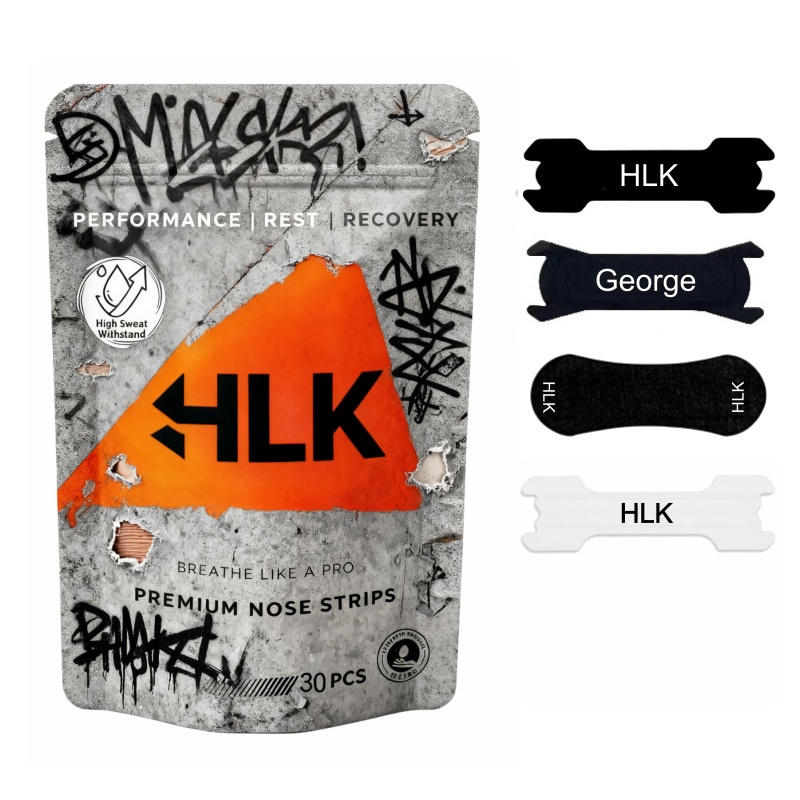
Manufacturing decisions regarding nasal strip materials create cascading effects throughout the entire production chain. Each material type requires specific machinery configurations, adhesive formulations, and quality control protocols. These requirements directly translate into minimum order quantities that manufacturers must establish to ensure profitable operations while maintaining consistent product performance.
Material Selection Fundamentals in Nasal Strip Manufacturing
Non-Woven Fabric Properties and Production Impact
Non-woven fabrics represent the most common base material for modern nasal strip manufacturing due to their breathability and flexibility characteristics. These materials require specialized cutting equipment and precise handling systems that influence minimum production runs. The fiber orientation in non-woven materials affects both the nasal strip performance and the manufacturing setup requirements.
Manufacturing facilities must calibrate their equipment differently for various non-woven fabric weights and compositions. Lighter fabrics may require gentler handling systems, while denser materials need more robust cutting mechanisms. This equipment specialization directly impacts the economic feasibility of small production runs, pushing minimum order quantities higher to justify setup costs.
Quality control protocols for non-woven nasal strip materials involve multiple testing stages that require significant sample quantities. Each batch must undergo tensile strength testing, breathability measurements, and adhesion compatibility checks. These quality assurance requirements establish baseline quantities that influence overall MOQ calculations.
Alternative Material Systems and Production Complexity
Specialized materials such as bamboo fiber, cotton blends, or synthetic composites introduce additional complexity into nasal strip manufacturing processes. Each alternative material system requires unique processing parameters, from temperature controls to pressure settings during lamination. These specialized requirements often result in higher minimum order quantities due to increased setup complexity.
Material compatibility testing becomes more extensive when working with alternative substrates for nasal strip production. Manufacturers must validate adhesive bonding strength, skin compatibility, and long-term stability for each material combination. This comprehensive testing protocol requires substantial material quantities, directly influencing minimum order requirements.
Supply chain considerations for specialized materials also impact production planning and MOQ establishment. Alternative materials often have longer lead times and limited supplier options, requiring manufacturers to order larger quantities to ensure production continuity. This supply chain reality translates into higher minimum order quantities for custom material nasal strip variants.
Adhesive Integration and Manufacturing Scalability
Adhesive Compatibility Across Material Types
The relationship between base materials and adhesive systems significantly influences nasal strip manufacturing efficiency and minimum order quantities. Different materials require specific adhesive formulations to achieve optimal bonding strength while maintaining skin-safe properties. This compatibility requirement necessitates extensive testing phases that consume considerable material quantities.
Medical-grade adhesives used in nasal strip production must undergo rigorous validation processes with each material substrate. These validation protocols require multiple production trials using various material and adhesive combinations. The extensive testing requirements contribute to higher minimum order quantities as manufacturers need sufficient materials to complete comprehensive compatibility assessments.
Temperature and humidity sensitivity of adhesive systems varies significantly based on the base material characteristics. Non-woven fabrics may require different curing conditions compared to synthetic alternatives, necessitating equipment recalibration for each material type. These setup requirements increase the economic threshold for small production runs, ultimately affecting MOQ determinations.
Production Line Configuration Requirements
Manufacturing equipment must be configured specifically for different material and adhesive combinations used in nasal strip production. Each configuration change requires thorough cleaning protocols, calibration procedures, and quality validation runs. These changeover requirements create economic incentives for longer production runs, directly impacting minimum order quantity calculations.
Specialized coating equipment for adhesive application requires different settings based on material absorption characteristics and surface energy properties. Materials with higher porosity may need adjusted coating weights or application speeds to achieve consistent adhesive distribution. These technical requirements influence production efficiency and ultimately affect the economic viability of smaller order quantities.
Quality control systems must be recalibrated for each material and adhesive combination to ensure consistent nasal strip performance. Different materials may require adjusted testing parameters for adhesion strength, peel characteristics, and durability assessments. This calibration process consumes time and materials, contributing to higher minimum order requirements for custom material specifications.
Economic Factors Driving MOQ Decisions
Setup Cost Distribution Across Production Volumes
Manufacturing setup costs for nasal strip production include machine configuration, material waste during calibration, and quality validation expenses. These fixed costs must be distributed across the total production volume to achieve acceptable per-unit economics. Higher setup costs associated with specialized materials naturally drive minimum order quantities upward to maintain profitability.
Labor costs during production setup and changeover procedures represent significant economic factors in MOQ calculations. Skilled technicians must spend considerable time configuring equipment for different nasal strip materials and ensuring quality standards are met. These labor investments require sufficient production volumes to justify the associated costs.
Material waste during initial production runs and quality testing contributes to overall setup costs that influence minimum order quantity decisions. Each material type may have different waste characteristics during cutting, lamination, and packaging processes. Manufacturers must account for these waste factors when establishing economically viable production quantities.
Supply Chain Economics and Material Procurement
Raw material suppliers often impose their own minimum order quantities for specialized nasal strip materials, creating upstream pressure on manufacturing MOQs. Premium materials or custom specifications typically require larger procurement quantities to justify supplier setup costs. This supply chain dynamic directly influences the minimum quantities manufacturers can offer to customers.
Inventory management considerations play crucial roles in MOQ determination for custom material nasal strip production. Specialized materials may have limited shelf life or specific storage requirements that affect inventory turnover rates. Manufacturers must balance holding costs against production efficiency when establishing minimum order quantities for different material specifications.
Transportation and logistics costs for specialized materials can significantly impact overall production economics. Smaller quantities may result in less efficient shipping arrangements, increasing per-unit material costs. These logistical considerations contribute to minimum order quantity requirements as manufacturers seek to optimize total delivered costs.
Quality Control Impact on Production Volumes
Testing Protocol Requirements for Different Materials
Each material type used in nasal strip manufacturing requires specific testing protocols to validate performance characteristics and regulatory compliance. These testing requirements consume significant quantities of finished products, establishing baseline volumes that influence minimum order calculations. More complex materials typically require more extensive testing, resulting in higher MOQ requirements.
Batch validation procedures for nasal strip production involve sampling requirements that scale with material complexity and novelty. New material combinations may require more extensive validation protocols, including biocompatibility testing, adhesion durability assessments, and environmental stability evaluations. These comprehensive testing requirements directly impact minimum production volumes needed to satisfy both testing and customer delivery requirements.
Regulatory compliance testing for medical device applications requires substantial sample quantities for various performance and safety evaluations. Different materials may trigger different regulatory pathways, each with specific testing volume requirements. Manufacturers must account for these regulatory demands when establishing minimum order quantities for custom material nasal strip specifications.
Process Validation and Documentation Requirements
Manufacturing process validation for nasal strip production requires documented evidence of consistent performance across multiple production batches. This validation process typically requires several production runs using identical parameters and materials. The volume requirements for process validation contribute to minimum order quantity calculations, particularly for new material specifications.
Statistical process control systems require sufficient sample sizes to establish meaningful control limits and capability indices for nasal strip manufacturing. Different materials may exhibit different process variability characteristics, requiring adjusted sampling strategies and potentially larger production volumes to achieve statistical significance. These quality system requirements influence minimum order quantities for custom material applications.
Documentation requirements for quality management systems include extensive record-keeping for material traceability, process parameters, and testing results. These documentation demands create administrative overhead that must be distributed across production volumes. Higher documentation requirements for specialized materials can contribute to increased minimum order quantities to justify the associated administrative costs.
Market Dynamics and Customer Requirements
Customization Levels and Production Complexity
Customer demands for specific material characteristics in nasal strip applications often require extensive customization that impacts production scalability. Unique material specifications may necessitate special procurement arrangements, modified processing parameters, and extended validation procedures. These customization requirements typically result in higher minimum order quantities to justify the additional complexity and costs.
Brand-specific requirements for nasal strip materials, including unique compositions, performance characteristics, or aesthetic properties, create additional manufacturing complexity. Each brand specification may require dedicated setup procedures, specialized equipment configurations, and customized quality control protocols. These brand-specific requirements contribute to higher minimum order quantities as manufacturers seek to optimize the economics of specialized production runs.
Market segment requirements vary significantly, with medical applications typically demanding more rigorous material specifications and validation procedures compared to consumer wellness products. These varying requirements create different economic thresholds for production, resulting in segment-specific minimum order quantities that reflect the complexity and costs associated with different material specifications.
Competitive Positioning and Manufacturing Strategy
Manufacturers must balance competitive pricing with operational efficiency when establishing minimum order quantities for custom material nasal strip applications. Lower MOQs may provide competitive advantages in attracting new customers but must be economically sustainable given the costs associated with material customization and production complexity.
Strategic partnerships with material suppliers can influence MOQ flexibility by providing access to specialized materials in smaller quantities or enabling shared development costs across multiple applications. These partnerships may allow manufacturers to offer lower minimum order quantities for certain material specifications while maintaining economic viability.
Technology investments in flexible manufacturing systems can reduce changeover costs and enable smaller production runs for custom material nasal strip applications. However, these technology investments require sufficient volume across all product variants to justify the capital expenditure, creating complex relationships between manufacturing capability and minimum order quantity strategies.
FAQ
How do material choices affect nasal strip manufacturing setup costs
Material selection significantly impacts manufacturing setup costs through equipment configuration requirements, adhesive compatibility testing, and quality validation procedures. Specialized materials often require unique processing parameters, extended calibration periods, and comprehensive testing protocols that increase setup expenses. These higher setup costs necessitate larger production volumes to achieve acceptable per-unit economics, directly influencing minimum order quantity requirements for custom material specifications.
What factors determine the minimum economical production quantity for custom nasal strip materials
Several interconnected factors determine minimum economical production quantities, including material procurement requirements, manufacturing setup costs, quality control expenses, and regulatory compliance demands. Supply chain considerations such as supplier MOQs, inventory holding costs, and transportation efficiency also play crucial roles. The complexity of material specifications, required testing protocols, and process validation requirements create baseline volumes that must be exceeded to achieve profitable operations.
How does material complexity influence quality control requirements and production volumes
Complex materials typically require more extensive quality control protocols, including specialized testing procedures, longer validation periods, and increased sampling requirements. These enhanced quality control demands consume significant product quantities for testing purposes while extending production timelines. The additional resources required for comprehensive quality assurance of complex materials contribute to higher minimum order quantities as manufacturers must produce sufficient volumes to satisfy both testing requirements and customer delivery needs.
What role do regulatory requirements play in establishing MOQs for medical-grade nasal strip materials
Regulatory requirements for medical-grade applications impose substantial testing and validation demands that directly impact minimum production volumes. Biocompatibility testing, performance validation, and regulatory submission requirements consume significant product quantities while generating documentation necessary for market approval. These regulatory demands establish baseline production volumes that often exceed typical commercial MOQs, particularly for new material specifications requiring comprehensive validation protocols and regulatory review processes.
One-Stop Custom Tape & Patch Supplier, Fully Certified & Safety Guaranteed
Name: Vicky Zhou
Call/Text: +86 198 0595 7675
Email: [email protected]
Website:https://www.hlktape.com
YouTube:https://www.youtube.com/@HLKTape