
 EN
EN


Why Breathability Matters for Sports NasalStrips
Athletic performance hinges on numerous factors, but one of the most fundamental yet often overlooked aspects is proper breathing. During intense physical activity, the body's oxygen demands increase dramatically, making efficient nasal airflow crucial for sustained performance. Sports nasal strips have emerged as a game-changing solution for athletes seeking to optimize their respiratory function and unlock their full potential during training and competition.
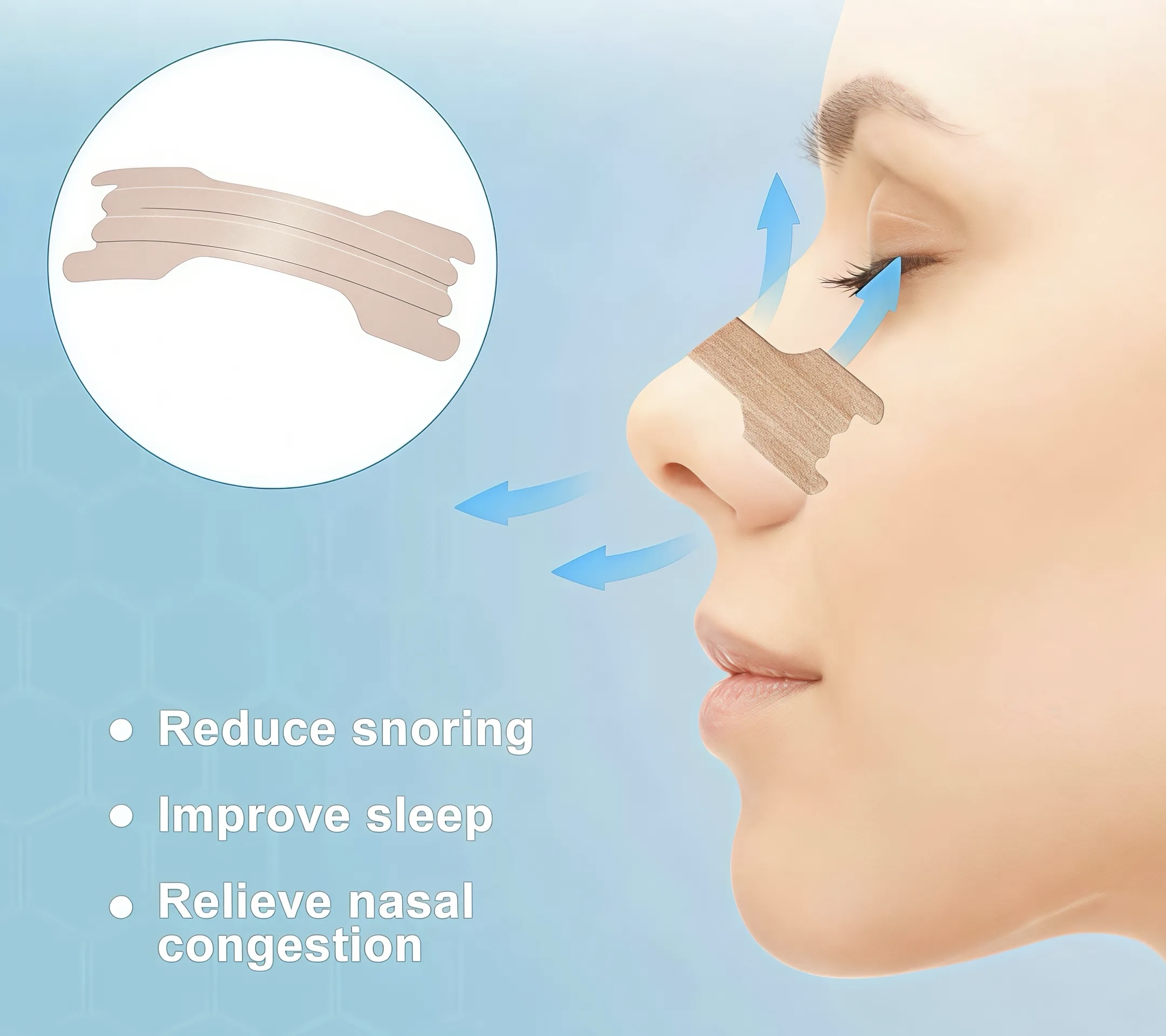
The science behind nasal breathing during exercise reveals why these specialized strips have gained widespread adoption among professional athletes and fitness enthusiasts alike. When we exercise, our nasal passages can become constricted due to increased blood flow, swelling, or structural limitations. This restriction forces mouth breathing, which can lead to decreased oxygen efficiency and compromised athletic performance.
Understanding the mechanics of how sports nasal strips function provides insight into their effectiveness. These innovative devices work by gently lifting and opening the nasal passages from the outside, creating wider airways that allow for increased airflow. This mechanical advantage becomes particularly valuable during high-intensity activities where every breath counts toward maintaining peak performance levels.
The Science Behind Nasal Strip Technology in Athletic Performance
Biomechanical Principles of Nasal Airway Enhancement
The fundamental principle behind sports nasal strips lies in their ability to create external structural support for the nasal passages. These strips utilize spring-like bands embedded within an adhesive backing that applies gentle upward and outward tension to the skin over the nasal cartilages. This external force effectively widens the nasal valve area, which is typically the narrowest part of the nasal airway and often the primary site of breathing restriction during physical exertion.
Research has demonstrated that nasal resistance can increase significantly during exercise due to physiological changes including mucosal swelling, increased blood flow to nasal tissues, and structural collapse of flexible cartilaginous areas. Sports nasal strips counteract these effects by providing consistent mechanical support that maintains optimal airway dimensions throughout the duration of athletic activity.
The engineering behind effective sports nasal strips involves careful consideration of material properties, adhesive strength, and spring tension. High-quality strips must maintain their lifting force while remaining comfortable and secure during vigorous movement. This balance requires sophisticated materials science to ensure the strips provide consistent performance without causing skin irritation or premature failure during extended use.
Physiological Benefits of Enhanced Nasal Breathing
Enhanced nasal breathing through sports nasal strips offers multiple physiological advantages that directly impact athletic performance. Nasal breathing naturally filters, warms, and humidifies incoming air, creating optimal conditions for gas exchange in the lungs. This process is particularly important during exercise when respiratory demands are elevated and air quality may be compromised by environmental factors.
The nasal passages also produce nitric oxide, a vasodilator that improves oxygen delivery to tissues throughout the body. When sports nasal strips optimize nasal airflow, they enhance this natural nitric oxide production, potentially improving cardiovascular efficiency and endurance capacity. This biochemical advantage represents a natural performance enhancement that works in harmony with the body's existing systems.
Additionally, maintaining nasal breathing during exercise helps regulate the autonomic nervous system, promoting a more relaxed physiological state that can improve focus, reduce perceived exertion, and enhance overall exercise tolerance. These neurophysiological benefits complement the direct respiratory advantages provided by sports nasal strips.
Material Innovation and Breathability Features
Advanced Adhesive Technologies for Athletic Applications
The development of sports nasal strips has driven significant innovation in adhesive technology specifically designed for athletic applications. Traditional medical adhesives often fail under the conditions encountered during intense physical activity, including excessive sweating, rapid movement, and extended wear duration. Modern sports nasal strips incorporate advanced adhesive formulations that maintain strong bonding while allowing for moisture management and skin breathability.
These specialized adhesives typically feature micro-perforated structures or breathable polymer matrices that allow sweat vapor to escape while maintaining adhesive integrity. This breathability is crucial for preventing skin maceration, reducing irritation, and ensuring comfortable long-term wear during extended training sessions or competitions. The adhesive must also be designed for easy removal without causing skin damage or leaving residue.
Recent advances have introduced pressure-sensitive adhesives that become more effective with moisture, actually improving their bonding strength as athletes begin to perspire. This counterintuitive property ensures that sports nasal strips remain securely in place throughout the most demanding athletic activities, providing consistent performance when it matters most.
Fabric and Backing Material Considerations
The backing material of sports nasal strips plays a critical role in overall performance, comfort, and breathability. High-performance strips typically utilize engineered fabrics that combine strength, flexibility, and moisture management properties. These materials must be thin enough to maintain comfort and aesthetics while providing sufficient structural integrity to support the spring mechanism effectively.
Modern sports nasal strips often incorporate moisture-wicking fabrics similar to those used in athletic apparel. These materials actively transport perspiration away from the skin surface, promoting evaporation and maintaining a dry, comfortable interface. This moisture management is essential for preventing bacterial growth, reducing odor, and maintaining skin health during extended use.
The weave structure and fiber composition of backing materials directly impact breathability and conformability. Advanced strips may feature directional stretch properties that accommodate facial movement and expression while maintaining consistent lifting force. These sophisticated material properties ensure that sports nasal strips enhance performance without compromising comfort or creating distraction during critical athletic moments.
Performance Benefits Across Different Sports and Activities
Endurance Sports and Aerobic Activities
Endurance athletes represent one of the largest user groups for sports nasal strips due to the sustained respiratory demands inherent in activities like distance running, cycling, swimming, and triathlon competition. These sports require efficient oxygen utilization over extended periods, making any improvement in breathing efficiency particularly valuable. Sports nasal strips provide measurable benefits by reducing the work of breathing and allowing athletes to maintain higher intensities for longer durations.
In cycling, where aerodynamic positioning often compromises natural breathing patterns, sports nasal strips become especially valuable. The forward-leaning position common in competitive cycling can exacerbate nasal breathing difficulties, making external nasal support crucial for maintaining performance. Similarly, distance runners who develop nasal congestion due to environmental factors, allergies, or exercise-induced rhinitis find significant relief through the use of sports nasal strips.
Swimming presents unique challenges where sports nasal strips must maintain effectiveness in aquatic environments while providing respiratory benefits during training and competition. Specialized waterproof formulations have been developed to address these specific requirements, allowing swimmers to benefit from improved nasal breathing both in and out of the water.
High-Intensity and Power Sports Applications
High-intensity sports like weightlifting, sprinting, martial arts, and team sports benefit from sports nasal strips through improved oxygen delivery during brief but demanding efforts. These activities create acute respiratory stress that can be significantly ameliorated through enhanced nasal airflow. The immediate availability of improved breathing capacity can make the difference between successful performance and premature fatigue.
In strength training, proper breathing technique is fundamental to safe and effective lifting. Sports nasal strips support optimal breathing patterns by ensuring adequate nasal airflow, allowing athletes to maintain proper intra-abdominal pressure and core stability. This respiratory support becomes particularly important during maximal efforts where every physiological advantage contributes to performance outcomes.
Combat sports athletes face unique respiratory challenges due to potential nasal trauma, structural abnormalities, and the need for rapid recovery between intense exchanges. Sports nasal strips provide valuable support for maintaining clear airways despite these challenges, contributing to improved performance and safety during training and competition.
Selection Criteria and Application Guidelines
Sizing and Fit Considerations
Proper sizing and fit are crucial factors in maximizing the effectiveness of sports nasal strips. Individual nasal anatomy varies significantly, and strips must be selected based on nose width, bridge height, and overall facial structure. Most manufacturers offer multiple size options ranging from small to extra-large, with some providing specialized shapes for different nasal profiles.
The positioning of sports nasal strips requires careful attention to anatomical landmarks. Optimal placement typically involves centering the strip over the nasal bones just above the widest part of the nostrils. This location provides maximum mechanical advantage for opening the nasal valve area while ensuring comfortable wear and secure adhesion.
Athletes should consider their specific sport and environmental conditions when selecting sports nasal strips. Factors such as expected wear duration, sweat production, ambient temperature, and humidity levels all influence the optimal choice of strip design and materials. Testing different options during training sessions helps identify the most suitable products before important competitions.
Application Techniques and Best Practices
Proper application technique significantly impacts the performance and comfort of sports nasal strips. The skin should be clean and dry before application, with any oils, lotions, or residues removed to ensure optimal adhesive bonding. Some athletes benefit from using skin preparation products that enhance adhesive performance, particularly in high-sweat environments.
The application process should involve gentle but firm pressure to ensure complete contact between the adhesive and skin surface. Air bubbles or incomplete adhesion can compromise performance and lead to premature failure. Athletes should practice application techniques to develop consistency and efficiency, particularly when strips need to be applied quickly in competitive environments.
Removal techniques are equally important for preventing skin irritation and damage. Sports nasal strips should be removed slowly and gently, preferably after softening the adhesive with warm water or specialized removal products. Proper removal practices help maintain skin health and allow for repeated use without cumulative irritation or sensitivity development.
Environmental Factors and Durability Considerations
Weather and Climate Adaptations
Environmental conditions significantly impact the performance requirements for sports nasal strips. Hot, humid climates create challenges related to excessive sweating and adhesive degradation, while cold, dry conditions can cause skin sensitivity and material brittleness. Understanding these environmental factors helps athletes select appropriate sports nasal strips for their specific training and competition conditions.
High-altitude environments present unique respiratory challenges that make sports nasal strips particularly valuable. The reduced oxygen partial pressure at altitude increases ventilatory demands, making efficient nasal breathing crucial for maintaining performance. Sports nasal strips help optimize the limited oxygen available while reducing the work of breathing in these demanding conditions.
Seasonal variations in air quality, pollen levels, and atmospheric conditions can influence nasal breathing effectiveness. Sports nasal strips provide consistent support regardless of these environmental variables, helping athletes maintain steady performance throughout changing seasonal conditions. This reliability becomes particularly valuable for outdoor sports where environmental factors cannot be controlled.
Longevity and Performance Maintenance
The durability of sports nasal strips under athletic conditions depends on multiple factors including material quality, adhesive formulation, and application technique. High-quality strips should maintain their lifting force and adhesive integrity throughout typical training sessions or competition durations. However, extended wear beyond recommended timeframes can lead to performance degradation and increased risk of skin irritation.
Athletes engaging in multi-day events or extended training camps need to consider the cumulative effects of repeated sports nasal strips application and removal. Skin tolerance, adhesive sensitivity, and performance consistency all require careful monitoring to prevent complications. Rotating application sites slightly and using skin conditioning products can help maintain comfort and effectiveness during extended use periods.
Storage conditions affect the shelf life and performance of sports nasal strips. Temperature extremes, humidity exposure, and direct sunlight can degrade materials and reduce effectiveness. Proper storage in cool, dry conditions helps maintain product quality and ensures reliable performance when needed most.
Integration with Other Performance Enhancement Strategies
Complementary Breathing Techniques and Training
Sports nasal strips work synergistically with structured breathing training programs to maximize respiratory efficiency and athletic performance. Techniques such as diaphragmatic breathing, rhythmic breathing patterns, and breath hold training become more effective when combined with the enhanced nasal airflow provided by quality strips. This integration creates a comprehensive approach to respiratory optimization that addresses both mechanical and physiological aspects of breathing.
Yoga and mindfulness practices that emphasize nasal breathing benefit significantly from sports nasal strips, particularly for athletes who struggle with nasal congestion or structural limitations. The strips allow practitioners to focus on breathing techniques without being distracted by airway restrictions, leading to deeper practice and better integration of breathing skills into athletic performance.
Altitude training and hypoxic conditioning programs can be enhanced through the use of sports nasal strips that optimize the limited oxygen availability. By ensuring maximum nasal breathing efficiency, athletes can better adapt to reduced oxygen conditions and develop improved respiratory capacity for sea-level performance.
Nutritional and Supplement Synergies
The benefits of sports nasal strips can be complemented by nutritional strategies that support respiratory health and nasal function. Anti-inflammatory nutrients, antioxidants, and compounds that support mucous membrane health work together with mechanical nasal support to optimize breathing capacity. This holistic approach addresses both immediate performance needs and long-term respiratory health.
Hydration strategies become particularly important when using sports nasal strips, as proper moisture balance affects both nasal tissue function and adhesive performance. Athletes should maintain optimal hydration while avoiding excessive fluid intake that might compromise nasal breathing through tissue swelling or increased mucous production.
Timing of meals and supplement intake can influence nasal breathing effectiveness and sports nasal strips performance. Foods that promote inflammation or allergic reactions should be avoided before important training sessions or competitions where nasal breathing optimization is crucial for performance outcomes.
FAQ
How long can sports nasal strips be worn during exercise
Sports nasal strips can typically be worn for 2-8 hours during exercise, depending on the specific product, environmental conditions, and individual skin sensitivity. Most high-quality sports nasal strips are designed to maintain their effectiveness throughout standard training sessions or competitions lasting up to 4 hours. However, factors such as excessive sweating, high humidity, or particularly vigorous activity may reduce wear time. Athletes should monitor skin condition and strip performance to determine optimal wear duration for their specific needs and remove strips if any irritation or performance degradation occurs.
Are sports nasal strips suitable for all types of athletic activities
Sports nasal strips are suitable for most athletic activities, but certain sports may present specific challenges or limitations. Contact sports like rugby, wrestling, or martial arts may pose risks of strip displacement or facial impact that could affect safety or comfort. Water sports require specialized waterproof formulations to maintain effectiveness. Individual sports like golf, tennis, or track and field typically present ideal conditions for sports nasal strips use. Athletes should consult with coaches, trainers, or healthcare providers to determine appropriateness for their specific sport and competition regulations.
Can sports nasal strips cause skin irritation or allergic reactions
While sports nasal strips are generally well-tolerated, some individuals may experience skin irritation or allergic reactions, particularly with extended use or sensitive skin conditions. Common issues include redness, itching, or adhesive residue at the application site. To minimize risks, athletes should test new products on a small skin area before full use, ensure proper skin preparation and application technique, and follow recommended wear times. Those with known adhesive sensitivities or skin conditions should consult healthcare providers before using sports nasal strips and consider hypoallergenic or sensitive-skin formulations when available.
Do sports nasal strips provide immediate benefits or require adaptation period
Sports nasal strips typically provide immediate mechanical benefits by opening nasal passages upon application, with most users experiencing improved airflow within minutes. However, some athletes may require a brief adaptation period to become comfortable with the sensation and optimize their breathing patterns. The full performance benefits may become more apparent over several uses as athletes learn to integrate improved nasal breathing into their exercise routines. Psychological adaptation to wearing the strips during activity may also take time, but the physiological benefits of enhanced airflow are generally immediate and measurable from the first use.
One-Stop Custom Tape & Patch Supplier, Fully Certified & Safety Guaranteed
Name: Vicky Zhou
Call/Text: +86 198 0595 7675
Email: [email protected]
Website:https://www.hlktape.com
YouTube:https://www.youtube.com/@HLKTape