
 EN
EN


NasalStrips vs Drug-Based Solutions: Market Positioning Analysis
The global respiratory care market continues to evolve as consumers increasingly seek effective solutions for breathing difficulties, snoring, and sleep-related issues. Two primary approaches dominate this landscape: mechanical nasal strips and pharmaceutical interventions. Understanding the market positioning dynamics between these solutions reveals significant opportunities for manufacturers, healthcare providers, and consumers alike. This comprehensive analysis examines how nasal strips compete against drug-based alternatives in terms of efficacy, safety, cost-effectiveness, and consumer preference patterns across diverse demographic segments.
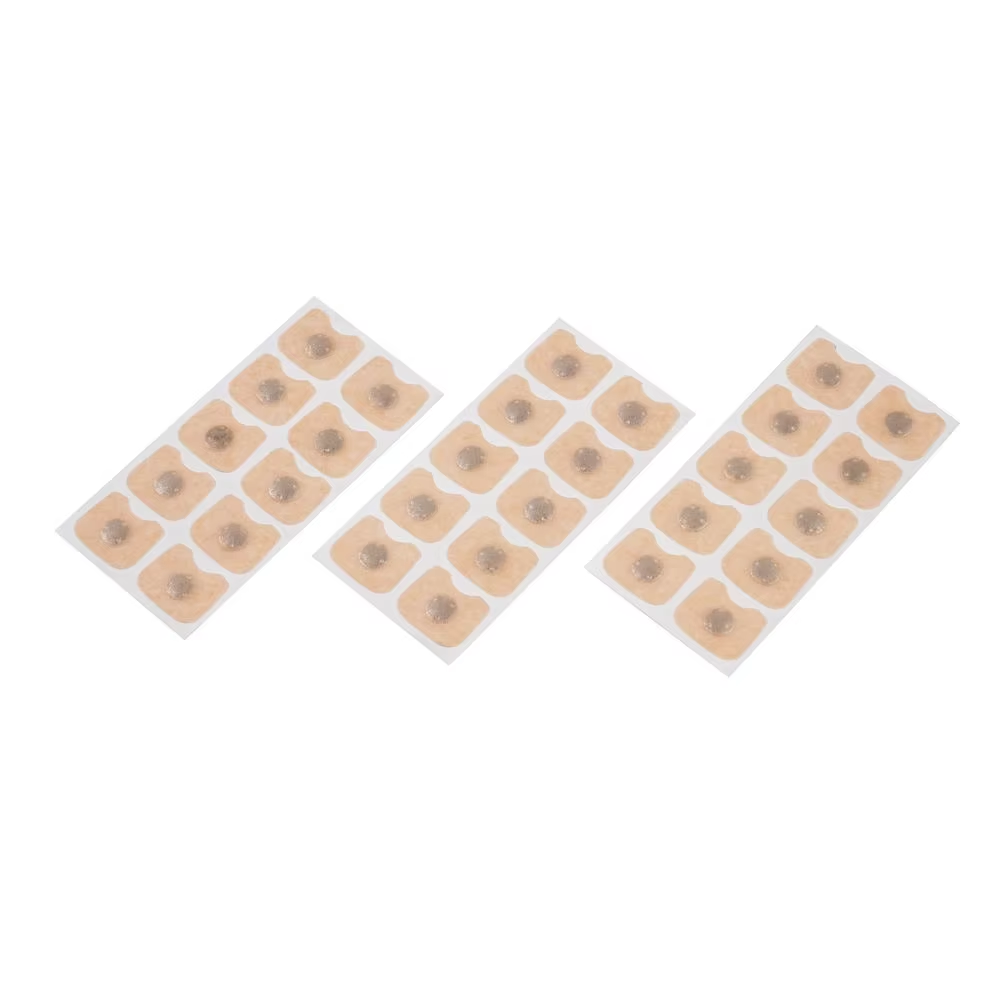
Market research indicates that consumers are becoming increasingly discerning about their healthcare choices, particularly when addressing chronic conditions like sleep apnea, nasal congestion, and snoring. The competition between nasal strips and pharmaceutical solutions reflects broader healthcare trends toward non-invasive, drug-free alternatives. This shift presents unique challenges and opportunities for businesses operating in the respiratory care sector, requiring strategic positioning that addresses both clinical effectiveness and consumer preferences.
Market Landscape Overview
Current Market Dynamics
The respiratory care market encompasses a diverse range of products, from traditional nasal strips to advanced pharmaceutical formulations. Industry analysts report that the global nasal strips market has experienced steady growth, driven by increasing awareness of sleep disorders and the rising prevalence of nasal congestion issues. Consumer spending patterns indicate a growing preference for non-pharmaceutical interventions, particularly among health-conscious demographics who prioritize natural solutions over chemical-based treatments.
Market segmentation reveals distinct consumer preferences based on age, lifestyle, and health conditions. Younger consumers often gravitate toward innovative nasal strips that offer enhanced comfort and aesthetic appeal, while older demographics may prefer proven pharmaceutical solutions with established clinical backing. This segmentation creates opportunities for targeted marketing strategies that address specific consumer needs and concerns.
Competitive Positioning Strategies
Successful market positioning in the nasal strips versus pharmaceutical solutions landscape requires understanding key differentiators that influence consumer decision-making. Price sensitivity varies significantly across demographic groups, with budget-conscious consumers often favoring nasal strips due to their lower per-use cost compared to ongoing pharmaceutical treatments. However, insurance coverage for prescription medications can shift this equation, making drug-based solutions more attractive for certain consumer segments.
Brand positioning strategies must address the perception of effectiveness between mechanical and pharmaceutical solutions. Nasal strips benefit from their immediate, tangible mechanism of action that consumers can see and feel, while pharmaceutical solutions rely on clinical studies and medical endorsements to establish credibility. This fundamental difference shapes marketing approaches and consumer education strategies.
Efficacy Comparison Analysis
Clinical Effectiveness Data
Clinical research comparing nasal strips to drug-based solutions reveals nuanced effectiveness profiles that vary depending on the underlying condition being treated. For structural nasal obstructions, nasal strips demonstrate measurable improvements in airflow by mechanically opening nasal passages. Studies indicate that quality nasal strips can increase nasal airflow by up to thirty percent, providing immediate relief for users experiencing temporary or chronic nasal congestion.
Pharmaceutical interventions, particularly nasal decongestants and antihistamines, address underlying inflammatory processes that contribute to breathing difficulties. These solutions often provide more comprehensive treatment for conditions involving allergic reactions, chronic sinusitis, or bacterial infections. However, their effectiveness timeline differs significantly from nasal strips, often requiring several days to achieve optimal results compared to the immediate relief provided by mechanical solutions.
Long-term Treatment Outcomes
Long-term effectiveness studies reveal important distinctions between nasal strips and pharmaceutical approaches. Nasal strips maintain consistent performance over extended use periods without developing tolerance issues, a significant advantage over some pharmaceutical solutions that may lose effectiveness with prolonged use. This consistency makes nasal strips particularly attractive for chronic conditions requiring ongoing management.
Pharmaceutical solutions offer advantages in treating underlying causes of nasal obstruction, potentially providing more comprehensive long-term solutions for conditions involving infection, inflammation, or allergic responses. However, the risk of side effects and drug interactions with pharmaceutical interventions creates additional considerations for healthcare providers and patients when evaluating long-term treatment strategies.
Safety Profile Assessment
Adverse Event Comparisons
Safety profiles represent a critical differentiator between nasal strips and drug-based solutions in market positioning strategies. Nasal strips demonstrate excellent safety records with minimal reported adverse events, typically limited to minor skin irritation in sensitive individuals or adhesive-related reactions. This outstanding safety profile makes nasal strips suitable for diverse populations, including pregnant women, children, and individuals with multiple medical conditions or medication sensitivities.
Pharmaceutical solutions carry inherent risks associated with systemic absorption and potential drug interactions. Common side effects of nasal decongestants include elevated blood pressure, nervousness, and sleep disturbances, while antihistamines may cause drowsiness, dry mouth, or cognitive impairment. These safety considerations significantly impact market positioning, particularly for manufacturers targeting safety-conscious consumer segments.
Risk-Benefit Analysis
Market positioning strategies must address the risk-benefit calculation that influences consumer choice between nasal strips and pharmaceutical options. The low-risk profile of nasal strips appeals to consumers seeking safe, non-invasive solutions for breathing difficulties, particularly those managing multiple health conditions or taking other medications where drug interactions pose concerns.
Healthcare providers often recommend nasal strips as first-line interventions for mild to moderate breathing difficulties, reserving pharmaceutical solutions for cases requiring more aggressive intervention or addressing underlying pathological conditions. This clinical preference pattern influences market dynamics and creates positioning opportunities for nasal strips manufacturers to emphasize safety and ease of use in their marketing strategies.
Cost-Effectiveness Analysis
Economic Comparison Models
Cost-effectiveness analysis reveals complex economic considerations that influence consumer choice between nasal strips and pharmaceutical solutions. Initial purchase costs for nasal strips may appear higher on a per-unit basis, but their single-use nature and immediate effectiveness often result in superior cost-per-benefit ratios compared to ongoing pharmaceutical treatments. Consumer surveys indicate that many users find nasal strips more economical for intermittent use patterns common in seasonal allergies or occasional snoring issues.
Healthcare economics favor nasal strips for conditions not requiring prescription medication, as they eliminate physician consultation fees, prescription costs, and potential monitoring requirements associated with pharmaceutical treatments. This economic advantage becomes particularly pronounced in healthcare systems with high copayments or limited insurance coverage for non-essential medications.
Value Proposition Development
Successful market positioning requires developing clear value propositions that address both direct costs and indirect economic benefits of nasal strips versus pharmaceutical solutions. Nasal strips offer immediate relief without the delay associated with pharmaceutical absorption and onset times, potentially reducing lost productivity from sleep disruption or daytime fatigue caused by breathing difficulties.
The convenience factor of nasal strips translates into economic value through reduced healthcare utilization, fewer missed work days, and improved quality of life metrics. These indirect benefits strengthen the value proposition for nasal strips, particularly when marketed to working professionals and active individuals who prioritize immediate, reliable solutions for breathing difficulties.
Consumer Preference Trends
Demographic Analysis
Consumer preference research reveals distinct demographic patterns that influence market positioning strategies for nasal strips versus pharmaceutical solutions. Millennial and Generation Z consumers demonstrate strong preferences for non-pharmaceutical interventions, driven by wellness trends emphasizing natural solutions and minimal chemical exposure. This demographic shift creates significant growth opportunities for nasal strips manufacturers who can effectively communicate their drug-free value proposition.
Geographic variations in consumer preferences reflect cultural attitudes toward medication use and healthcare approaches. Markets with strong alternative medicine traditions show higher acceptance rates for nasal strips, while regions with established pharmaceutical-centric healthcare systems may require different positioning strategies emphasizing clinical effectiveness and medical professional endorsement.
Usage Pattern Evolution
Evolving usage patterns indicate that consumers increasingly view nasal strips as preventive rather than purely therapeutic interventions. Athletes and fitness enthusiasts adopt nasal strips to optimize breathing performance during exercise, expanding the market beyond traditional medical applications. This usage evolution creates positioning opportunities that emphasize performance enhancement rather than solely addressing breathing difficulties.
The rise of sleep optimization trends has positioned nasal strips as lifestyle accessories rather than medical devices, broadening their appeal beyond individuals with diagnosed breathing disorders. This market expansion requires repositioning strategies that emphasize wellness benefits, sleep quality improvement, and performance optimization rather than focusing exclusively on medical applications.
Regulatory Environment Impact
Compliance Requirements
Regulatory frameworks significantly influence market positioning strategies for nasal strips compared to pharmaceutical solutions. Nasal strips typically fall under medical device regulations that require less extensive clinical testing and shorter approval timelines compared to pharmaceutical products. This regulatory advantage enables faster product innovation cycles and more responsive market positioning strategies for nasal strips manufacturers.
Pharmaceutical solutions face more stringent regulatory requirements, including extensive clinical trials, safety monitoring, and post-market surveillance obligations. While these requirements ensure thorough safety and efficacy evaluation, they also create barriers to market entry and limit positioning flexibility compared to the more agile regulatory environment for nasal strips.
Market Access Strategies
Regulatory classifications influence market access strategies and positioning opportunities across different sales channels. Nasal strips benefit from over-the-counter availability that enables direct consumer marketing and retail distribution strategies, while prescription pharmaceutical solutions require healthcare provider engagement and insurance navigation support.
The regulatory environment creates distinct positioning opportunities for nasal strips manufacturers to emphasize accessibility, convenience, and consumer autonomy in treatment decisions. These regulatory advantages translate into competitive positioning benefits that can be leveraged in marketing strategies targeting consumer empowerment and self-care trends.
Innovation and Technology Trends
Product Development Directions
Technology innovation patterns reveal divergent development trajectories for nasal strips versus pharmaceutical solutions that influence future market positioning strategies. Nasal strips manufacturers focus on materials science improvements, adhesive technology advances, and design innovations that enhance comfort and effectiveness. Recent developments include magnetic nasal strips, biodegradable materials, and customizable sizing options that address specific consumer preferences.
Pharmaceutical innovation concentrates on novel drug delivery mechanisms, extended-release formulations, and combination therapies that address multiple aspects of breathing difficulties simultaneously. These pharmaceutical advances create positioning challenges for nasal strips manufacturers who must emphasize their unique benefits while acknowledging the expanding capabilities of drug-based solutions.
Digital Integration Opportunities
Digital health trends create new positioning opportunities for nasal strips through integration with sleep tracking applications, breathing optimization platforms, and wellness monitoring systems. Smart nasal strips incorporating sensors or connectivity features could bridge the gap between mechanical effectiveness and digital health ecosystem integration, creating unique positioning advantages.
The convergence of digital health and respiratory care enables data-driven positioning strategies that demonstrate objective effectiveness measures for nasal strips compared to pharmaceutical alternatives. Real-time breathing monitoring, sleep quality metrics, and usage pattern analysis provide compelling evidence for nasal strips effectiveness that can enhance market positioning strategies.
FAQ
How do nasal strips compare to decongestant medications in terms of effectiveness
Nasal strips and decongestant medications work through different mechanisms and show varying effectiveness depending on the underlying cause of breathing difficulties. Nasal strips provide immediate mechanical relief by physically opening nasal passages, making them highly effective for structural obstructions, deviated septums, or sleep-related breathing issues. They typically increase airflow by twenty to thirty percent immediately upon application. Decongestant medications address inflammation and swelling in nasal tissues, making them more effective for conditions involving allergic reactions, infections, or chronic inflammation. The choice between them often depends on whether the breathing difficulty stems from structural issues or inflammatory conditions.
What are the main safety differences between nasal strips and pharmaceutical nasal treatments
Safety profiles differ significantly between nasal strips and pharmaceutical treatments. Nasal strips have minimal side effects, typically limited to minor skin irritation or adhesive reactions in sensitive individuals. They contain no active pharmaceutical ingredients and cannot cause systemic side effects or drug interactions. Pharmaceutical nasal treatments, including decongestant sprays and oral medications, can cause side effects such as elevated blood pressure, nervousness, rebound congestion with prolonged use, and potential interactions with other medications. Nasal strips are safe for pregnant women, children, and individuals with multiple medical conditions, while pharmaceutical options may have contraindications or require medical supervision.
Which solution offers better long-term value for chronic breathing issues
Long-term value depends on the specific condition and individual usage patterns. For chronic structural issues like deviated septums or nighttime snoring, nasal strips may offer superior long-term value due to their consistent effectiveness without tolerance development and lower cumulative costs compared to ongoing pharmaceutical treatments. They require no prescription costs or medical monitoring. For chronic inflammatory conditions like allergic rhinitis or chronic sinusitis, pharmaceutical solutions may provide better long-term value by addressing underlying causes rather than just symptoms. Many users find that combining both approaches or alternating between them based on symptoms and situations provides optimal long-term value and effectiveness.
How do consumer preferences influence the choice between nasal strips and drug-based solutions
Consumer preferences are increasingly favoring non-pharmaceutical solutions like nasal strips, particularly among younger demographics who prioritize natural, drug-free approaches to health management. Many consumers prefer the immediate, tangible effect of nasal strips over the delayed onset of pharmaceutical solutions. Lifestyle factors also influence preferences, with active individuals and frequent travelers often choosing nasal strips for their convenience and lack of liquid restrictions. However, consumers with chronic medical conditions or those seeking comprehensive treatment often prefer pharmaceutical solutions recommended by healthcare providers. Price sensitivity, insurance coverage, and previous experience with either solution type also significantly influence consumer choice patterns in this market segment.
One-Stop Custom Tape & Patch Supplier, Fully Certified & Safety Guaranteed
Name: Vicky Zhou
Call/Text: +86 198 0595 7675
Email: [email protected]
Website:https://www.hlktape.com
YouTube:https://www.youtube.com/@HLKTape